
It's clear that the future of agriculture will include the use of microbial biopesticides as a way to protect crops.
Microbial biopesticides are crop protection agents derived from naturally occurring microorganisms. Farmers use this type of product today in addition to traditional chemical pesticides, as these products provide a safe, effective method of controlling both pest and disease populations while protecting plant and soil health.
Microbial biopesticides are less toxic to the environment than conventional chemical pesticides and are safe for use on all crops. Microbial biopesticides may result in lower levels of chemical residues in produce; thus making them an effective choice in sustainable agriculture and as a long-term solution for agricultural production.
Some examples of microbial biopesticides include Bacillus thuringiensis, Trichoderma, and Metarhizium. These organisms are examples of how a well-balanced ecosystem allows us to achieve high yields without causing harm to the environment or the quality of the produce we grow.
Understanding Microbial Biopesticides in Agriculture
Microbial biopesticides have begun to form the foundation of sustainable agriculture. Like various kinds of will be the appropriate nutrients for supporting the growth of a child at a specific point in their life.
Similarly, microbial pesticides protect plants at various growth stages through the use of natural products that are non-chemical and pesticide-safe. They do not interfere with or cause any damage to the plant, soil, or beneficial organisms that support plant life.
Microbial Biopesticide Definition
Microbial Biopesticides are derived from microorganisms like bacteria, fungi and viruses and are used for the control of pests and diseases in agriculture. Microbial Biopesticides are also known as naturally occurring biological agents.
Microbial Biopesticides can:
- Attack the pest.
- Compete for space and resources with harmful pathogens.
- Produce toxins or enzymes.
- Enhance the plants' defensive system.
Microbial Biopesticides come from nature and are therefore safe for farmers and for crops, making them a very responsible choice in modern sustainable agriculture.
Types of Microbial Biopesticides
Microbial biopesticides come in several forms, each targeting specific pests or diseases. Below is a clear mix-match breakdown for better understanding:

These microbial biopesticides examples show how different bio pesticides can be selected based on crop type, pest pressure, and farming system.
Role of Beneficial Microorganisms
Beneficial bacteria have a variety of functions in agriculture that go beyond only controlling pests.
Therefore, their importance in the agriculture sector includes:
- Natural pest suppression - Beneficial bacteria will naturally kill, infect, or block harmful pests.
- Soil Health - Beneficial Bacteria will create diversity among other beneficial bacteria and improve soil structure.
- Improved Nutrient Availability - Beneficial Bacteria aid in creating roots that grow larger and support greater uptake of nutrients.
- Improved Plant Immunity - Beneficial Bacteria will activate crop plant's natural defence systems.
Unlike Chemical Synthetic Insecticides, Microbial Biopesticides will not alert farmers as to their presence. They protect crops while promoting environmental balance. By using Microbial Biopesticides, farmers can gradually lower their dependency on Conventional Synthetic Insecticides (CSIs) and transition to a sustainable agricultural production system.
How Microbial Biopesticides Work Against Crop Pests
Microbial biopesticides provide crop protection against pests by providing targeted, natural, and biological solutions at all stages of crop development are often compared to the way cereals support infants as they go through the different developmental stages.
The difference is that these bio pesticides function solely from biological processes and are more environmentally friendly compared to synthetic chemicals while still providing effective means of controlling pest populations.
Mode of Action of Microbial Biopesticides
Microbial biopesticides are effective due to the multiplicity and diversity of methods in which microorganisms operate. Microbial biopesticides use biological means instead of chemical contact for killing pests.
Microbial Biopesticides Have Four Main Mechanisms of Action, Including:
- Microbial Infection - The microbe infects the host pest's body and grows inside.
- Microbial Toxins - Microorganisms produce natural toxins that interfere with the digestion and/or nervous system of the pest.
- Microbial Enzymes - Some microorganisms produce enzymes that decompose the insect's protective covering and/or wall.
- Microbial Competition - Some microorganisms out-compete pest pathogens for food and space.
A well-studied example of a microbial biopesticide would be the bacterium Bacillus thuringiensis (Bt). Bacillus thuringiensis (Bt) produces proteins that only harm insect larvae and not plants or soil ecology.
Pest-Specific Targeting
An important benefit of using microbial biopesticides is that they can be used to specifically target a pest species with minimal impact to non-target species.
Advantages of Targeting a Specific Pest Species Using Microbial Biopesticides:
- Protects honey bees and other beneficial insect species (e.g., lady beetles, lacewings) that are important for pollination and natural pest control.
- Supports natural ecological balance in fields.
- Reduces the ability of insect pests to develop resistance to pesticides.
- Supports safe food production.

Disease Suppression in Soil and Plants
Through pest control, microbes also help with controlling plant diseases; soil-based plant diseases are not as easy to control with chemicals.
Ways that microbes suppress disease:
- Root-zone colonization of beneficial microbes on roots.
- Inhibiting the growth of harmful bacteria and fungi through antagonism.
- Inducing resistance from the plants to develop their own immune systems to fight off infection.
- Improving the biology of the soil to increase diversity and balance of microorganisms.
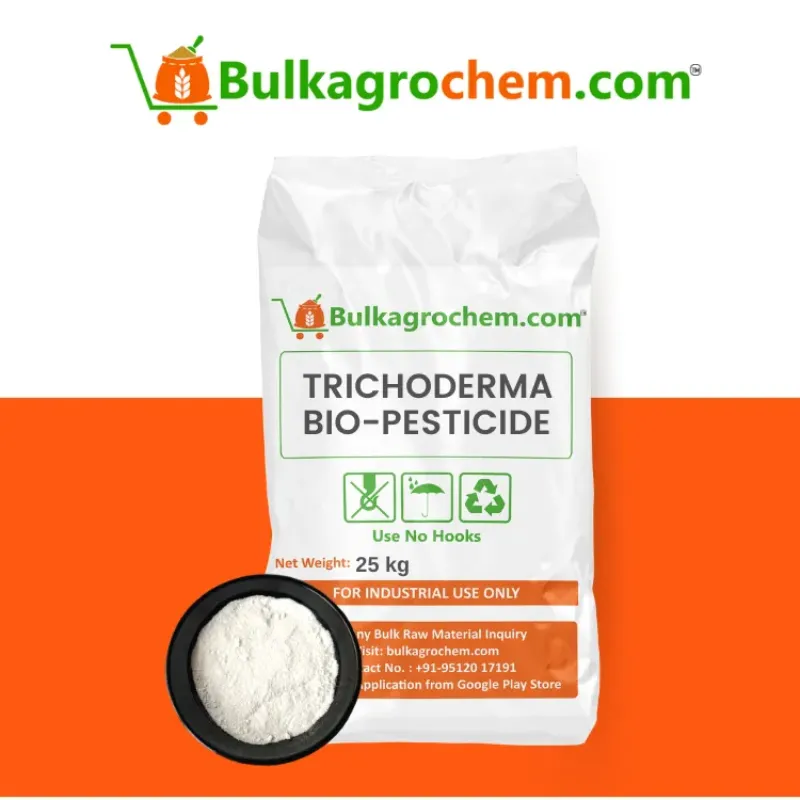
Trichoderma is a fungal biopesticide that not only suppresses the disease of root rot and wilt but also increases the health of the roots. The continued use of microbial biopesticides promotes resilience in the soil and decreases the rate of re-infection.
Key Benefits of Microbial Biopesticides in Crop Protection
Microbial Biological Pesticides are similar to how to provide specific nutritional support for an infant's different stages of growth; they also provide specific protection to the crop based on its developmental stage while promoting support for the whole agricultural system.
Microbial Biological Pesticides not only protect crops from insect damage and disease; they also provide long-term enhancement to the Soil's quality, protect Human Health and provide for Sustainable Agriculture.
Eco-Friendly and Residue-Free Farming
Microbial biopesticides have many advantages over traditional chemical pesticides when it comes to controlling insects without toxic chemical residues being left on plants or in the soil after harvest.
Some advantages include:
- Does not leave any toxic residue on fresh produce after harvest.
- Very low impact to the environment, specifically water bodies and ecosystems of soils.
- Suitable for use in growing organic crops and for exporting sensitive residue crops.
- Provides support for sustainable agriculture and agriculture that is climate smart.

Microbial biopesticides (also referred to as "bio pesticides") are broken down naturally and no longer pose a risk to consumers or agricultural fields in the next growing season. Growing fruit, vegetables, grains, and legumes that are subject to stringent pesticide residue regulations are generally safer to consume now than they have ever been using microbial biopesticides.
Improved Soil Health and Fertility
Biopesticides using microorganisms (microbial biopesticides) not only kill insects, but they also help to create healthy soils. Beneficial organisms increase biological activity in the soil, thus supporting plant growth by providing nutrients and building healthy roots.
The Ways in Which Microbial Biopesticides Improve Soil Health
- They increase the number of beneficial microorganisms in the soil.
- They help to naturally suppress soil pathogens.
- They provide more nutrients for plants and improve their ability to take up nutrients from the soil.
- They support root and soil structure.
Safety for Farmers and Beneficial Insects
In today's agricultural setting, safety is paramount; microbial biopesticides help consumers' safety by being a safe and non-toxic option for humans and other non-target organisms.
The benefits of using these products include:
- Less exposure risk for farmers/farm workers
- Safe for pollinators such as bees and butterflies
- Protects natural enemies and beneficial insects
- Minimal re-entry interval after application
Microbial biopesticides target specific pests, allowing beneficial insects to flourish whereas broad spectrum chemicals eliminate them. Creating this type of balance between pests and beneficials reduces potential for secondary pest problems, making the farm more biodiverse.
Common Types and Microbial Biopesticides Examples
Microbial biopesticides are similar in that they have different purposes for their nutritional value. There are several kinds of microbial biopesticides available for use and all of them target a particular type of pest or disease in agriculture.
The types of microbial biopesticides available are based upon the type of crop being treated, intensity of pest pressure, and the condition of the soil. This precise use of microbial biopesticides allows growers to prevent disease and protect their crops in a sustainable manner.
Bacillus thuringiensis (Bt)
Microbial biopesticides have gained great popularity due to their effectiveness as an alternative to traditional chemical pesticides throughout the world. One of the most popular and effective microbial biopesticides is Bacillus thuringiensis (Bt), a naturally occurring soil bacteria that is specifically effective against the larval stage of insects.
Some important attributes of Bt as a microbial biopesticide include the following:
- It produces concentrated protein toxins that disrupt the digestive system of specific types of insects.
- Bacterial toxins produced by Bt are specific to caterpillars and other larvae.
- Bt is not toxic to humans, wildlife, or beneficial insects.
- Bt does not leave any residues on food crops.
Many types of Bt-based biopesticides have been regularly used in vegetable production, cotton production, maize production, pea production, and fruit production to control many different insects; for example, cotton bollworms, two striped armyworms, and fruit borer moths.
Trichoderma Species
The genus of fungi known as Trichoderma contain fungal microorganisms used to create fungicides; therefore they don't have toxicity to humans nor animals like many synthetic fungicides. Trichoderma species are very efficient in controlling soil-borne plant pathogens.
Benefits of Trichoderma based biopesticides are as follows:
- Suppress root rots, wilts, and damping off diseases
- Compete with pathogenic fungi for both space and nutrients
- Stimulate root development leading to increased nutrient uptake
- Improve overall balance between beneficial and pathogenic soil microorganisms

Metarhizium and Other Entomopathogenic Fungi
Entomopathogenic fungi, including Metarhizium anisopliae, are powerful microbial biopesticides that provide an effective, environmentally friendly method of controlling insect pests based on the natural infection process.
Bio-pesticides work by:
- The fungal spores attach themselves to the insect's body.
- They penetrate through the insect's cuticle.
- They multiply and reproduce within the pest and ultimately cause death.
- They will continue to spread throughout the pest population via the same mechanism as their natural spread.
Entomopathogenic fungi are particularly effective against:
- Terrestrial insect pests (grubs, termites).
- Insects with mouthparts that suck (thrips, aphids).
- Insect pests found in stored crops and in-field crops.
Examples of biopesticides derived from entomopathogenic fungi have been successfully developed in the production of cereals, pulses, oilseeds, vegetables and plantation crops.
Microbial Biopesticides vs Chemical Pesticides
Too many different crop protection products have an influence on a farm's long-term health. There are key differences between the impact on the soil, other crops, and the surrounding ecosystem of microbial bio pesticides in comparison with chemical pesticides, as well as on the farm's productive capabilities into the future.
While microbial bio pesticides primarily aim for balance and precision, many chemical pesticides are designed to achieve maximum kill in the shortest time possible.
Environmental Impact Comparison
Microbials' environmental impacts are vastly lessened when compared to Chemical Pesticides. Microbial solutions are composed of naturally occurring microorganisms and will degrade safely within the environment.
The Key Differences are as Follows:
- Long-term soil and/or water contamination is not present.
- Minimal Effects to Non-target Organisms
- Significantly reduced risk of groundwater contamination
- Safe for Biodiversity and Soil Microorganisms

Resistance Management
Today, one of the most difficult aspects of today's agricultural industry is pest resistance. Many of the chemical pesticide products currently in use have only one mode of action, which eventually creates resistance in the pest population.
Microbial biopesticides help manage resistance by providing:
- Multiple biological modes of action
- Less selection pressure on pest populations
- Compatibility with other pest control products when used in rotation
- Providing support for Integrated Pest Management (IPM) programs.
Because microbial-based biopesticides attack pests biologically rather than chemically, there is a significantly lower potential for the development of resistance in pest populations. The use of microbially-based biopesticides represents a sustainable long-term option, as opposed to a short-term solution.
Long-Term Sustainability
Microbial biopesticides are superior to chemical pesticides when it comes to long-term sustainability, as they do not deplete soils or ecosystems, but rather enhance their health and function over time.
In addition, long-term products derived from microbial sources offer many benefits:
- Microbial life promotes healthy soils
- Strong stable yields are produced without chemicals; therefore no chemical use
- More supportable working environments for farmers
- Products that are compliant with both Sustainable Agriculture and Organic Certification Standards
Integrating Microbial Biopesticides Into Farming Practices
Microbial biopesticide must be integrated in a similar manner to how it is incorporated into a baby's diet - that is, thoughtful consideration should be given to the timing of application and soil type for optimal results.
When using these products at their best, they supplement natural processes of supporting crop growth while also protecting crops from pests.
Application Methods for Microbial Biopesticides
How and when a microbial biopesticide is applied significantly impacts the product's ability to perform successfully. As microbial biopesticides contain live microorganisms, it is critical that they are applied in a manner that enables successful growth and performance of the microorganisms within them.
Common applications include;
- Seed treatments- Used to protect seedling plants from soil-borne pests and diseases
- Soil applications- Improve the effectiveness of microbial biopesticides on the root zone and create better microbial balance within the soil
- Foliar sprays- Used to eliminate or control leaf-feeding insects and airborne pathogens
- Drip irrigation methods/ Fertigation- Allows for effective delivery of the biopesticide to the root zone of the plant at a controlled rate or amount.

Compatibility With IPM Programs
Microbial biopesticides naturally integrate into Integrated Pest Management (IPM) systems. Indeed, IPM combines biological, cultural and mechanical methods to manage pests sustainably.
Reasons why microbial biopesticides are compatible with IPM:
- They are compatible with the use of natural predators and parasitoids.
- They can be rotated with other biopesticides.
- They reduce the reliance on chemical pesticides.
- They have lower potential to create pest resistance.
Microbial biopesticides are used in many ways within IPM programs:
- As preventive treatments
- Rotationally with the use of botanical biopesticides
- Combined with crop rotation and resistant varieties.
The integration of microbial biopesticides with other methods of pest control creates a stronger level of pest control, while keeping ecological balance.
Storage and Handling Best Practices
Proper handling and storage of microbial biopesticides is important in order to ensure that they remain effective. This means that when using biopesticides containing living organisms, it is imperative that they are stored and handled in a way that preserves their efficacy.
Best Practices for Handling and Storing Microbial Biopesticides:
- Keep in a cool, dry environment that is not exposed to sunlight
- Protect from high temperature exposure
- Use only clean, chlorine-free water when diluting biopesticides
- Always follow labelled directions regarding shelf-life and dosages
Innovations and Research in Microbial Biopesticides
Agricultural science is currently advancing on a rapid scale as a result of the developments in food science that have improved and made them easier to digest and more nutritious.
The research on Microbial Pesticides will continue to enhance their effectiveness and stability and enable the development of products that are easy for farmers to use.
In addition, the research on Microbial Pesticides continues to support their role in Sustainable Agriculture.
Biotechnology Advances in Bio Pesticides
The development of Biopesticides using Biotechnology has led to large increases in the efficiency of Microbial-Based Biopesticide products. Improved ability to identify, select, and improve Beneficial Microorganisms.
Recent advancements in technology and Biotechnology have enabled researchers and practitioners to do the following:
- Identify and select highly pathogenic organisms
- Increase the effectiveness of other organisms against specific pests.
- Improve both consistency of performance in the field and ability of the Microbial Organisms to survive and multiply in a wide range of environmental conditions
Using advanced screening methods and deeper understanding of genetic makeup, we are now witnessing the development of a growing number of New Microbial-Based examples of Biopesticides that have the ability to work better and faster, and providing more consistency over multiple crop types (cereal crops, vegetable crops, fruit crops, and oilseed crops).
Improved Formulations and Shelf Life
Historically, bio-pesticides had a much shorter shelf life than chemical pesticides. Through research and development, new types of products that improve the ability of organisms to remain alive from the time they are produced until they are applied to crops are now available.
Modern innovations in the formulating and developing of bio-pesticides have created:
- Liquid and powder wettable formulations
- Microencapsulated products
- New carriers and stabilisers
- Increased tolerances to temperature and humidity compared to traditional products

Regulatory Support and Market Growth
Increasingly, due to the growing concerns about chemical pesticide residue and safety to the environment, many countries across the globe have begun to support the increased use of microbial biopesticides.
These trends are driving the growth of the market for microbial biopesticides, including:
- Approval processes being developed for quicker approvals of bio pesticides
- Government support programs for sustainable agriculture
- Increased consumer demand for food products that are free of chemical residues
- Increased growth and development of the organic and export agriculture sector.
Challenges and Practical Solutions in Using Microbial Biopesticides
As some are prepared through direct heat from cooking them to ease the digestibility of nutrients absorbed through the gut, so too do microbial biopesticides need to be applied correctly under favourable environmental conditions and use the best practice guidelines to achieve their maximum efficacy.
Although biopesticides can provide a safe and sustainable alternative for crop protection, in adopting these products, farmers encounter various hurdles therefore, for every identified challenge there exists a trialed field-testable method to reduce or eliminate these challenges.
Environmental Sensitivity
The environmental sensitivity of microbial biopesticide products is a common problem. A microbial biopesticide is a pest control product made with living organisms. Therefore, these living organisms will react differently depending on the temperature, sunlight and humidity conditions surrounding them.
The major environmental concerns regarding biopesticides are:
- Extreme temperatures and UV rays will reduce the active ingredient in biopesticides.
- Their inability to absorb moisture will limit the ability of biopesticides to survive in very dry conditions.
- Biopesticide application can be washed away with heavy rainfall.
Practical ways to overcome environmental challenges are:
- Apply biopesticides in the early morning or late afternoon hours.
- Do not apply biopesticides right before a heavy rain and do not apply biopesticides during the hottest part of the day.
- Always apply the correct dose of biopesticide and make sure to read and understand the label on the product.
- Choose a biopesticide designed for the climate in your farming area.
Farmer Awareness and Training
One of the major barriers to adopting microbial bio-pesticides is lack of knowledge concerning how to use them correctly. Farmers expect an instant visual kill effect from plant-based products. This is in stark contrast to the frequent and immediate kill effect provided by chemical pesticides.
Common difficulties faced by farmers include:
- Immediate kill effect of pest
- Incorrect mixing or applying methods
- Unawareness of pest lifecycle
Solutions to these difficulties:
- Farmer Education/Extension Training Program
- Demonstration Plots Highlighting Long-Term Advantages of Using Microbial Bio-Pesticides
- Clear Definition and Guidelines of the correct use of microbial bio-pesticides and their proper packaging, label and storage
- Integration with Advisory and IPM Services
Farmers experience much higher rates of success when they fully understand how to use microbial bio-pesticides and can see real-time results of their use.
Combining With Other Inputs
The majority of farmers now use many different items, including fertilizers, micronutrients, and many crop protection products. Microbial biopesticides can present compatibility problems when mixed inappropriately.
Possible Problems:
- Incompatibility with chemical pesticides
- Microbial activity lowered by chlorine or elevated salt levels
- Improper tank-mix combinations
Best Practice and Solution:
- Do not mix microbial biopesticides with potent chemicals
- Use non-chlorinated water for dilution
- Ensure your spray tank is free of contaminating materials
- Observe suggested intervals between applications

FAQs
Q1. What is a microbial biopesticide?
A microbial biopesticide is a type of bio pesticide made from beneficial microorganisms that control agricultural pests and diseases naturally.
Q2. Are microbial biopesticides safe for crops and soil?
Yes, microbial biopesticides are crop-safe and improve soil health without harming beneficial soil microbes.
Q3. What are common microbial biopesticides examples?
Common microbial biopesticides examples include Bacillus thuringiensis, Trichoderma species, and Metarhizium anisopliae.
Q4. Can microbial biopesticides replace chemical pesticides?
They can significantly reduce chemical pesticide use when integrated properly through IPM practices.
Q5. Are bio pesticides suitable for organic farming?
Yes, most bio pesticides are approved for organic farming and sustainable agriculture systems.
Conclusion: Embracing Microbial Biopesticides for Sustainable Agriculture
Microbial-based pesticide technology is changing agriculture. These eco-friendly technologies are destroying pests and pathogens attacking crops while also preserving beneficial soil organisms, insect populations, and ecosystem balance by controlling the same pests and pathogens that threaten crop production. Because of their targeted nature, lack of residual impacts, and compatibility with organic farming practices, microbial pesticides can perform as a dependable crop protection method for today's growers.
Microbial pesticides such as Bacillus thuringiensis, Trichoderma species or Metarhizium anisopliae may be part of a new trend toward reducing the reliance on chemical pesticides as the modern farmer copes with increasing levels of soil degradation, pest resistance and stringent environmental regulations regarding residual pesticide levels in our food. Microbial biopesticides will provide growers with a long-term sustainable method to manage pests and pathogens attacking their crops while also increasing soil fertility and biodiversity.
Farmers that adopt microbial biopesticides can produce safer food and healthy crops more sustainably, while protecting the environment for future generations. The time has come for farmers to consider using microbial biopesticides as a standard practice in their day-to-day farming operations.