

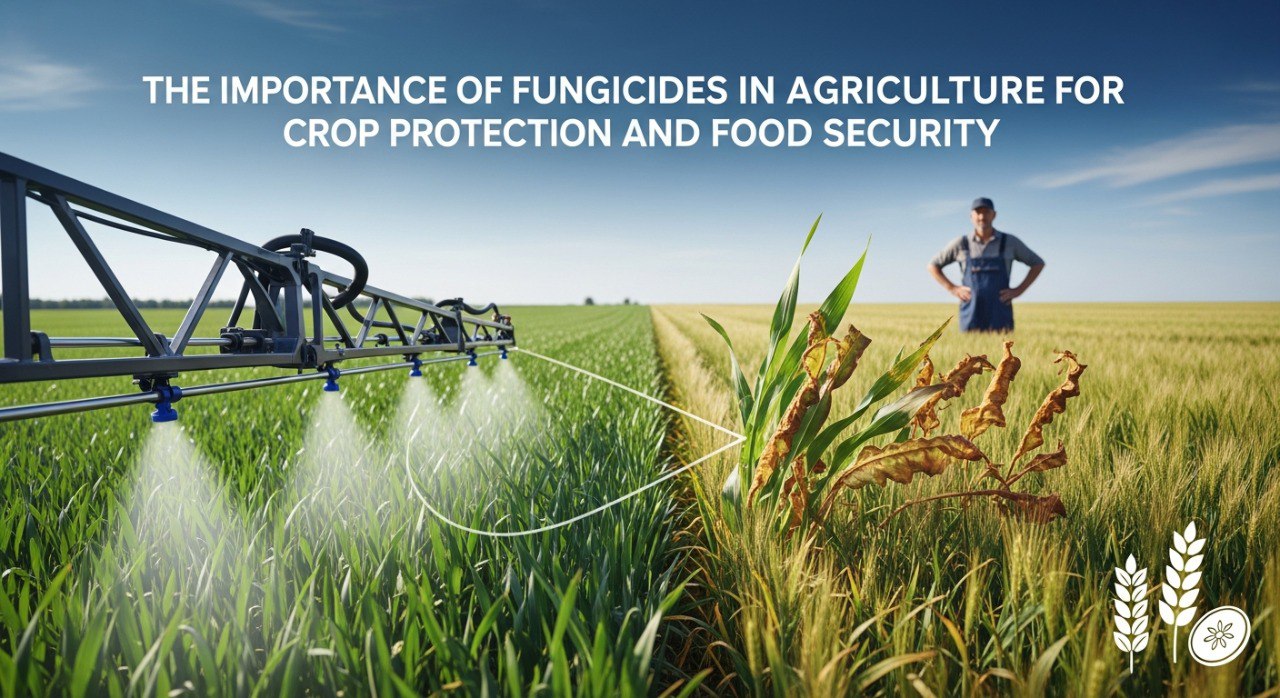
Fungicides are critical components of contemporary farming practices. They provide growers with effective protection against crops infested with harmful fungi that not only lower yields but also decrease the nutritional value of harvested products.
Fungicides also provide growers with protection against crop diseases that occur at any stage of the crop lifecycle, including seeds, seedlings, vegetative growth stages, fruit production, and finally post-harvesting.
In addition to providing protection for crops from crop diseases caused by fungi, fungicides provide protection during the pre-harvest, post-harvest and during storage stages. Fungicides provide an effective means for growers to keep their crops growing and producing by preventing and controlling the spread of disease-causing fungi.
Fungicides provide increased yields, improved food safety, decreased post-harvesting losses, and therefore a major factor in food security. Farmers are able to produce enough and safe food for the growing population while preserving agricultural sustainability.
Understanding Fungicides: What They Are and How They Work
Fungicides have been defined as agricultural substances used to control the growth of fungi on crops. The effectiveness of fungicides in maintaining healthy crops and preventing damage caused by fungal pathogens is the reason for their agricultural importance.
Fungicides also play a key role in maintaining consistent farm production over time and providing access to food for people around the world.
What Are Fungicides in Agriculture
Fungicides are important to modern agriculture in protecting seeds and plants from fungal disease.
Alternative Uses for Fungicides include
- Plant Growth Improvement
- All Levels and Stages of Crop
The increasing need for fungicides is attributed to the substantial reduction in yield and revenues associated with fungal pathogens.
How Fungicides Control Fungal Diseases
Fungicides work to interrupt the reproduction cycle of pathogenic fungi.
Fungicides inhibit pathogenic fungi in the following ways:
- Inhibit the germination of fungal spores
- Prevent the spread of currently infected plants
- Protect the newly developed plant growth

Understanding the Role of Fungi in Crop Diseases
Fungal pathogens present a serious threat to agriculture (agriculture, horticulture, and forests), with many crop diseases caused by various species of fungi.
- Fungal diseases are able to proliferate in warm, humid conditions at a very rapid rate.
- Fungi can cause damage to all parts of the plant, including leaves, roots and fruit.
- When left uncontrolled, fungal growth can produce devastating yield losses.
A complete understanding of the function and nature of fungi will assist farmers in properly applying fungicides as required, therefore, maximizing the potential benefits of fungicide application.
The Critical Role of Fungicides in Modern Agriculture
The critical role of fungicides in modern agriculture has helped protect crops from diseases caused by water mold (i.e., Phytophthora, Aspergillums) since these pathogens can severely diminish the amount of food received and/or the economy of the feeding provider.
Fungal diseases tend to spread quickly in certain conditions (e.g., high humidity) and generally have a negative impact on food yield.
Therefore, the management of fungi helps provide a consistent and stable agricultural production system.
Crop Protection Against Fungal Pathogens
Fungi play an important part in agriculture with several types of fungi acting as aggressive disease-causing organisms.
Many fungicides work to protect against fungal pathogens by:
- Preventing the establishment of fungal infections on leaves, stems, roots, and fruits;
- Controlling the dispersal of spores in warm, humid weather conditions;
- Assuring that crops are protected from invasive pathogens during vulnerable crop development stages.
If there were no use of fungicides, then fungal pathogens would proliferate quickly resulting in extensive crop losses; therefore, fungicides play an essential role in protecting crops.
Disease Management in Intensive Farming Systems
An intensive agricultural system has many plants growing close together causing an increase in disease pressure.
Fungicides help manage diseases in these systems by:
- Managing fungal diseases which are prone to become recurring.
- Providing valuable support to IPM (integrated pest and disease management) strategies.
- Reducing reliance on the need to repeatedly replace a crop each time a disease becomes problematic.

Yield Improvement and Plant Health
Fungicides are not only helpful for disease management, they also provide additional benefits for plant health and yield assurance.
Some of the primary benefits are:
- Increased plant health due to increased nutrient absorption
- Lowering the amount of stress that a plant experiences from fungal attacks
- Increasing the quantity and quality of crop production
By managing the detrimental effects of fungi, fungicides promote plant strength and increase productivity, which leads to higher yields and sustainable agricultural practices long-term.
Preventing Crop Losses: Real-World Impact of Fungicide Use
Worldwide, one of the primary causes of crop loss is caused by plant pathogenic fungi. The use of fungicides is very useful because they protect against damaging effects of fungi causing crop destruction.
Protecting crops will result in enhanced crop yields and decreased risk of mass losses in agriculture.
Major Crop Losses Caused by Fungal Diseases
Fungal activity is one of the many causes of crop damage in warm, humid weather.
The main effects of fungi on crops include:
- Leaf blights - Reduce the plant's ability to photosynthesize.
- Root and stems are weakened, exposing the plant.
- Fruits and grain have infections, reducing the market quality of these products.
How Fungicides Reduce Crop Damage
Fungicides are essential to crop production because they prevent the growth and proliferation of fungi.
Fungicides do this by:
- Stunting the germination of fungal spores
- Limiting the transmission of diseases within fields
- Protecting the growth of newly-formed vegetation during essential periods of plant development
When used correctly, fungicides greatly reduce the chances for crop damage and help to ensure healthy development of crops.

Impact on Farmers’ Income and Stability
Fungicides directly affect how much money farmers earn, and subsequently, their ability to manage their farms.
Some of the benefits to farmers include:
- Less production loss from diseases; therefore greater yields.
- Improved quality of crop; thus more income through selling those crops as greater market valued items.
- More predictable income; thus, less risk of losing money due to not having enough income to pay expenses.
In summary, by utilizing fungicides to control fungal disease, farmers can maintain a consistent level of production.As a result, fungicides continue to be an important part of the agricultural system, with many agronomic benefits.
The Economic Benefits of Using Fungicides Effectively
Although fungicides are used primarily for protecting crops, they represent an important economic benefit to farmers with respect to farm profitability and economic stability. Effective management of the negative impact associated with fungi in an agricultural system provides farmers with a means to minimize crop losses, achieve greater yields and grow crops of adequate quality that can be sold.
Cost–Benefit Advantage of Fungicide Use
While fungicides may incur some Initial Costs, the benefits of purchasing fungicides can often outweigh the costs.
Benefits of fungicide use include:
- Decreased possibility of crop loss due to fungal infections.
- An overall reduction in replanting or retreating costs.
- Uniformity or steadiness of yield.

Improved Market Quality and Prices
Fungi have a detrimental impact on the overall quality of the crop which ultimately affects the market value of those crops.
Fungicides aid the farmer by helping to:
- Create more clean, disease-free crops
- Enhance the visual quality, shelf-life, and overall quality of the finished grain
- Accomplish the requirements for export and food safety
The sale price for healthy crops protected with fungicides is generally higher than that of the average crop, therefore giving farmers higher income potential.
Supporting Rural and National Economies
The proper application of fungicides can promote overall growth for most economies.
Some of the impacts include:
- Consistent income for Farms and their Owners
- Higher Productivity from Agriculture
- Greater Food Security through Improved Food Supply Chains
By controlling fungal pathogens and protecting crops from damage, fungicides increase the viability of rural farmers' livelihoods and the overall strength of a nation's food production system.
Sustainable Approaches: Safe and Responsible Application of Fungicides
Managing crop diseases with Fungicides is important for sustainable agriculture; while we want to eliminate crop diseases (less harmful to the human population, the environment, and the ecosystem), ecosystem balance must also be a consideration when using Fungicides. It is critical to have Fungicides that are both effective at eliminating diseases and producing sustainable agricultural products (environmentally safe).
Sustainable farming practices will utilize Fungicides only when necessary and apply them responsibly to protect both human health and environment (soil health and ecological sustainability).
Integrated Pest Management (IPM) and Fungicides
Fungicides are used as part of Integrated Pest Management (IPM) in sustainable agricultural systems.
Among the key IPM practices are:
- Disease monitoring prior to fungicide application
- Fungicide applications only when warranted
- An integration of cultural (agronomic), biological (i.e. microbes, predators) and chemical control methods
This IPM strategy minimizes the use of fungicides while controlling fungal pathogens in the crop disease cycle effectively.
Reducing Environmental Impact
Also, fungicides play an important role in protecting the environment by reducing their effects on soils, waters, and beneficial organisms.
Fungicide Use Responsibly
- Using less toxic fungicides to reduce their environmental toxicity to a minimum.
- Preventing runoff from fungicides into waterways.
- Implementing a fungicide rotation program to help prevent the development of resistance in pathogens.

Farmer Safety and Best Practices
Proper use of fungicides makes it possible to continue agricultural production sustainably.
To ensure safe use of fungicides, you should:
- Wear protective clothing during the application of fungicides.
- Adhere strictly to the instructions on the fungicide label regarding application methods and recommended rates.
- Store and dispose of fungicides according to local regulations and guidelines.
Farmers who respect fungicides as an important part of their agriculture activity and who have a basic understanding of how fungi and fungicides interact, can effectively and safely use fungicides in their farming operations.
Innovations and the Future of Disease Control in Crops
As farming has changed, so have the ways in which farmers manage plant diseases. While fungicides still play an important role, there is now an increased focus on developing safer and smarter methods of controlling the disease-causing effects of fungi in agriculture, along with a greater emphasis on sustainable agricultural practices.
Newer fungicides are being designed to have greater precision (i.e., non-target effects) and to be more environmentally friendly through advancements in technology.
Next-Generation Fungicides
The next generation of fungicides has been also developed to deliver a more powerful and effective product when used in smaller amounts than previous generations.
Important attributes of next-generation fungicides include:
- Specific to target fungal organisms
- Less likelihood of developing resistance
- More extended periods of control with less frequent applications
These advances will improve and protect the value of fungicides for farmers by increasing overall disease control and decreasing the impact on both environmental and cost burdens.
Biological and Eco-Friendly Fungicides
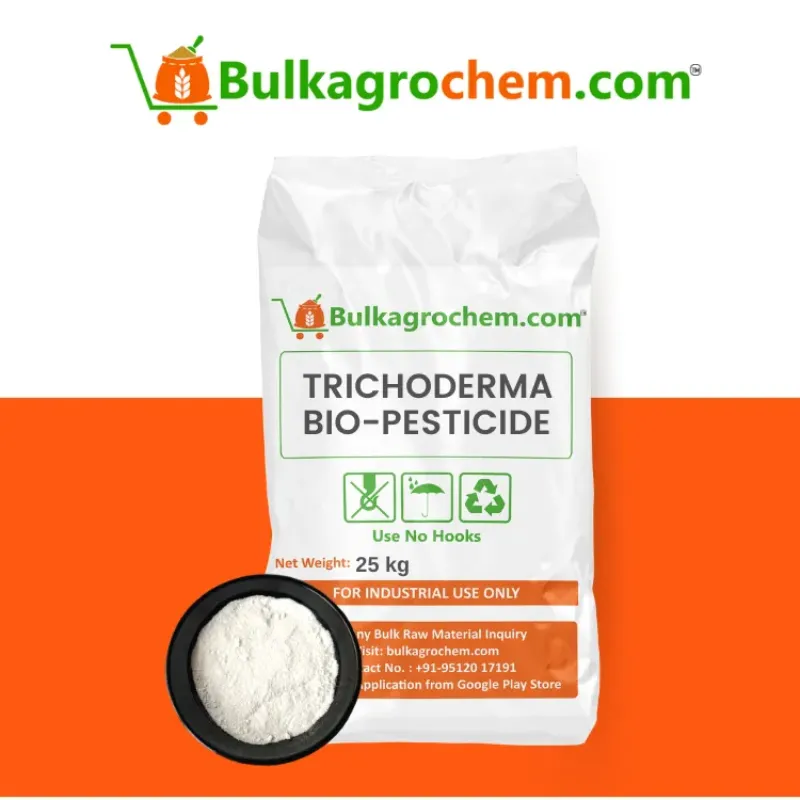
Fungicides produced from biological processes and those without synthetic components are rapidly becoming popular as ways to supplement or replace chemical fungicides.
Benefits:
- They originate from natural sources such as microbes and plant-derived materials.
- They do not negatively affect soil, water and beneficial organisms.
- They can be used for organic and sustainable agricultural purposes.

Technology and Plant Pathology Advances
Technological advancements are helping the development and application of fungicides.
The greatest advancements to date are through:
- Using weather and Artificial Intelligence (AI) to forecast crop diseases
- Using precision spray applications of fungicides to limit the excessive use of fungicides
- Using a greater understanding and knowledge of fungi life cycles
These new developments create an increase in the efficiency of fungicides and improve their long-term value as a means to protect crops.
FAQs
Q1. Why is the importance of fungicides high in agriculture?
The importance of fungicides is high because they protect crops from fungal diseases that can severely reduce yield and crop quality.
Q2. What role do fungi play in crop damage?
The role of fungi includes causing diseases like blights, rots, and mildews that weaken plants and lead to major crop losses.
Q3. Are fungicides necessary for food security?
Yes, fungicides help ensure stable crop production, reduce losses, and support consistent food supply for growing populations.
Q4. Can agriculture function without fungicides?
Without fungicides, crop losses from fungal diseases would increase significantly, making large-scale food production difficult.
Q5. Are fungicides safe when used properly?
Yes, fungicides are safe when used as recommended, following label instructions and proper safety guidelines.
Conclusion: Recognizing the Importance of Fungicides for a Secure Food Future
Fungicides serve a critical purpose in agriculture: they protect plants from the devastation caused by fungal infections. Fungicides protect crops from the adverse effects of fungal disease by preserving crop quality, maintaining overall plant health, reducing crop damage to the maximum extent possible, and providing growers with reliable quality food across their production systems. As we are all aware, the increasing effects of climate change, growth in population, and increased pressure from pathogens means that the use of fungicides will continue to be needed as part of the management of all of our agricultural systems.
In addition to protecting our crops from fungal disease, fungicides are an essential part of providing food security and enhancing the livelihoods of agricultural producers. The use of fungicides has resulted in improved yields, increased quality of crops on the market, and enhanced stability for rural farming communities. This increased stability results in stronger rural economies and increased support for national food systems, thus making fungicides a major factor in sustaining farm productivity for our farmers.
The continued use of fungicides in agriculture will require the mesh of sustainable use and responsible use of fungicides with other integrated management strategies designed to decrease the impact of fungal pathogens on plant health. Thus, a responsible approach to the use of fungicide will allow producers to continue utilizing fungicide as a mechanism of control on the growth of fungi and continue supporting the protection of the environment. Thus, a commitment to responsible uses of fungicide today is vital to the success of all agricultural systems for generations to come.