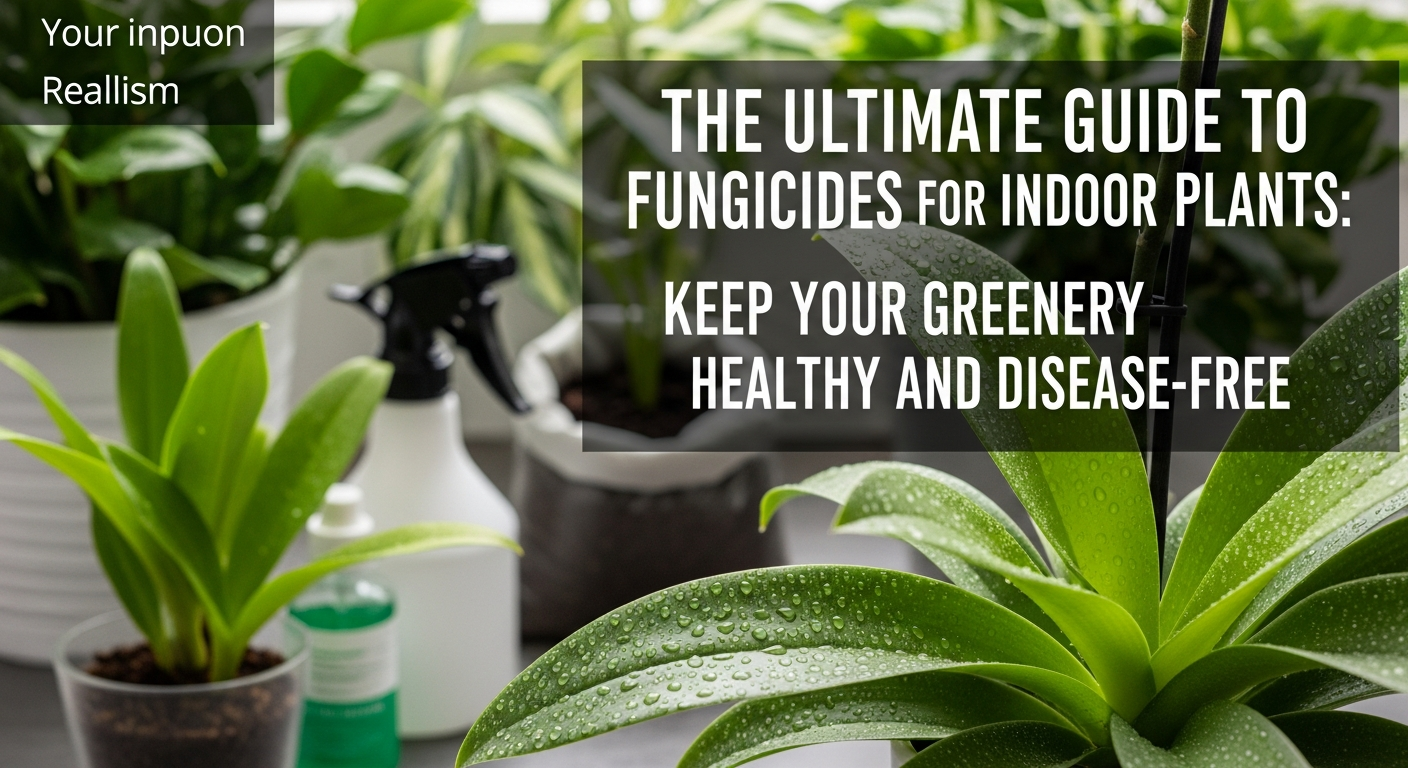
House plants are a crucial aspect of today’s agriculture and home gardened environment, improving nitrogen levels, providing physical beauty and promoting plant diversity. However, indoor plants are at risk for fungal disease caused by lack of oxygen, high humidity, and excess watering when these are present in a closed system.
Fungi control is essential to protect indoor plants by preventing the spread of disease through leaves/roots and soil. Fungi control agents, often referred to as fungicides, are specially formulated chemical products (usually in liquid form) that can be utilized to treat and control common fungal issues associated with indoor plants.
By following label directions for use, fungi control agents will limit the propagation of fungal infections, reinforce plant defenses, and support uninterrupted growth all while preserving the healthy indoor environment created by indoor plants. By continuing to keep healthy foliage, level of moisture, and extended shelf-life of plants, using fungicides allows for the maximization of growing space and continued growth of plants.
Organic solutions such as neem oil; formulating specifically formulated fungicides with the highest degree of efficacy, utilizing both commercial production research and a careful analysis; and use of an integrated pest management approach. By utilizing safe, effective fungicides for the indoor environment, you can maintain a healthy, diverse, productive indoor environment that will continue to reflect sustainable agricultural practices in the hole
Understanding Fungal Diseases in Indoor Plants
One of the most significant threats to indoor plants is fungal diseases. Houseplants grow in a more controlled environment compared to outdoor crops; however, these environments are often not ideal. Houseplants' environmental factors—namely moisture, temperature, and airflow—can become unbalanced quickly. This is where fungi can flourish, spread rapidly, and eventually overwhelm the plant unless the issue is identified early on.
The impact of indoor fungal infections includes the gradual weakening of the affected plant as it develops infected leaves, stems, roots, and even soil. In most cases, immediate intervention (often with the assistance of fungicides) is required to prevent the spread of the disease—and to prevent the affected plant from suffering reduced growth, losing its leaves or rotting its roots to the point where it dies as a result of disease progression. An understanding of both the various kinds of indoor fungal diseases, their early warning signs, and the environmental conditions that can cause them to flourish indoors will allow for more effective disease management strategies.
Common Fungal Diseases Affecting Houseplants
There are many fungal diseases that can affect indoor house plants. Each disease attacks specific parts of a plant and requires a specific treatment method to control it.
Major fungal diseases affecting houseplants include:
1. Powdery mildew - A white powdery substance that appears on the stems and leaves of plants.
2. Root rot - Caused by poor drainage and the accumulation of excess water in the soil over time.
3. Leaf spot - Areas of leaf discoloration that look like brown, black, or yellow spots on the foliage of a plant.
4. Botrytis (gray mold) - A fungus that causes fuzzy grey growth on flowers and leaves of plants.
5. Fungus gnats and soil mound - A result of keeping the soil very moist for long periods of time.
Fungi can be spread through spores that are airborne, in water, or through tools used to manipulate soil. Using a proper fungicide for houseplants will stop the growth of fungi and prevent future infections.

Early Symptoms of Plant Fungus to Watch For
Early diagnosis is essential in indoor agricultural systems because of the rapid spread of plant fungi in a closed environment. Once detected early, the potential for heavy chemical applications can be minimized and it increases the likelihood of recovery from the disease.
Some of the common signs of disease to look for are:
- Discoloration of the leaves (yellowing or browning)
- Abnormal discolorations (white patches, grey patches, or black patches) on the leaves
- An increased number of soft stems holding the plants up near the ground
- The plant wilts even after being watered regularly
- The soil has an awful odor (smells rotten), which usually indicates root rot.
At this stage of the infection, fungal treatments with mild strength are usually adequate to control the infection without causing harm to the plant. Crying out for help with these early signs can often lead to more extensive harm and, in some cases, require a stronger treatment to cure the plant or otherwise result in its removal.
Why Indoor Conditions Encourage Fungal Problems
Indoor environments often create the perfect conditions for fungal growth, where the absence of natural airflow, sunlight intensity and evaporative cooling as would happen in agricultural operations outdoors, means all plants grown indoors are at risk of disease.
When it comes to fungi, the majority of growing conditions associated with indoor plants include:
- High Humidity due to Poor Ventilation.
- Watering practice resulting in a Very Wet Soil.
- Lighting or Low Light, resulting in a Less Competent Plant Immunity.
- Crowded Plant Spaces restrict the ability of plants to receive adequate airflow.
- Unsterilized POTS AND TOOLS contribute to fungal spores being spread throughout the growing environment.
Because these growing factors lead to a greater likelihood of plant disease developing, fungicides for indoor plants become an essential component to maintaining integrated plant care, and when combined with good watering practices, spacing of indoor plants and hygiene, fungicides provide protection to the overall environment of the indoor grower.

Why You Need Fungicides for Indoor Plants
While indoor plant growth occurs within a controlled growth system; it is still considered part of the current methods used in modern Agriculture and Horticulture. With restricted airflow, high moisture levels due to high quantity of irrigation and optimal constant temperature, Fungal Pathogens have the right environment for their Life Cycle; therefore it is necessary to use Fungicides in an Indoor Growing Environment to help maximize Plant Health and provide Disease Prevention and allow for continued Growth over time.
Unlike Outdoor Crops that naturally receive Sunlight and Wind and Soil Microorganisms for their Sustainability, Indoor Plants need human management to allow them to reach their Full Potential. When Indoor Plants are infected with Fungi, the Infection can spread very quickly between Plants; therefore when Indoor Plant Fungicides are used, this allows you to protect your Leaves, Roots, Soil, and maintain a productive and clean Indoor Growing Environment.
Importance of Fungicides in Indoor Gardening
Fungicides are essential items for growing indoor plants because they protect plants from fungal infections that can damage them and lead to shorter plant life.
Here are a few reasons why fungicides are necessary when growing indoors:
- There is often a build-up of moisture in indoor growing conditions that creates the ideal environment for the development of fungus.
- Fungal spores can easily travel throughout your growing area through the air, water, or via shared tools in your growing area.
- When plants are infected with fungi at a young age, it is incredibly difficult to detect unless they are treated promptly.
Using fungicides properly can help develop plant health in several ways:
1. Promote healthy root systems.
2. Promote healthy leaves.
3. Help create a balanced environment for soil microbes.
When growers incorporate fungicide use into their care of indoor plants, they can provide the same plant health consistency that commercial greenhouses provide through regular management of diseases.
How Fungicides Prevent the Spread of Disease
Fungi are killed when a fungicide prevents their spores from germinating or reproducing and then spreading throughout the soil and onto the plant surfaces. Stopping these spores from germinating or reproducing is very impactful because fungal infections may increase in quantity extremely quickly in an indoor enclosed area.
The methods employed by fungicides in the control of disease are:
- Prevent spore germination on the plant leaves and stems
- Go inside the plant and kill internal fungi before they can reproduce
- Prevent the establishment of root associated fungal infections such as root rot or blight.

Benefits of Using a Fungicide for Houseplants
A carefully selected fungicide will not only help treat disease in houseplants, but it can also enhance the overall health and longevity of the plant.
Benefits include:
- Faster Healing Time After Fungal Infection
- Improved Leaf Quality and Plant Vigor
- Lower Replacement and Loss of Plants
- Healthy Indoor Growing Environment
Long-Term Benefits:
- Prevention of Recurrent Fungal Infections
- Protection of Nearby Plants
- Sustainability of Indoor Plant Care
Using fungicides responsibly can help maximize indoor grower success by ensuring that their efforts are in line with industry best practices for nurseries and controlled environment agriculture
Types of Fungicides for Indoor Plants: Organic vs. Chemical Options
Indoor plants, like their outdoor counterparts, are frequently subjected to all forms of crop diseases. An abundance of moisture in the air, poor airflow, and excessive watering can often create an ideal environment for fungus to thrive. Therefore, a good indoor farmer must consider what type of fungicide will work best for his or her plants as well as create a safe and healthy indoor farming environment.
Indoor farmers use three different types of fungicides to control houseplant illnesses: organic, synthetic chemical and eco-friendly. Organic and chemical fungicides act to kill or prevent plant disease while eco-friendly fungicides help to prevent fungus from establishing growth by inhibiting its ability to reproduce, grow, or spread. Understanding these three types of fungicides will help indoor farmers make educated decisions when selecting an appropriate fungicide for their home. By understanding how each type differs in terms of their effectiveness and environmental safety, indoor farmers can make informed choices about what fungicide is best for their specific needs.
Organic Fungicides and Natural Remedies
Fungicides produced from natural sources, referred to as organic fungicides, have a low toxicity level and are considered environmentally safe. Therefore, they are more widely used for caring for indoor plants.
1. Characteristics of organic fungicides:
- Organic fungicides are created using plant extracts, minerals, or beneficial microbes.
- They are safe to use indoors on a regular basis.
- They can be used on indoor edible plants and sensitive types of foliage.
2. Commonly available organic fungicides for indoor gardening include:
- Neem oil (for controlling powdery mildew, leaf spot, and rust).
- Sulfur-based fungicides (to use against mildew).
- Baking soda solutions (to gently suppress fungi).
- Bio-fungicides (contain either beneficial bacteria or fungi).
3. Advantages of using organic fungicides:
- There is little danger of exposure or harm for pets or humans.
- There is very little chance of the built-up residue from chemicals over time.
- Supports sustainable agricultural practices when used indoors.
4. Disadvantages to using organic fungicides:
- Environmental and Health Benefits are very slow to produce results compared to chemical fungicides.
- Organic fungicides will need to be applied multiple times to treat a serious infection.
Chemical Fungicides and Their Safety Guidelines
Synthetic fungicides are designed to be fast-acting and effective in controlling moderate to severe fungus infections. They should only be used when the organic treatment has failed.
There are two basic types of synthetic fungicides produced for houseplants.
1. Contact Fungicides: Fungicides that penetrate into the plant foliage.
2. Systemic Fungicides: Fungicides that penetrate into the soil surrounding the root systems of plants.
Advantages include:
1. Quick and dependable control of diseases.
2. Able to combat serious infections such as root rot and advanced leaf spot.
3. Provide long-lasting protection.
When applying these products indoors, safety must be a primary consideration.
Follow the manufacturer's instructions on dosage carefully.
- Increase air flow in the area where the product is being applied.
- Keep pets and children away from the treated area.
- Never use more than the recommended dosage;
- excessive use creates potential for resistance to create stronger resistance to the chemical.
The consequence of incorrect usage of this product are:
1. Phytotoxicity (plant damage).
2. Accumulation of residues.
3. Decreased quality of air in the room or area where applied
Eco-Friendly Choices for Sensitive Indoor Spaces
Environmentally-Friendly Fungicides Combine Organic and Chemical Solutions
Protect against disease effectively while remaining safe to use indoors with eco-friendly fungicides.
Eco-friendly Fungicides Offer:
- Formulations that have a low level of toxicity;
- little to no odor and very little residue on plant surfaces;
- compatibility with integrated plant care systems;
Suitable for:
- Homes with children and/or pets;
- Offices, greenhouses and vertical farms;
- Preventative Long Term Disease Management!
Examples of Eco-Friendly Fungicides:
- Copper Fungicides (used in low concentrations);
- Hydrogen Peroxide based products;
- Microbial fungicides that have been approved for indoor use.

How to Apply Fungicides Safely and Effectively Indoors
Excessive caution must be taken when applying fungicides indoors compared to the open field because of the presence of people and pets who share their living environment with indoor plants. In addition, proper use of fungicides will maximize the control of plant diseases while creating a safe and healthy indoor growing environment. When applied correctly, fungicides will effectively protect plant foliage, root systems, and soils from fungal diseases while not negatively impacting the viability of the plant, nor the quality of the indoor air.
The application of fungicides indoors is dependent upon the precision, correct timing, and safety of an application. Using the proper product, adhering to label instructions, and applying the proper dosage of a given product will help to prevent plant stress, chemical accumulation, and resistance build-up. The responsible application of these products, whether to ornamental house plants or to a small-scale agricultural growing operation, will result in much healthier plants and longer-lasting plant disease control.
Step-by-Step Guide to Using Fungicides on Houseplants
There is a methodical approach to using a fungicide for houseplants to maximize both the effectiveness of the fungicide product and the safety of the plant:
1. Proper Diagnosis of the Fungal Issue
Be sure to properly identify the issue(s) before using any fungicides by looking carefully at the general symptoms associated with the fungal disease (like root rot).
2. Select the Correct Fungicide for Indoor Plants
Select a fungicide that has been designed for indoor plant usage which can include organic and/or low toxicity fungicides if you have your plants within a confined area.
3. Prepare Your Plant for Fungicide Application
Prepare your plant for application by removal of heavily infested leaves, cleaning all surface debris from your soil, and gently wiping dust off the entire leaf surface to help maximize the coverage of the fungicide.
4. Observe the Instructions on the Fungicide Label
Always combine fungicides with the appropriate recommended dosage listed on the label. Too much or too little fungicide will damage the leaves and/or roots of your plant respectively. So make sure you follow directions!
5. Apply at the Most Appropriate Time of Day
It is a good idea to apply your fungicide in the morning so that it will allow your plant enough time to dry out before dusk, which will help to prevent the reinfection of your houseplant(s) by reducing moisture build-up allowing fungus to spread.
Application Tips for Sprays, Soil Treatments & Wipes
There are many different methods to apply fungicide to different indoor plant issues. Applying the correct method can lead to greater control of the disease and decreased exposure to chemicals.
1. Application Method: Spray
- This method works best with most types of leaf-related fungal issues, such as powdery mildew & leaf spot.
- When spraying, make sure to cover both the top & bottom of each leaf.
- Be sure to prevent dripping/run-off from getting on your furniture or floor.
2. Application Method: Soil Treatment / Drenching
- This method treats root rot and soil-related fungal infections.
- This should be applied directly onto the surface of the soil surrounding the roots of plants.
- Make sure that there is proper drainage to prevent water from pooling around the roots.
3. Application Method: Wiping Leaves
- This method is best for mild types of fungal infections.
- Fungicides can be applied using a soft cotton cloth or a sponge.
- Using this method limits the chance of exposure to airborne chemicals and pollutants indoors.

Protecting Pets, Children & Indoor Air Quality
The safe use of fungicides inside buildings should be the highest consideration when using fungicides inside homes that have children and/or pets.
1. Select a fungicide that has low toxicity.
Try to use an organic or bio-fungicide for indoor application on plants that have been endorsed for this purpose. This will help you reduce the risks of exposure to toxic chemicals.
2. Ventilate the area while applying the fungicide.
Open the windows or turn on the exhaust fan to provide for adequate air circulation during as well as after application of the fungicide.
3. Maintain a restricted area after applying
the fungicide to keep all pets and children away from the plants until all surfaces, soil and plant material is dry.
4. Maintain safe storage of fungicides.
Keep the product in a closed container and out of reach of children and pets as well as food products.
5. Limit the number of times fungicides are used.
Using too much product over time creates excess residue on the plant and may cause harm to the plant and to the indoor atmosphere as well.
The Best Fungicides for Common Indoor Plant Problems
Indoor plants can be found cultivated in homes, greenhouses, or other climates protected from the outside, as these types of environments generally have poor air circulation, high humidity levels and warm/consistent temperatures. Fungicides should only be selected according to their application to specific fungal infections so that no adverse effect is placed on the plant or the environment indoors (i.e., ecosystem function). Plant care practitioners need to be aware of the types of fungal problems in their growing systems and of the appropriate treatments for each. It will also increase the chance of continued growth/health for years.
Top-Rated Fungicides for Indoor Plants (2024).
The highest-rated fungicides for use on indoor plants provide efficacy, while being gentle enough to be safe for use indoors. They are used regularly by indoor agricultural producers, nurseries and home growers, to effectively, yet safely, manage reoccurring fungal problems.
The many features of the top-rated indoor fungicide products are as follows:
- Wide-range protection from the most common indoor fungal diseases;
- Formulations designed for indoor use have low or no odor, and leave virtually no residue on the plants.
- Can be sprayed on foliage or applied directly to the soil.
The most widely used indoor fungicides include:
- Neem oil fungicides, used for preventive measures;
- Copper fungicides are effective in controlling surface fungal growth;
- Bio-fungicides contain beneficial bacteria and fungi.
These fungicides protect the health of the plant's foliage, and help to mitigate the spread of disease. They also support the sustainable development of indoor plant management.
Effective Fungicide Solutions for Powdery Mildew, Root Rot & Leaf Spot
The effects of fungal diseases on plants vary considerably, making it essential to use the correct fungicide when treating houseplants.
1. The Appearance of Powdery Mildew
- The fungus appears as powdery white or gray patches on the leaves of affected plants.
- Sulfur-based fungicides and neem oil are the most effective means to combat this problem.
- To increase air circulation for treatment effectiveness, plants must be kept well-ventilated.
2. Root Rot
- Root Rot is caused by too much or too little water and is primarily caused by insufficient drainage systems.
- Root Rot is generally treated with systemic fungicides and soil-borne bio-fungicides.
- To treat Root Rot, it is important to remove any decayed or infected roots and to have good soil conditions.
3. Leaf Spot
- Leaf spot is typically characterized by dark or yellow-brown spots on the leaves.
- Copper fungicides and contact fungicides can be used effectively for treatment.
- To stop the spread of Leaf Spot, all leaves that are infected must be removed from the plant.

Expert-Recommended Fungicide Brands for Houseplants
Recommendations for Houseplant Fungicides by Experts (Suggested Brands)
Experts in Agriculture and Horticulture have provided recommendations for Fungicide Brands that are Effective and Safe for Indoor Plant Use; many Fungicides Recommended by Experts are Also Found in Commercially Operated Greenhouses or Indoor Agriculture Systems.
What makes these Fungicides Recommended by Experts:
- Have been Shown to be Effective Against Indoor Plant Fungal Pathogen
- Clear directions for using Fungicide and Safe Dosages to Apply
- Compatible with Integrated Methods of Plant Care
Categories of Fungicides Commonly Found in Expert Recommendations:
- Organic Fungicides for Routine Prevention
- Synthetic Chemical Fungicides for Extreme Cases
- Bio-Fungicides for Maintaining Soil-Friendly Conditions
Choosing a Trusted and Tested Fungicide Brand will Ensure Your Indoor Plants have Protection, as Well as Provide a Responsibility to the Environment.
Preventing Fungal Infections: Tips Beyond Using Fungicides
Having a great indoor garden can be easy when you have all the right equipment. To maintain the health of your indoor plants, Fungicides are very effective for controlling the spread of fungus to your indoor plants. However, Fungicides should be considered in conjunction with other methods to maintain your plants' health long term. Indoor environments often create conditions that provide an environment where fungal growth can flourish; these conditions include elevated humidity levels due to excess moisture, low airflow, and stagnant air. By addressing these environmental issues, you can minimize the number of times you must apply fungicides to your indoor plants, which is good for the environment as well as for the aspect of sustainable growing methods for indoor gardeners.
Maintaining healthy indoor plants involves proper watering techniques, maintaining clean conditions for growing, and adequate airflow throughout the space you are growing in. Utilizing proper cultural practices in conjunction with environmentally responsible applications of Fungicide will greatly reduce the amount of disease pressure on your plants and maintain the health of your soil. The following five cultural practices are recommended to complement the use of fungicides to manage and control fungal infections on your indoor plant
Proper Watering Habits to Prevent Mold and Rot
Fungi can flourish in wet soil that has limited oxygen and drained roots; therefore, over-watering should be considered a leading cause of all fungal problems with houseplants, including root rot and soil mold.
Prevention practices include the following:
- Water only if the top of your plant's potting soil feels dry to the touch.
- Check to make sure that pots have proper drainage holes to allow proper aeration and drainage.
- Ensure that you do not allow excess water from your plants' pots to sit in trays or saucers beneath the pots.
- Always use proper potting mixtures that will allow for proper drainage and aeration, as well as to match the type of plant being grown.
When properly watered, plants should need less frequent use of fungicide because they will not have the moist conditions necessary for fungi to survive and develop. With healthy roots, the plant should be stronger and better able to withstand disease naturally.
Improving Airflow and Reducing Indoor Humidity
Inadequate airflow rates combined with high humidity levels are a breeding ground for airborne funguses. Fungal spores may float through the area and settle on leaves or stems of a plant and begin to reproduce, causing problems like Powdery Mildew, Leaf Spot and Grey Mold.
The best way to ensure adequate airflow around a plant is to:
- Ensure that you are not crowding plants together and keeping adequate space between plants
- Use small fans to help circulate the air around the plants
- Leave windows open whenever possible to allow the breeze to come through
- Avoid placing plants that require a lot of moisture too close together
By limiting the amount of humidity present, you also limit the amount of fungal growth that occurs, and this increases the chance of using fungicides on your houseplants with increased success. Additionally, adequate airflow helps the leaves of the plants to dry quicker after watering, which decreases the chance of developing diseases.
Keeping Leaves Clean and Soil Fresh.
Fungi often breed on decaying plants such as dead leaves, rotting plant material and soil that has been left unattended. One of the easiest and most effective ways to prevent diseases from affecting your plants is to implement good sanitary management practices for indoor agricultural production.
Good sanitation practices for your indoor agricultural operations include but are not limited to:
- Wiping down leaves with a damp towel on a regular basis.
- Immediately removing any dead or yellowing leaves from the plants.
- Routinely replacing old soil that has become compacted or broken down.
- Sterilizing all pots and tools prior to using them again.
Cleaning your plants allows them to absorb light better, breathe easier and receive a better response to any fungicide treatment that may be needed. Additionally, new soil will serve as a growing medium for beneficial microbes that help suppress fungal pathogens naturally.

FAQs:
Q1. What are fungicides for indoor plants used for?
They are used to prevent and control fungal diseases like powdery mildew, root rot, and leaf spot in houseplants.
Q2. Are fungicides safe to use inside my home?
Yes, when used as directed with proper ventilation and safety precautions, fungicides are safe for indoor use.
Q3. What is the best fungicide for houseplants?
Neem oil, copper-based fungicides, and bio-fungicides are commonly considered safe and effective options.
Q4. Can indoor plants recover fully from fungal infections?
Yes, most indoor plants recover well if the infection is treated early and proper care is maintained.
Q5. How often should I apply fungicide to indoor plants?
Typically every 7–14 days, depending on the product instructions and severity of the infection.
Conclusion: Take Action Now to Protect Your Indoor Plants with the Right Fungicide Strategy
To protect houseplants from diseases caused by fungi, growers must take proactive measures. They must employ good agricultural practices as well as apply treatment for fungal infections on an ongoing basis. Without treatment, most fungal diseases will cause weakness in houseplants, diminish the root and leaf system of the plants, and ultimately lower the overall productivity of the plants. Timely detection of disease symptoms and the correct application of fungicides will enable growers to promote plant health and prevent permanency.
A combination of appropriate fungicides applied in a timely manner, as well as the preventative component—ideal watering, maximized air circulation and continual care—completes the houseplant protection system. By integrating these components, growers can reduce reliance on fungicides and maximize their effectiveness when they are needed most. Healthy houseplants will respond better to fungicide treatments, have quicker recovery times and generate cleaner and more productive environments for growing.
It is now the time to begin implementing best agricultural practices when caring for houseplants. By selecting fungicides based on the plants' labels and using sustainable methods of prevention in combination with fungicides, growers can provide protection to their houseplants for a long and healthy life. If growers develop and implement the best strategies for growing houseplants disease-free, their houseplants will perform productively and contribute to a healthier indoor growing environment.