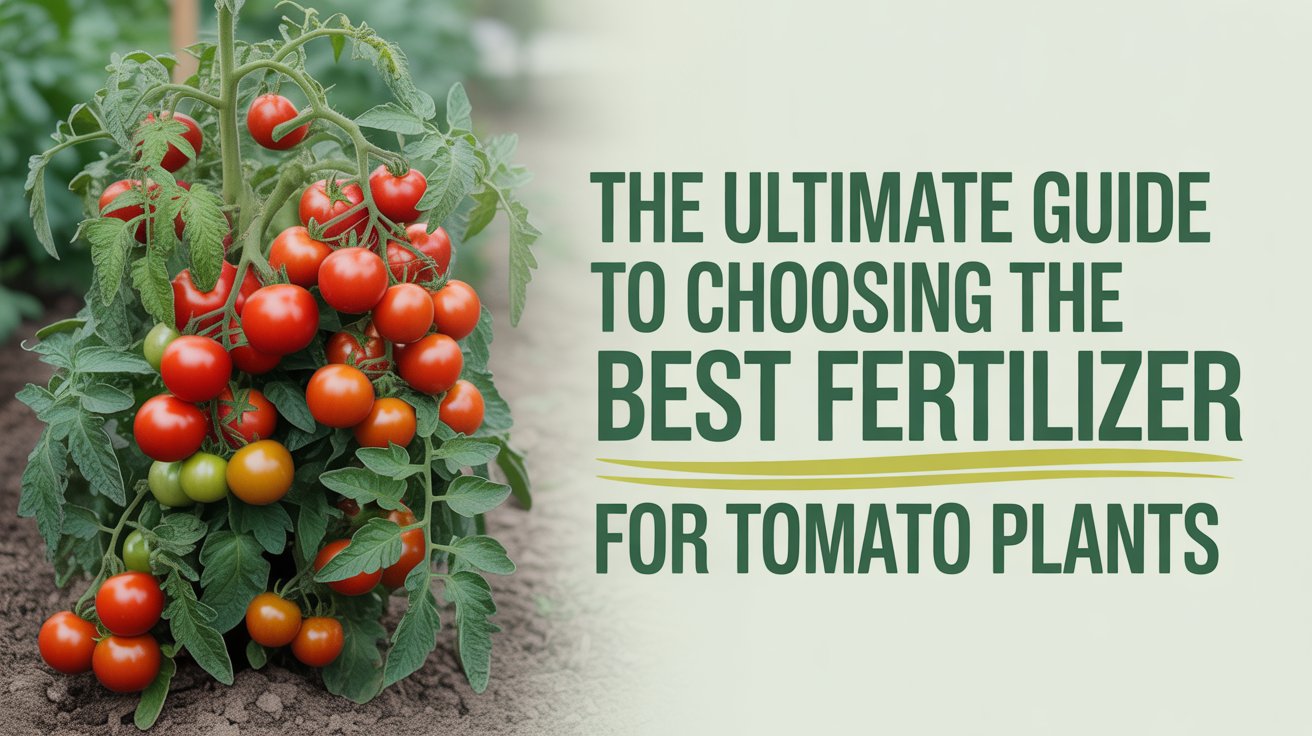
Tomatoes are one of the most fulfilling crops to grow, but they do need proper nutrition to flourish. Just as little babies want soft, nourishing first foods, tomatoes need the right balance of nutrients to grow vigorous, healthy, and fruitful. Therefore, it becomes important to select the best fertilizer for tomato plants. The best fertilizer for your tomato plants will give you vibrant green leaves, sturdy roots, and sweet, juicy fruits, whether you are growing tomatoes in pots, terrace gardens, or in an open field.
Good fertilizers for tomatoes come rich with nutrients. The big three we usually refer to are nitrogen, phosphorus, and potassium– each relating to a specific type of growth needed for plants. Nitrogen helps develop a lot of healthy green growth; phosphorus will help develop a strong root structure and flowers, and potassium can enhance fruit quality, size, and taste; vital micronutrients will enrich your plants too with nutrients such as magnesium, calcium, and iron, just to name a few. Deficiencies of these and others can lead to common issues like yellowing of leaves or blossom-end rot. Micronutrients may contribute to healthy, pest and disease-resistant plants with high yields.
Just as every type of millet has their own specific health benefits, each fertilizer for tomatoes will provide its own benefits too. Organic fertilizers like compost, cow manure, and seaweed extract will provide nutrients to the soil actively as well as improve long-term soil fertility, unlike synthetic fertilizers.
Understanding the Nutritional Needs of Tomato Plants
Tomato plants, like growing children, have nutritional needs that change throughout their growing stages. The nutrient availability in soil determines if tomato plants produce vibrant, juicy, always flavored tomatoes. When the soil nutrient supply is inadequate, tomato plants exhibit weak stems, yellow leaf tissue, low fruit set, and diversity of the right fertilizer for tomato plants is crucial for healthy growth.
Tomatoes greatly benefit from certain concentrations of macronutrients (NPK) along with micronutrients. These aid in root and leaf formation and lead to fruit development that is high in quality, disease-resistant, and nutrient-rich. Just as varying millets offer different benefits to children, their individual contributions are powerful and serve our tomato plants well.
What Nutrients Do Tomato Plants Need for Healthy Growth?
1. Nitrogen - The Leaf & Stem Builder
- Nitrogen encourages lots of green leaves and thick stems.
- Excess nitrogen delays flowering and fruiting.
- Nitrogen is especially critical early in the growth cycle and before fruiting begins.
- Example: Seedlings that are fertilized with a balanced tomato fertilizer will grow quicker and develop stronger stems.
2. Phosphorus - The Root & Flower Booster
- Phosphorus helps tomato plants produce deep, thick roots.
- Phosphorus is also important because it helps with flower development and setting fruit.
- Phosphorus slows down growth and can also cause some purplish discoloration on leaves.
- Positive side: A tomato plant with sufficient phosphorus will make larger, better quality fruit.
3. Potassium - The Fruit Quality Booster
- Potassium helps produce better flavor, bigger, brighter, and more colorful fruit.
- Potassium will boost the plants immunity and encourages better handling during stress.
- Potassium assists in the response to uniform fruit development and ripening.
- The right fertilizer for tomatoes will improve flavor and yields

How the Right NPK Ratio Affects Tomato Growth
1. Early Growth Stage (Seedling and Vegetative Stage)
- During this initial stage of growth, tomatoes will require the most nitrogen for leafy growth.
- An ideal NPK ratio for this stage is 10-5-5 or something similar.
- However, too much nitrogen later can be detrimental during the fruiting stage.
- Tip: apply a lightweight tomato fertilizer (roughly half strength) every two weeks.
2. Flowering Stage
- Plants transition from a leaf growth phase to focused development of flowers.
- As the plant grows, phosphorus will become important in this stage of growth.
- An ideal NPK ratio for this growth phase is 5-10-10 or 8-24-24, depending on the soil.
- What's the effect of using phosphorus during this growth stage? More flowers plus more tomatoes.
3. Fruiting Stage
- Fertilizer which contains potassium will help with the color, size and taste of the fruit.
- An ideal NPK ratio for this stage is 5-10-15 or 4-6-12.
- This stage gives support to longer harvesting cycles and ripening at similar times.
- The result is larger, sweeter and juicier tomatoes by simply using the proper fertilizer for tomatoes.
How NPK Influences Each Stage (Table)

Balanced NPK ensures tomatoes remain healthy from start to finish.
The Role of Organic and Synthetic Nutrients in Tomato Care
1. Organic Nutrients – Gentle, Long-Lasting Nutrition
Includes: compost, cow manure, bone meal, seaweed, fish emulsion. Improves structure and microbe life in soil. Slow release, as nutrients last longer. Safe for the home garden and will not burn pri-nutrients. Example: organic ferts for tomatoes keep soil fertile year after year.
2. Synthetic Nutrients – Rapid, Targeted Growth Boost
Water-soluble or granular chemical fertilizers. Active feed available for fast growing plants. Great for nutrient deficient soil, or farming at a commercial level. Must be practiced carefully to prevent over feeding. Benefit: Excellent blooming/fruiting feed.
3. Which is better? A balanced combination is probably best.
Organic fertilizers feed the soil. Synthetic are for fast results. Many gardeners try to combine organic and synthetic for best yield. Suggest: organic first, then synthetic bloom fertilizer. You want the best harvest.

Both play an important role in maintaining tomato plant health when used wisely.
Types of Fertilizer for Tomato Plants: Organic vs. Synthetic Options
Just like there are different kinds of millets, there are also various forms of fertilizer for tomato plants, all of which offer their own specific benefits. There are mild organic inputs that feed the soil naturally, as well as quick-acting chemical formulas, but all types of tomato fertilizer have a role in helping your plant to grow healthy, green and yield better.
Here is a breakdown of the major types of fertilizers for tomatoes, written in a way that is engaging in the same way as your millet section.
Organic Fertilizers: Benefits and Uses for Tomato Plants
Organic fertilizers behave like “traditional foods” for your soil: gentle, nutritious, slow-releasing. They nourish your tomato plants from the inside out, similar to how Ragi nourishes babies.
- Rich in Natural Nutrients: Composed of compost, cow dung, vermicompost, seaweed extract, bone meal, and fish emulsion. Releases nutrients over time, increases soil fertility and texture.
- Boosts Soil Microbes : Will stimulate ameliorative microorganisms that lead to enhanced nutrient uptake in tomatoes while decreasing chemical inputs over time.
- Prevents Common Tomato Concern: Able to help prevent blossom-end rot because it provides a steady-release of Calcium. Decreases soil acidity, while improving water retention.
Best for:
- Home gardens
- Organic agriculture
- Long-term soil health
- Sensitive tomato varieties
Synthetic Fertilizers: Quick Results for Tomato Plants
Synthetic fertilizers are like “instant energy boosters”! They work quickly, and effectively, and are predictable. This is great when you need quick plant growth or nearly depleted soil fertility.
- Quick Action Provides Immediate Results
- The nutrients are available immediately to the roots.
- Great for quick flowering and fruiting boosts
Exact Nutrient Ratios
- They come with precise NPK ratios (e.g., 19-19-19, 13-40-13, 15-15-15)
- Allows you the option to target specific stages of growth.
- Great for Heavy Feeders
Tomatoes are heavy feeders, and synthetic fertilizers will provide the nutrients needed quickly during:
- Flowering
- Fruit formation
- Growth spurts
Best For:
- Commercial tomatoes
- Quick recovery from a nutrient deficiency
- Controlled and measurable growth outcome
Choosing Between Organic and Synthetic Fertilizers for Tomatoes
Much like the selection of the best millet for a baby is age and digestion dependent, in the same manner choosing the best tomato fertilizer will depend on your goals for the garden, health of your soil, and time.
When to use Organic:
- If you are looking to enhance the soil for long-term tomato production
- For backyard or Tiny Gardens like a kitchen garden or terrace
- If you are looking to produce tomatoes without chemicals
When to use Synthetic:
- If the tomato plants demonstrate an abrupt nutrient deficiency
- If you want rapid flowering of the tomatoes and fruit development
- If your farming tomatoes involves a large area or high production
Best approach: A balance of both:
- Most experts will recommend a combination of both:
- Organic fertilizer as it will improve the soil AND
- Synthetic fertilizer which will enhance growth
This provides strong tomato plants, juicy tomatoes, and maintaining long-term soil health.

How to Properly Apply Fertilizer to Your Tomato Plants
Millets were baby-friendly as each type of millet genetic made them easy for babies during different growth stages - this also applies to tomatoes, where each stage of growth, will need a different approach to fertilization . Using the correct fertilizer will allow the crop to develop strong roots, have plenty of leaves, with delicious, juicy tomatoes to eat.
In this section, we will outline the method and timing of the four main application methods in simple, clear detail, similar to the millets sample.
When is the Best Time to Fertilize Your Tomato Plants?
Tomato plants grow in stages, just like babies, and naturally each stage requires a different type of nutrition. Providing tomato fertilizer at the right time can create healthier plants, more robust leaves and better-tasting tomatoes.
Seedling Stage
- Similarly to this first millet being fed to babies, seedlings require feeding at their own pace.
- Provide a very mild diluted fertilizer with phosphorus.
- This will encourage root development early on, as well as avoid weak floppy seedlings.
- Fertilize only after seedlings have their first true leaves.
Before Transplanting
- This stage follows the feeding timeline of older babies with Bajra.
- You will want to add compost or well-rotted manure into the soil.
- This ensures soil preparation, and provides the first instance of fertilizer to the roots that is nutrient-rich.
- This acts like a basic fertilizer to the tomato plant releasing nutrients slowly.
Flowering & Fruiting Stage
- Just like Foxtail millet provides energy for older growing kids, the potassium formula will provide energy to the tomato plant.
- Once flowering starts, you will want to provide a tomato fertilizer high in potassium.
This will aid in:
- Better fruit setting
- Bigger and juicier tomatoes
- Prevention of blossom-end rot
Fertilizing Frequency: How Often Should You Fertilize Tomatoes?
The amount is just as significant as the frequency: too much can be damaging and too little can be ineffective. Just like babies need to be fed on a regular schedule, tomatoes need their nutrients on a schedule as well.
Weekly Feeding for Container Tomatoes
- Container tomatoes always act like babies with sensitive stomachs. They have less time for nutrients to stay in the soil.
- These plants need to be fed weekly with a liquid tomato fertilizer.
- Regularly feeding with liquid will make sure that they have a consistent nutrient flow and will help to eliminate yellow leaves.
Every 12–15 Days for Garden Tomatoes
- Soil in the ground (and the soil your containers substitute) does a better job storing nutrients in comparison to the delicate Amanda fidget is consuming.
- You should feed garden tomatoes with granular or compost-based fertilizer every two weeks, or just every 12–15 days.
This pattern supports:
- Leaf growth
- Strong stems
- Continue fruit development
Avoid Feeding Too Much
Overfeeding a tomato plant is just like how toddlers have upset stomachs when they eat too much food.
Too much food causes:
- Giant leaves with no tomatoes
- Extremely weak stems
- All nitrogen, nothing developing
Ideal routine:
Feed less consistently!
Nourish modified to the context of what the plant says.
Liquid vs. Granular Fertilizers: Which Is More Effective?
Every fertilizer type works similarly to every millet type – offering distinct, unique advantages intended for specific stages and distinct needs.
Liquid Fertilizer for Tomatoes
Much like barnyard millets for sick babies, liquid fertilizers can act fast and are more forgiving.
Best for:
- Weak plants
- Container tomatoes
- Quick correction of nutritional imbalance
Liquid fertilizer for tomatoes can produce almost instant root absorption.
- Best for weekly application.
- Granular for Tomato Plants
- Similar to kodo millets for long-lasting energy, granules offer a slow release of feed.
Best for:
- Open garden beds
- Strong plants that are established
- Extended feeding
Most effective when incorporated early into the soil.

Common Mistakes When Fertilizing Tomatoes (And How to Avoid Them)
Tomato plants are particular feeders. Using the incorrect type or amount of tomato fertilizer can result in stunted growth, yellowing of leaves, weak stalks, or a poor crop yield. Here are some of the frequent fertilization errors that garden enthusiasts make – and how you can avoid them. Tomatoes can especially benefit from a fertilizer that is higher in phosphorus during the bloom period and higher in potassium during fruit formation. Regular feeding with a well-balanced tomato fertilizer will keep your plants vigorous, productive and thriving throughout the growing season.
Over-Fertilizing Tomato Plants: How to Spot and Fix It
Excessive fertilization with tomatoes can harm plants rather than benefit them.
Reasons why Over-Fertilization Occurs
- Using nitrogen-rich fertilizers too much
- Adding fertilizers too often
- Using multiple fertilizers at once
- Using synthetic fertilizers over and above organic fertilizers in the same season
Signs You Are Over-Fertilizing Tomato Plants
- Burnt leaf edges
- Dark green but curling, drooping leaves
- Very thick and bushy plant with NO flowers
- White crust on the surface of the soil
- Cut or damaged roots
Steps for Fixing Over-Fertilization
- Stop adding tomato fertilizer immediately.
- Water the soil to a full depth to leach out the salts.
- Rebalance nutrients by adding compost to soil.
- Trim burnt or damaged leaves.
- Stop all fertilizer action only after 2-3 weeks.
Tips for Safe Fertilizing to Avoid Over-Feeding
- Read and follow dosage instructions.
- Use slow-release fertilizers when fertilizing tomato plants.
- Feed, at most, once every 12-15 days during fruiting.
- Use balanced NPK inputs (iron and magnesium, for example, 5-10-10, 10-10-10).
Under-Fertilizing Tomatoes: What Happens When Nutrients Are Lacking?
Tomatoes demand a lot of nutrients; when they do not get enough, they will grow weakly, and can have low yield.
Why Under-Fertilization Happens:
- Soil does not have enough organic matter
- Using labeled garden soil instead of amending soil
- Water too frequently (nutrients washing away)
- Using cheap fertilizer on tomato plants
What are the results of Under-fertilization on Tomatoes:
- Less Flowering
- Poor immune system to pests due to low fertilization
- Slow development of roots
- Poor fruit size, color, and sweetness
How to Fix Under-Fertilization:
- Amend soil with compost or vermicompost
- Provide a balanced weekly tomato fertilizer
- Spray micro-nutrients (Mg, Ca, Fe)
- Add potassium-rich fertilizers when tomato plants are fruiting
Best Practices to Prevent Under-Fertilization:
- Lightly feed the tomato seedlings
- As they mature, increase feedings
- Monitor plant for changes with a simple NPK feeding chart
Signs of Under-Fertilized Tomato Plants

Troubleshooting Tomato Growth Problems: Yellow Leaves and Poor Fruit Set
Chlorosis and prolonged flowering phase signify that your fertilizer is either wrong, in quantity, or a mixture of both.
Lack of fruit set: possible explanations for flower drop instead of fruit set
- Too Much Nitrogen (grows excess leaves no fruits)
- Lack of potassium
- High temperatures (greater than 35 °C)
- Low activity by pollinators, especially bee
- Inconsistent indirect and ineffective irrigation
How to improve fruit set in your tomato plants
- Add a potassium fertilizer for tomatoes at flower development.
- No high nitrogen fertilizers at fruiting
- Consistent irrigation
- Apply mulch to the soil to reduce the effects of heat
- Carefully shake the plants to facilitate pollination
Easy tip for fertilizing when fruit set won't happen...
- Use NPK 5-15-30 or 10-12-20.
- Weekly applications of seaweed extract.
- Calcium nitrate to add food to address blossom-end rot
Yellow Leaves: What They Really Mean

Just like the right amount of millet supports a baby's growth, the right fertilizer will help the tomato. Stronger stems, more flowers, richer, juicier tomatoes. Keep in mind at least half of the common mistakes in fertilization are avoided for healthier plants, better soil, and more of a harvest with less aggravation during the growing period.
The Top-Rated Fertilizers for Tomato Plants: Product Recommendations & Reviews
There are many types of millets, and each has its own benefits for babies. Just like there are many types of fertilizer for tomato plants—which help the tomatoes differently based on their growth stage, soil type, and quality of crop desired.
Each tomato fertilizer listed below are the best tomato fertilizers described and written in a general, sample style tone.
A good tomato fertilizer should contain ample amounts of nutrients, like nitrogen, phosphorus and potassium— which each have their on role in growing plants. Nitrogen helps to grow lush leaves, phosphorus helps with root and flower development, while potassium aids following the tomatoes.= Qualities such as fruit quality, size and taste.
Best Commercial Fertilizers for Tomatoes in 2024
Commercial fertilizers are specially formulated mixtures that provide complete nutrition for every spoonful of tomatoes. They work quickly, support vigorous plant growth, and are great for inexperienced gardeners looking for a guaranteed solution.
a. Balanced NPK Fertilizer for Tomatoes
This type of tomato fertilizer provides a ready-to-use mixture of nitrogen, phosphorus, and potassium.
- Encourages leaf, flower + fruit growth
- Good for overall plant growth
- Can be used effectively on many different tomato types (Cherry, Roma, Heirloom)
Why it is Effective:
A balanced NPK fertilizer is suitable, readily absorbable “complete baby food” for plants that will have the right nutrients at every phase of growth.
b. High-Phosphorus Bloom Booster Fertilizer
A bloom booster acts like a strength-food for tomato plants by encouraging even more flowers and larger fruit.
- Improves flowering
- Reduces the dropping of flowers
- Improves fruit size, color + firmness
Best Use With:
Plants just as the flowers begin, and in the early development of fruiting.
c. Calcium-Enhanced Tomato Fertilizer
Just like calcium strengthens baby bones, calcium is beneficial to tomatoes.
- Will help to prevent blossom-end rot
- Build stronger walls of fruit
- Helps build healthier roots
Perfect for:
Gardeners who are dealing with rotting fruits, or weak, soft tomatoes.
H3 - Organic Fertilizers That Work Wonders for Tomato Plants
Just as millets are tender, natural, and nutritious for babies, organic fertilizer is the kindest and most natural way to grow healthy soil and crops for your tomato plants. Organic fertilizer slowly releases nutrients, improves soil structure, and progressively makes tomatoes healthier.
1. Compost-Based Organic Fertilizer
Compost is like a multi-vitamin, natural and slow, it will nourish the soil.
- Improves soil life
- Provides long-term nutrition
- Makes the soil airy and moist
Why Tomatoes Love It:
Compost provides continuous nutrition to the roots, and tomatoes develop strong stem systems.
2. Seaweed & Fish Emulsion Fertilizer
Seaweed is like a healthy meal for babies: a nutrient and vitamin rich "soup" for plants.
- Is packed with micronutrients
- Increases flowering
- Increases plant immunity
Best Use:
Flowering and fruiting stage for a natural growth-promoting option.
3. Cow Manure & Vermi compost Fertilizer
A soft earthy mix for sensitive plants - similar to meal for babies who were sensitive when they were young.
- Provides some vital nutrients (albeit slowly)
- Improves soil texture
- Encourages earthworms
Best For:
Those seeking to promote an organic garden and improve soil health over time.

Liquid vs. Granular Fertilizer: Which is Best for Tomatoes?
Similar to baby food, which can be consumed as smooth (puree) or solid (porridge) depending on age, tomato fertilizers come in liquid and granular forms of fertilizer, with a different purpose of each.
1. Tomato Liquid Fertilizer
Liquid tomato fertilizer is your PowerAde.
- Fast-acting
- Immediate results
- Great for weak or nutrient-depleted plants
Best Practice:
For use when flowering and fruiting for immediate support.
Benefits:
- Easy to mix and spray
- Great for tomato in containers
- Works well to revive a stressed plant in short time.
2. Tomato Granular Fertilizer
- Granular fertilizers are slow and steady, think filling, nutritious meal.
- Slow release of nutrients.
- Nutrients last longer in the soil.
Best practice:
At planting time and during early root establishment.
Benefits:
- Easy to sprinkle and mix in
- Good for larger gardens
- Less frequent feeding.
Which One Should You Choose?
FAQs
1. What is the best fertilizer for tomato plants?
A balanced fertilizer with added calcium—such as 10-10-10, 5-10-10, or tomato-specific blends—works best for strong growth and healthy fruits.
2. How often should you fertilize tomato plants?
Fertilize every 2–3 weeks during active growth, and weekly if using a diluted liquid tomato fertilizer.
3. What is the ideal NPK ratio for tomatoes?
A phosphorus-rich ratio like 5-10-10 or 10-10-10 is ideal, supporting flowering, fruiting, and root health.
4. Can I use homemade fertilizers for my tomatoes?
Yes—compost, banana peel water, eggshell powder, and compost tea are excellent natural nutrient boosters.
5. How do I know if I’m over-fertilizing my tomato plants?
Yellowing leaves, burnt leaf edges, curled foliage, and excessive leafy growth with little fruit indicate over-fertilization.
6. When is the best time to fertilize tomatoes?
Fertilize at planting, after flowering begins, and regularly through the fruiting stage for continuous production.
Conclusion: Give Your Tomatoes a Boost with the Right Fertilizer Today!
Organic fertilizers improve soil health, increase nutrient availability, and support long-term, natural tomato growth. Selecting the ideal fertilizer for tomato plants is the key factor in determining the outcome of your harvest—average and unremarkable or swollen, colorful, and juicy tomatoes throughout your garden. Tomatoes are naturally heavy feeders, and feeding them with the appropriate nutrients is similar to giving a child a healthy, balanced diet—it produces stronger, healthier, and more rewarding tomatoes. From early root production through to full production, every aspect of a tomato plant's lifecycle is less productive without a proper balance of nitrogen, phosphorus, potassium, and micronutrients. By understanding these nutrient needs and applying the correct tomato fertilizer, you are setting the plants up for strong stems, deep roots, and ample flowering which leads to bountiful fruit.
Regardless of whether you prefer organic materials such as raw manure, compost, or seaweed or fast-acting granular and liquid fertilizer, consistency and timing is the most important aspect. Well-fed plants become better at resisting pests, environmental stress factors, and nutrient induced disorders such as blossom-end rot. When you consistently and wisely nourish your tomatoes, tomato plants are capable of reaching their full potential and producing steadily throughout the season. Correct fertilizer for tomatoes can increase not only the quantity of your crop but also the flavor, texture, and overall quality of your tomato harvest.