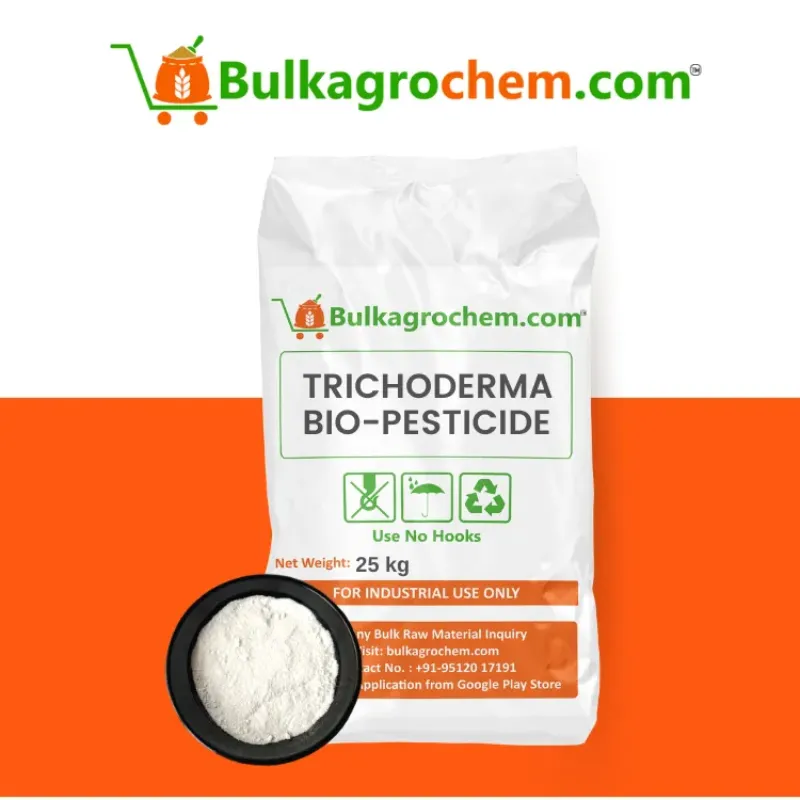
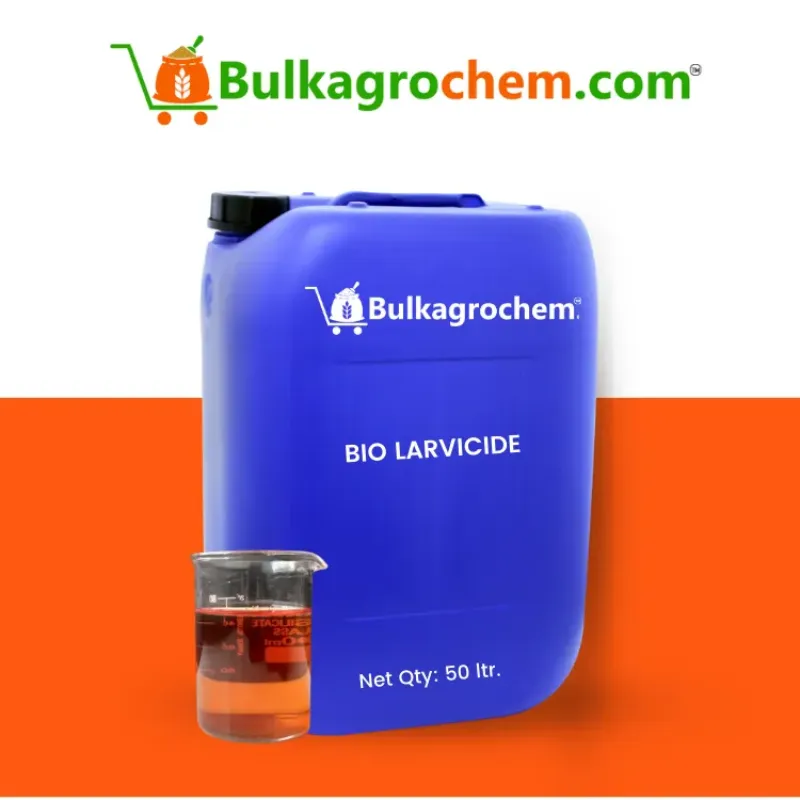
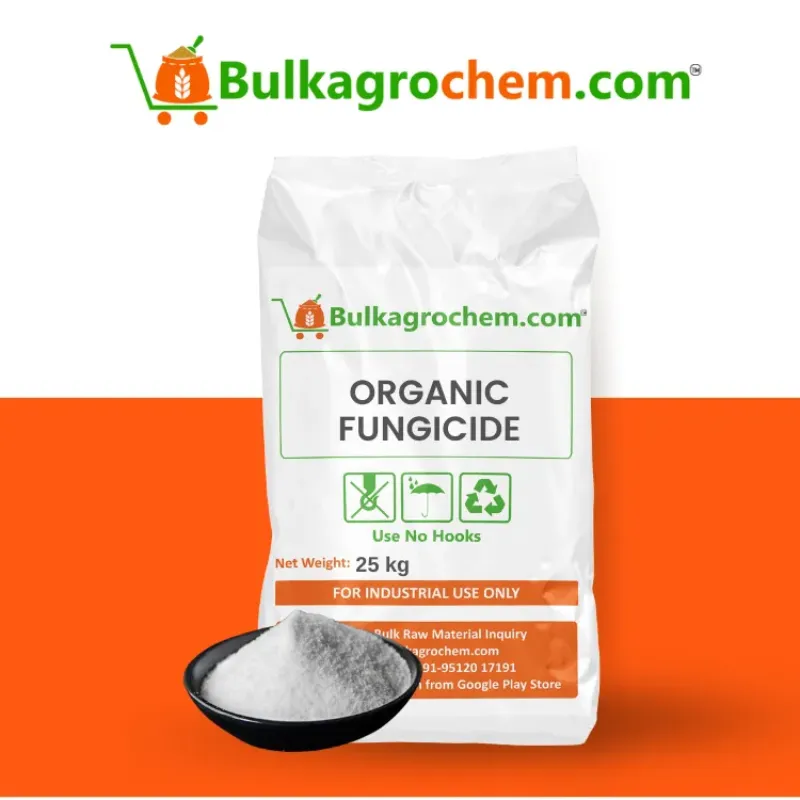
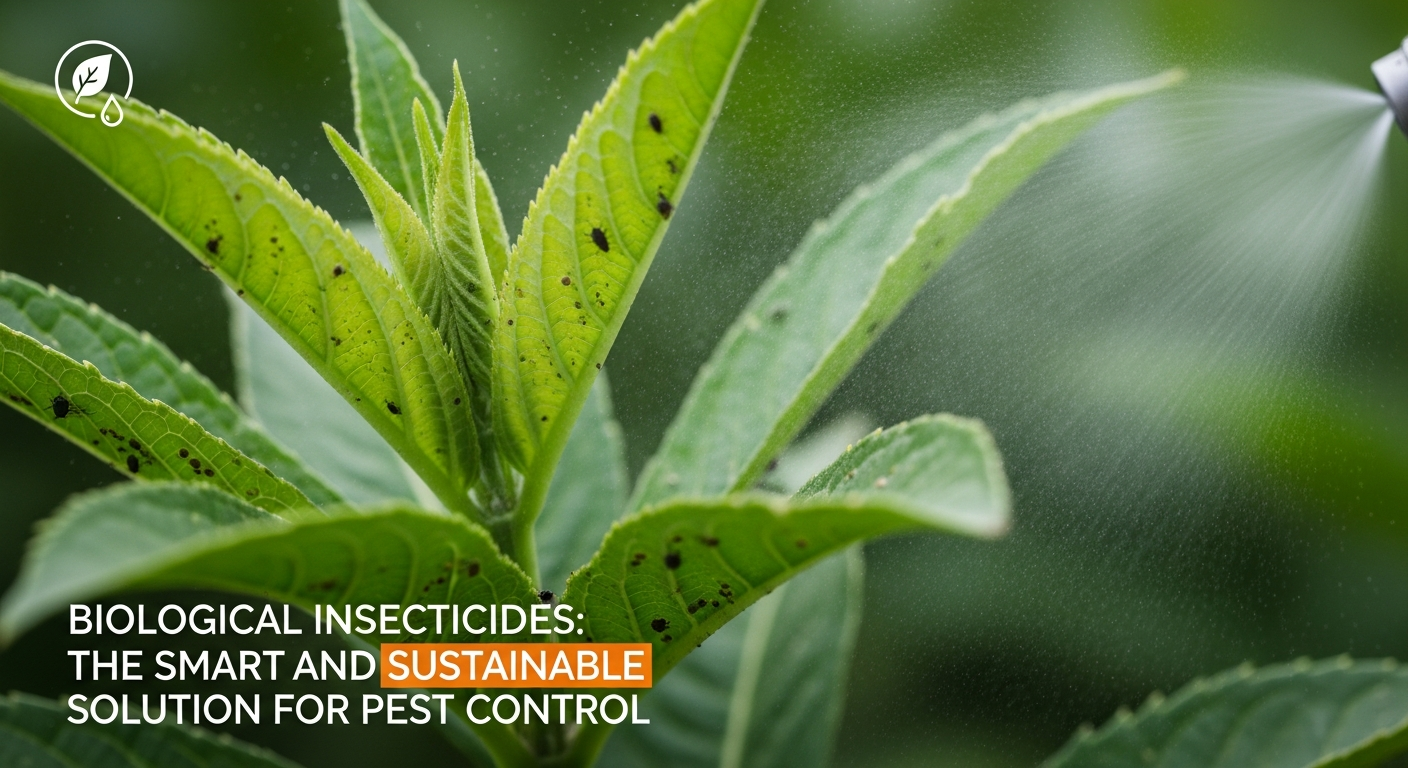
Premier Solutions provides naturally derived pest control products to help protect crops while keeping the environment healthy. They focus on using Nature and Science as the foundation to provide insect pest control through the natural biological processes, without causing disruption in the health of the soil or the other organisms that live within it.
Using a variety of microbial processes, plant compounds, and the natural enemies of pests, Biological insecticides have many of the benefits of chemical pest control with much lower toxicity than traditional insecticides. Organic insecticides can easily be integrated into a sustainable agriculture system and will produce healthier crops, provide safe food for consumers and allow farmers to be more productive over the long term.
There are proven methods for using naturally derived insect pest control products, including Microbial products, Neem Extract, and a variety of other plant extracts. Biological insect control products will support environmental initiatives and provide farmers with a smarter way to control their pest problems.
Understanding Biological Insecticides: What Are They and How Do They Work?
Biological insecticides are a form of pest control designed to control the harmful insect population in an agricultural environment and provide for the ongoing health of soils, crops, and other beneficial organisms.
Biological insecticides work by utilizing a living/or naturally occurring organism or substance to kill pests safely and sustainably; as such, biological insecticides represent a rapidly growing area in environmentally sustainable agriculture.
Definition of Biological Insecticides
A Biological Insecticide consists of natural materials (such as microbes, plants, or beneficial insects) used to repel, kill or prevent insect pests from damaging crops.
- Biological Insecticides consist of living organisms (bacteria, fungi, and viruses) and are formulated using only natural ingredients that will kill or prevent damage to crops without harming the environment.
- Examples of common bio-insecticides used in agriculture include Bacillus thuringiensis (Bt), neem-based formulations, and fungal species that are commonly found in the soil.
Mode of Action in Pest Control
Methods of Pest Management :
- Insect pests can be controlled biologically through the processes of infection growth impairment and feeding inhibition by means of their elimination by a pest predation nature.
- Unlike a pest control method such as a pesticide (chemical), some biological insecticides also produce pest control results in a way that is "biological".
Bt damages the gut of an insect, neem disrupts molting and feeding, and fungi invade the insect body to kill it. With these targeted methods of pest control it helps to slow down the tempo at which insect pests build resistance against insecticides and aids in maintaining beneficial insects.
Role in Modern Agricultural Pest Management
By combining effectiveness with environmental safety, biological insecticides offer a smart, sustainable alternative to conventional insecticides in modern agriculture.

The Key Benefits of Biological Insecticides Over Chemical Alternatives
Biological insecticides allow businesses to control pests without negatively affecting the environment or causing harm to humans or animals. Being organic allows biological insecticides to help preserve our crops and soil while at the same time protecting our natural resources from potential chemical contamination, making them a safer alternative to traditional insecticides for consumers and farmers alike.
As more consumers choose organic and residue-free products and businesses begin to adopt more sustainable farming practices, biological insecticides are becoming increasingly popular around the world today
Reduced Toxicity and Residue Levels
- Less Toxicity and Residue
Safe for Humans, Animals, Environment, Minimal Chemical Residue on Crops
- Less Risky to Use Than Synthetic Insecticides
- Fulfills Global Safety Regulations for Food and Animal Products
- Acts Specifically on Harmful Pests While Protecting Beneficial Organisms
- Examples Include:
Bacillus thuringiensis (Bt) - Specifically Attacks Lepidopteran Larvae (Caterpillars)
Neem Oil - Effectively Controls Aphids, Mites, Thrips and Many Other Insect Pests
Environmental and Soil Health Benefits
Protect Beneficial Insects
- Are Safe for Pollinators Such as Bees and Natural Predators.
- Maintain Ecological Balance in Agricultural Fields.
Improved Soil Health
- Do Not Disrupt Soil Microbes Necessary for Nutrient Cycling.
- Help Support Long-Term Soil Fertility and Structure.
Reduced Environmental Pollution
- Increased Risk of Water, Air, and Soil Pollution Than Chemical Insecticides.

Compatibility with Organic and Sustainable Farming
Approved for organic agriculture
- accepted in many organic certification programs.
- supports chemical and residue-free farming.
Ideal for the Integrated Pest Management (IPM)
- can be integrated with all other control methods including cultural, mechanical, and biological controls.
- reduces over-dependence on conventional insecticides (synthetic).
Supports sustainable agriculture goals
- improves crop safety, protects the environment, and increases the profitability of farms.
With a lower level of toxicity (to humans), preserving soil and ecosystems while being compatible with organic and sustainable farming systems, biological insecticides are a much better and safer alternative than conventional insecticides; in fact, Many proven examples of bio insecticides provide reliable and effective pest control in agriculture.
Types of Biological Insecticides Used in Agriculture
Biological insecticides in agriculture are derived from the natural methods and life forms that create pest control solutions that are safe and effective for all involved. Biological insecticides target specific pests while allowing beneficial insects to thrive, protecting the soil´s ecosystem, as well as the overall environment surrounding the farm.
Using Biological insecticides is becoming a more common way for farmers to use biological solutions along with conventional methods as they continue to adopt Integrated Pest Management (IPM) practices.
Microbial Biological Insecticides
Bacterial Insecticides
- Sourced from naturally occurring bacteria which kill the target pest(s) by ingestion.
- Highly selective on specific insects; safe to all non-target organism(s).
Fungal Biological Insecticides
- Fungi infect, and grow in, the body of an insect, producing death in a natural manner; effective for control of both the soil pest(s), and the sap-sucking pest(s).
Viral Insecticides
- Utilise the natural viruses of insects, which interfere with the growth/reproduction of the pest.
- Mostly used to treat caterpillar and larval levels.

Botanical and Plant-Based Insecticides
Insecticides Based on Neem
- Neem is generated from both neem seeds and neem plant leaves
- They act as insect repellants, deter pests from feeding, and control insect growth.
Insecticides Based off of Plant Extracts
- Plant extracts create natural insecticides.
- Herbal pesticide bacteria decompose very quickly and produce extremely low amounts of residue.
Multi-Functional Pest Control
- Multiple modes of action reduce the development of pest resistance.

Natural Enemies and Bio-Control Agents
Predator Insects
- Directly consume harmful insects.
- Naturally decrease pest population density in agricultural practices.
Parasitoids
- Lay egg(s) inside or on pests, causing the death of the pest.
- Provide long-term, stable reduction in pest densities.
Integration of Bio-control agents into IPM practices
- Utilization of Bio-control agents in conjunction with other insecticides are important for maintaining ecological balance.
By combining microbial solutions, plant-based formulations, and natural enemies, biological insecticides offer diverse and reliable pest control options. These bio insecticides examples help farmers reduce chemical dependence while maintaining effective insecticides strategies for sustainable agriculture.

Bio Insecticides Examples and Their Agricultural Applications
Bio Insecticides are biological pest control methods used in Agriculture with minimal impact on beneficial insects, crops, and the environment.
These examples highlight the use of naturally occurring biological pest control products for directing specific pest populations and promote sustainable agriculture.
Biological pest control products can come from both microbials and plant-based products and Biological pest control represents an ongoing trend in agricultural operations today.
Bacillus thuringiensis (Bt)
The bacterium, Bacillus thuringiensis (Bt), is a microbial insecticide that is derived from a type of bacterium.
Makes Available: Toxins that attack the digestive tract of certain species of insect larvae.
Major Uses in Agriculture:
- To manage caterpillars, borers, and other larvae on cotton, maize, vegetables and legumes.
- Provides best results when used on insect larvae during their early developmental stages.
Benefits in Pest Management:
- Reduces the possibility of insect pests developing resistance to pesticides that have been chemically formulated.
Neem-Based Insecticides
- Neem insecticides are derived from the seeds and leaves of the neem tree (Azadirachta indica) and contain the active ingredient azadirachtin.
- Insecticides based on neem offer multiple modes of action as repellents, feeding deterrents, and growth inhibitors.
- Neem insecticides are widely used to control aphids, whiteflies, thrips, mites, and leafhoppers on various types of crops, including vegetables, fruits, cereals, and oilseeds.
- The neem insecticide is biodegradable and leaves little residue after application.
Additionally, when used properly, neem is generally safe for pollinators and other natural enemies.
Spinosad and Entomopathogenic Fungi
Spinosad
- A Pesticide Made By Using Soil Microorganisms To Create An Insecticide.
- This Chemical Has The Ability To Kill Insects By Causing Neurological Disorders Leading To Paralysis.
Entomopathogenic Fungi
- Entomopathogenic Fungi Are Fungal Organisms That Enter Insects' Bodies Through Their Cuticles And Lead To The Insect's Death By Natural Processes.
- Entomopathogenic Fungi Can Be Effective Against Both Soil And Foliar Pest Problems.
Insect Targeting and Product Applications of Entomopathogenic Fungi
- Entomopathogenic Fungi Can Be Effectively Applied To Control Thrips, Caterpillars, Beetles, Whiteflies And Aphids On Vegetables, Fruit, Plantation And Protected Cropping Systems.

How to Use Biological Insecticides Effectively on Farms
To achieve a consistent and effective level of pest control on agricultural farms through the use of Biological Insecticides, the use of these types of insecticides has its own way of doing things that you must make sure you are following, as Conventional Insecticides can have opposite effects and may not yield desired results unless all factors involved with their application are taken into account.
When applied correctly and using the proper methods for timing, handling and integrating into integrated pest management programs, the use of biological insecticides can have a drastic effect on the number of pests on the farm and provide a more sustainable and environmentally friendly approach to farming.
Proper Application Methods and Timing
Correct Application Timeframe:
- To improve effectiveness, apply product(s) on the early stage of the life cycle of pest(s).
- To avoid vaporizing activities from extreme heat, spray on cooler times like the early morning or after sunset.
Accurate Application Method of Products:
- Use a nozzle tip that is appropriate and allows you to apply uniformly to all parts of the plant that are affected by the pest.
- Use the recommended water volume and type of spray equipment recommended by the manufacturer.
Environmental Factors:
- Do not apply before rain or on hot sunny days.
- Ensure that humidity levels are suitable for any biological insecticides that may be used in conjunction with insecticides.
Integration with IPM Programs
Combine several pest management strategies
- Incorporate bioinsecticide in conjunction with mechanical/cultural control methods.
- Minimize reliance on chemical insecticides.
Pest Monitoring and Action Threshold
- Only apply chemical insecticide products upon reaching the economic threshold for pest population levels.
- Avoid unnecessary chemical pesticide applications and prevent the development of resistance.
Control Methods Rotation
- Use a variety of different bioinsecticide formulations to maintain effectiveness.
Storage, Handling, and Dosage Best Practices
Storage Conditions
- Store product in a cool, dry location, and out of direct sunlight.
- Follow manufacturer recommendations for storage to maximize product viability.
Handling Practices
- Use clean equipment and wear appropriate protective wear when mixing and spraying.
- Do not contaminate with chemical insecticides.
Dosaging and Mixing
- Always use the amount specified on the label.
- Using higher than recommended rates may cause a decrease in efficacy and an increase in the price.

Challenges and Limitations of Biological Insecticides
Farmers who wish to use biological insecticides as part of an Integrated Pest Management System (IPM) should understand the challenges and limitations of using bio-insecticides.
This knowledge will help the farmer make informed choices about when to use a bio-insecticide compared to a chemical-based insecticide and how to combine the two products in their unique situations.
Slower Action Compared to Chemical Insecticides
Slower Reaction Than Chemical Insecticides
- Biological insecticides affect pests slowly.
- Unlike many chemical insecticides, biological insecticides will not produce immediate results.
Dependence on Pest Life Stage
- Biological insecticides are most effective in the early stages of larval and nymphal life.
- Biological insecticides may require additional pest control methods for late-stage pest infestation.
Management Implication
- Regular pest monitoring and timely application of biological insecticides are required for effective pest management.
Specificity to Target Pests
Limited range of pests
- Many botanical insecticides only work on one or two insects.
- Accurate identification is mandatory before using bioinsecticides.
No overall control
- Unlike synthetic insecticides, there is typically no overall control of all insects at once.
- In extreme mixed infestations one may have to utilize several different types of bioinsecticides.
Positive trade-off
- Beneficial insect populations, including pollinators, remain protected by the use of bioinsecticides.
Shelf-Life and Environmental Sensitivity
Limited Shelf-life
- The effectiveness of many microbial insecticides will gradually be lost.
- Improper storage of biological insecticides can lead to reduced viability.
Sensitivity to the Environment
- Heat, ultraviolet radiation, and low humidity can damage the performance of microbial insecticides.
- The weather will significantly impact the field performance of the product.
Storage and Handling Issues
- Microbial insecticides should be stored in a dark environment that is cool and dry.

The Future of Pest Control: Innovations in Biological Insecticide Development
As we look forward to the future of pest control within the agricultural sector, there are many reasons to be optimistic that biological-based insecticides will continue to dominate this area.
As consumers demand safer, more environmentally-friendly products that work, there has been ongoing research into improving upon traditional insecticides through the use of biological materials.
On top of this, technological improvements in how we produce and apply these bio-insecticides is making them a crucial part of the ongoing trend of "Green Pest Control Strategy" in agriculture.
Next-Generation Biopesticides
More effective Formulation Technologies
- Improved Shelf Life and Stability During Field Applications
- Higher Adhesion and Persistence Rates on The Surfaces of Crops.
Broader Pest-spectrum
- Development of New Biological Insecticides to Control Multiple Pests
- Reduced Frequency of Applications.
Resistance Management
- The Multi-Mode of Action of Biological Insecticides Reduces The Buildup of Resistance to Insecticides Compared to Chemical Insecticides.
Biotechnology and Microbial Advances
Development of New Microorganism Strains
- Genetically modified organisms (GMO) will have improved pest control properties.
- Ability to function in any environment.
Increased Effectiveness of Targeted Pest Control
- Reduced risk of killing beneficial insects due to use of targeted approaches.
- Greater crop safety and ecological integrity.
Precision Agriculture and Green Technology
Application Regulations for Tactics
- The Precision Sprayer gives you the correct amount and uses less.
- Also helps to enhance the efficacy of Biological Insecticides.
Use Data to Monitor/Pest Control
- Sensors and other Monitoring equipment can be used to find the best time to apply Biological Insecticides.
- We can minimize the application of Biological Insecticides to only the time that is absolutely necessary.
Combine Sustainable Agriculture with Practice
- Biological Insecticides should be applied together with Climate-Smart Agriculture Practices.

With these innovations, biological insecticides are set to redefine pest control by delivering effective, eco-friendly, and future-ready insecticides for sustainable agricultural systems.
FAQs
Q1. What are biological insecticides?
Biological insecticides are pest control products derived from natural organisms such as bacteria, fungi, plants, or beneficial insects.
Q2. Are biological insecticides safe for crops?
Yes, biological insecticides are safe for crops when used as recommended and do not harm plant growth.
Q3. How are biological insecticides different from chemical insecticides?
They are eco-friendly, biodegradable, and target specific pests, unlike chemical insecticides which are broad-spectrum.
Q4. What are common bio insecticides examples in agriculture?
Common bio insecticides examples include Bacillus thuringiensis (Bt), neem-based insecticides, spinosad, and fungal biopesticides.
Q5. Can biological insecticides replace chemical insecticides completely?
They can reduce reliance on chemical insecticides but work best when used as part of an Integrated Pest Management (IPM) approach.
Conclusion: Make the Switch to Biological Insecticides for a Healthier Planet and Better Results
Biological insecticides are taking pest management to a safer, more sustainable level in agriculture by utilizing naturally occurring organisms and plant-derived products to manage destructive pests while simultaneously preserving soil health, beneficial organisms and the overall environment surrounding agriculture. Biological insecticides are an excellent choice for farmers to avoid the growing concerns about chemical residue, resistance and environmental effects of using traditional insecticides.
Biological insecticides also provide long term benefits to farms by supporting continued agricultural productivity and crop safety. When integrated into modern agricultural practice, biological insecticides (such as Bt, neem products and microbial formulations) are reliable methods for controlling pests while maintaining yields and quality. Additionally, many biological insecticides have targeted effects on specific undesirable pests and will allow for the continued maintenance of ecological balance, food safety and export standards.
The shift to using biological insecticides is not only an environmental decision, but is also a smart decision for farmers. Farmers have the ability to combine innovative and sustainable pest management solutions with responsible and effective practices in order to achieve healthy crops, safer food systems and better results for the planet and future generations.
