
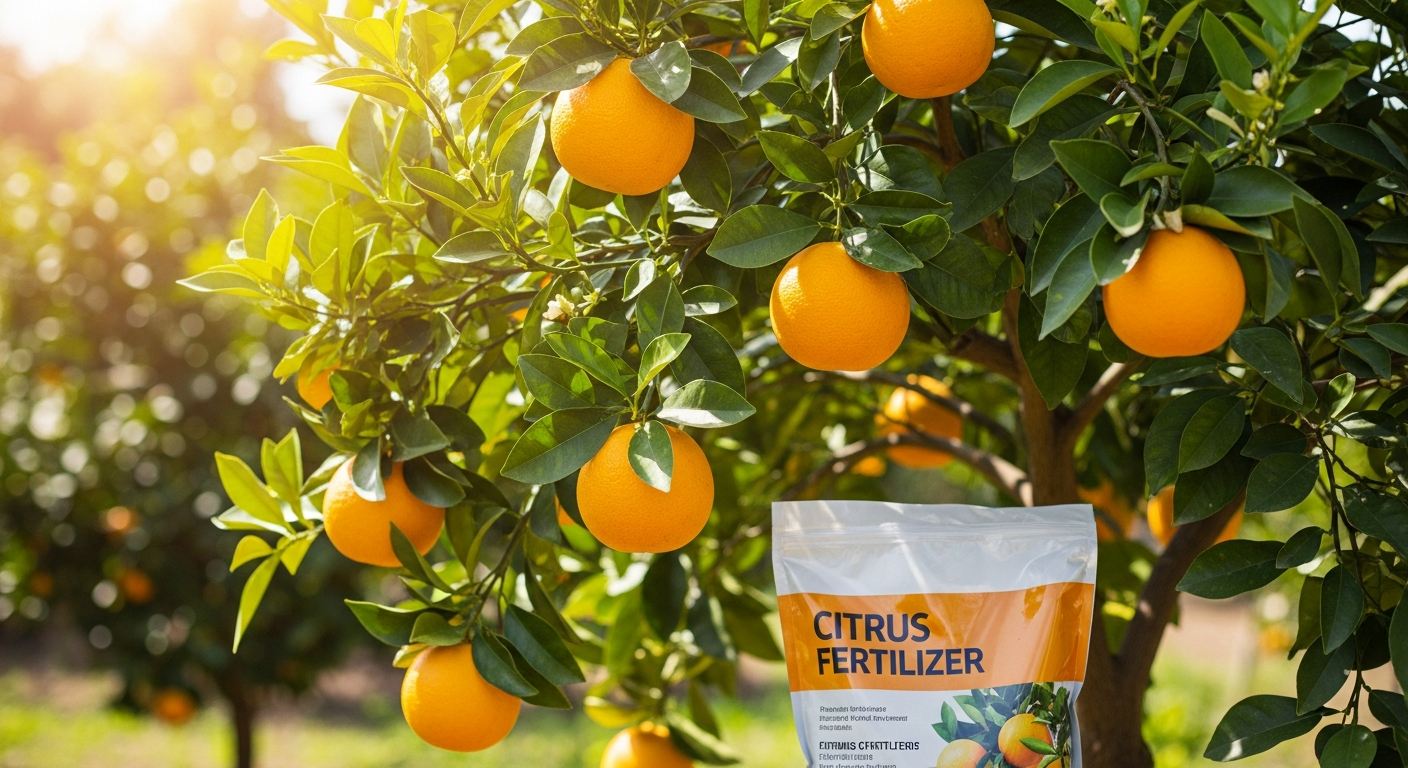
Citrus fertilizers are specially formulated nutrient sources that provide nutrients necessary for lemon, orange, lime, and other citrus trees to grow healthy. For citrus trees to have healthy foliage, strong roots, and superior fruit production year after year, they need regular feedings.
Citrus fertilizer typically contains primary nutrients such as nitrogen, phosphorus, potassium, calcium, and magnesium, as well as secondary and micronutrient elements, that all provide essential nutrients that promote flower and fruit production, increase fruit sweetness and quality, improve colour of the peel, and promote the overall health of a citrus plant.
Because citrus trees are high feeding plants, applying fertilizer regularly is critical in preventing yellowing of leaves, poor fruit set and production, and weak growth. Applying the right fertilizer at the correct intervals will help your trees grow stronger and produce larger harvests.
Choosing the right citrus fertilizer can make a significant difference in how well a backyard lemon tree grows compared to a commercial orange grove.
Understanding the Unique Nutritional Needs of Citrus Trees
Growing citrus trees will require you to supplement their minerals and vitamins with a balanced diet of nutrients, as they continuously absorb the soil's mineral content throughout the year. Feeding your citruses on a regular basis with an appropriate fertilizer will enhance their overall health (leaves), promote the development of a greater number of branches/root systems, and produce a higher quality of fruit.
An effective citrus tree fertilizer should be made up of both macro and micronutrients in equal proportion, as equal proportions per food item help to eliminate common problems such as the occurrence of yellow leaves, fruit drop, poor sweetness and weak growth. A solid nutrition program is essential to the creation of commercial and homegrown citrus trees.
Essential Nutrients Required by Citrus Trees
Primary nutrients are needed by citrus trees for steady growth and production of fruit.
- Green leafy growth is produced by nitrogen
- Phosphorous aids in developing roots and flowers
- Increase fruit size and quality by using potassium
- Calcium makes cell walls and fruit skins stronger
- Chlorophyll production is supported through magnesium

Macro and Micronutrients for Citrus Plants
Micronutrients, though required in small quantities, are equally critical for healthy plants.
Key takeaways:
- Zinc promotes growth of shoots.
- Iron prevents yellowish colouration of leaves.
- Manganese assists in metabolism.
- Boron promotes flowering.
- Copper supports plant health.
Why Citrus Trees Need Specialized Fertilizer
Citrus Speciality Fertiliser is formulated to provide the specific nutrition required by your Citrus Crop compared to a 'General Fertiliser' product.
Some Key Features:
- Balanced nutrient ratios
- Provides micronutrients
- Promotes flower and fruit formation
- Minimises nutrient deficiencies
- Enhance yields over a long period of time.
Key Benefits of Using Specialized Citrus Fertilizer
Citrus tree fertilizer that has been specifically created for your tree type provides nutrients (fertilizer) during periods of time when the tree would like access to those nutrients, and encourages the tree to develop better roots and foliage, which leads to better chances of producing ripe fruit.
Using the appropriate fertilizer for the tree type allows the tree to develop vigorously with more leaf area, greater stem strength and product yield. The use of fertilizer allows the tree to recover from stress resulting from heat, drought or excessive fruit production.
Enhanced Fruit Quality and Yield
Balanced nutrient levels in a Citrus tree results in an increase in the quantity, size, peel color and market quality of the produced fruit. Potassium and micronutrients are key contributors to this improvement.
Key Benefits:
- Increased number of fruit
- Improved fruit size
- Improved fruit color
- More uniform harvest
- Improved market value.

Improved Tree Health and Growth
Correctly fertilized Citrus trees tend to grow more robust systems such as better branching, deeper roots, larger canopies, make quicker recoveries from stress and will experience more vigorous growth.
Key points:
- Larger canopies
- More vigorous growth
- Better branching
- Quicker recoveries from stress
- Deeper roots
Increased Disease Resistance
Balanced fertilizers help to create strong and healthy plant cells, which allow trees to better withstand stressful situations. A stronger tree will be less susceptible to decline when subjected to disease or pest infestations.
Summary of benefits:
- Improved plant cell structure
- Increased ability to tolerate stressful conditions
- Improved quality of leaf cells
- Higher rate of recovery from environmental stressors
- Longer-lasting vigor
Types of Citrus Fertilizers: Organic vs Synthetic Options
Which type of fertilizer you choose for your citrus trees will depend on how old the tree is, what type of soil conditions you have, what you plan to produce (marketable product), and your management style. There are both synthetic and organic (natural) fertilizers available that can produce healthy citrus trees when they are applied correctly.
Some growers will use both types of fertilizer in order to achieve balanced results. Fertilizer programs must consistently deliver nutrients to the plants while also maintaining a healthy and productive environment for the citrus trees.
Organic Citrus Fertilizer Benefits
Citrus fertilizer produced naturally from compost, manure, seaweed, bone meal or other vegetable materials break down slowly and improve the quality of the dirt as they do so.
There are many advantages to using citrus fertilizer as follows:
- Improve O.M. (Organic Matter) of soil
- Foster beneficial soil microbes
- Nutrients released slowly and progressively
- Better moisture retention in soil
- Long-term safe fertilizer solution

Synthetic Fertilizer for Quick Results
Synthetic fertilizers are designed to supply plants with fast-releasing nutrients. When a citrus tree needs to quickly replenish its supply of a key nutrient or is growing rapidly during the growing season, synthetic fertilizers can be applied.
Features of using synthetic fertilizer in citrus:
- Fast absorption of nutrients
- Correction of a nutrient deficiency very quickly
- Flexible delivery system
- Great growing response of trees when compared to other fertilizers
- Good for commercial crops
Comparing Organic and Synthetic Options
All types of fertilizers offer benefits according to the goals of the grower. Organic fertilizers develop long-term soil health, whereas synthetic fertilizers provide an instant food source.
Important facts to remember:
- Organic is a sustainable way to nurture soil
- Synthetic is an effective method for providing instant nutrients
- Use of organic improves biological content in soil
- Use of synthetic will produce visible results in a short period of time.
- Often the combination of both types of products will achieve the best results.
How to Apply Citrus Fertilizer Correctly for Maximum Growth and Yield
When properly applied, fertilizer will provide the proper nourishment to the citrus tree with minimal loss of that nourishment to other uses. In determining how much fertilizer to apply, the size and age of the tree, the season, and soil type all play a role. A better method of application is to apply smaller amounts of fertilizer several times throughout the growing season than one large application.
Proper placement of the fertilizer around the root zone and proper watering after application will help to optimize the trees' potential nutrient uptake and allow for stronger growth.
Fertilizing Schedule for Citrus Trees
Citrus trees need to be fertilized at different times throughout the growing season and during the time of fruit development. Young citrus trees typically require more frequent and light amounts of fertilizer than older mature trees.
Key points:
- Fertilize during the growing season of the tree
- Young trees should receive fertilizer regularly
- Older mature trees should receive fertilizer seasonally
- Splitting applications or divided applications increases efficiency
- Dormant trees should receive less fertilizer.
Correct Dosage and Application Methods
Applying the proper amount of fertilizer helps prevent both underfeeding and overfeeding. You should apply it near the feeder roots at the drip line of the tree so as to be able to use it properly.
The key points to remember about fertilizer applications are:
- Use rate is based on the size of tree
- Fertilizer is spread around the tree (drip line)
- Fertilizer is not applied close to trunk
- Fertilize after watering
- Adjust rates based on soil test results

Best Time to Fertilize Citrus Trees
The proper timing of fertilizers increases its uptake and minimizes losses; therefore, fertilizing during the spring and before flowering should provide the most benefit. Key
Points to consider include the following:
- Fertilizing during early spring
- Fertilizing prior to flowering stage
- possible to fertilize summertime but lightly
- Avoid fertilizing during peak heat of day
- Avoid heavy fertilization during late winter/ early spring.

Common Mistakes to Avoid When Using Citrus Fertilizer
Citrus trees can sustain damage through improper fertilizer application, which wastes money and hinders fruit quality, with a lot of the associated problems coming from being over-fertilized and/or applying fertilizer at the wrong time, or not recognizing nutrient deficiency symptoms.
Monitoring frequently and implementing a balanced nutrient strategy will help in reducing or eliminating these types of problems.
Over-Fertilizing and Its Risks
Using too much fertilizer may cause salt to accumulate, while at the same time causing an overabundance of foliage as well as reducing the amount of produced fruit.
The following are the key points regarding the effects of excessive fertilizer on your plants:
- Root Stress
- Leaf Burn
- Weak Fruiting
- Nutrient Imbalance
- Wasted Fertilizer Expenses
Signs of Nutrient Imbalance
Deficiencies or excessive nutrients may manifest as visible symptoms on both leaves and fruits.
The following are the key points regarding the effects of deficiencies and excessive nutrients on your plants:
- Yellow Leaves
- Small Fruit
- Poor Flowering
- Weak Shoots
- Leaf Drop

Preventing Fertilizer Burn
Fertilizer burn occurs when improper application of fertilizer results in root or leaf injury by means of the salts contained in the product.
Follow these guidelines to avoid fertilizer burn:
- Correct dosage
- Moist soil at time of application
- Watering after fertilization
- Avoid contact with trunk
- Use split applications.
The Impact of Proper Citrus Fertilization on Fruit Size and Flavor
Using balanced fertilizers designed to meet all nutrients required in specific ratios for citrus trees will directly affect fruit quality, juice yield/how much juice contained within the fruit/juice sweetness, fruit skin/peel quality, and shelf life. Properly nourished trees produce higher quality fruits in terms of marketability; provide larger yields and more uniform harvests.
In addition, being well-nourished results in improved consumer acceptance/attractiveness of the fruits purchased and/or stored, and improved post-harvest fruit storage capabilities.
Bigger and Juicier Fruits
Healthy fruit development occurs with the inclusion of potassium and balanced feeding practices.
Key Benefits:
- Increased filling of the fruit
- Increased juice content
- More consistently sized fruit
- Increased fruit weight
- Visually appealing fruit.
Improved Taste and Sweetness
Sugar balance and flavour development is greatly influenced by nutrition.
Key Benefits:
- Sweetness improved
- Richer flavoured
- Richer aromatic
- Balanced acidity
- Higher quality for eating.
Better Harvest Quality and Shelf Life
Better quality peels allow for greater storage time of fruit and better ability to withstand transport.
Key Points:
- Stronger peel
- Less damage incurred during transit
- Longer shelf life
- Decreased postharvest losses
- Increased market value

FAQs
Q1- What is citrus fertilizer used for?
Citrus fertilizer is used to promote healthy growth, flowering, and better fruit production in citrus trees.
Q2-How often should I apply citrus tree fertilizer?
Citrus tree fertilizer is usually applied 3–4 times a year during the active growing season.
Q3-What nutrients are important in citrus fertilizer?
Nitrogen, phosphorus, potassium, magnesium, iron, and zinc are important nutrients for citrus trees.
Q4-Can I use regular fertilizer for citrus trees?
Yes, but specialized citrus fertilizer is better because it contains nutrients suited for citrus needs.
Q5-What are signs of over-fertilizing citrus trees?
Yellow leaves, leaf burn, weak fruiting, and salt buildup in soil are common signs of over-fertilizing.
Conclusion: Boost Your Citrus Harvest by Choosing and Applying the Right Citrus Fertilizer Today
If you want your citrus trees to produce healthy, plentiful crops, the first step is choosing the proper type of citrus fertilizer. When you use the right fertilizer for your trees, they will have the strength and energy they need to produce strong roots, healthy green leaves, many flowers, and lots of fruit. Using a balanced fertilizer will also help your trees produce larger, sweeter fruit that have a better color and taste and higher quality for sale.
In addition to using the right fertilizer at the right time and in the right amounts, applying the fertilizer correctly will also be very important to your harvest. If you fertilize during the active growth periods of a tree, apply water regularly to your tree to keep the tree hydrated, and develop a soil and nutrient management program for your tree, the tree will be able to utilize the fertilizer you applied properly, thereby preventing waste and burning. Giving a tree the proper amount of regular care will greatly improve the tree’s health and help provide you with a reliable harvest for many years to come.
Proper fertilizer management can dramatically improve the results you are getting from your home garden or commercial citrus orchard. By making an investment in the right type of citrus fertilizer, you will have healthy trees, increased production of citrus fruit from your trees, and the best quality citrus fruit crop you can produce for many years to come.