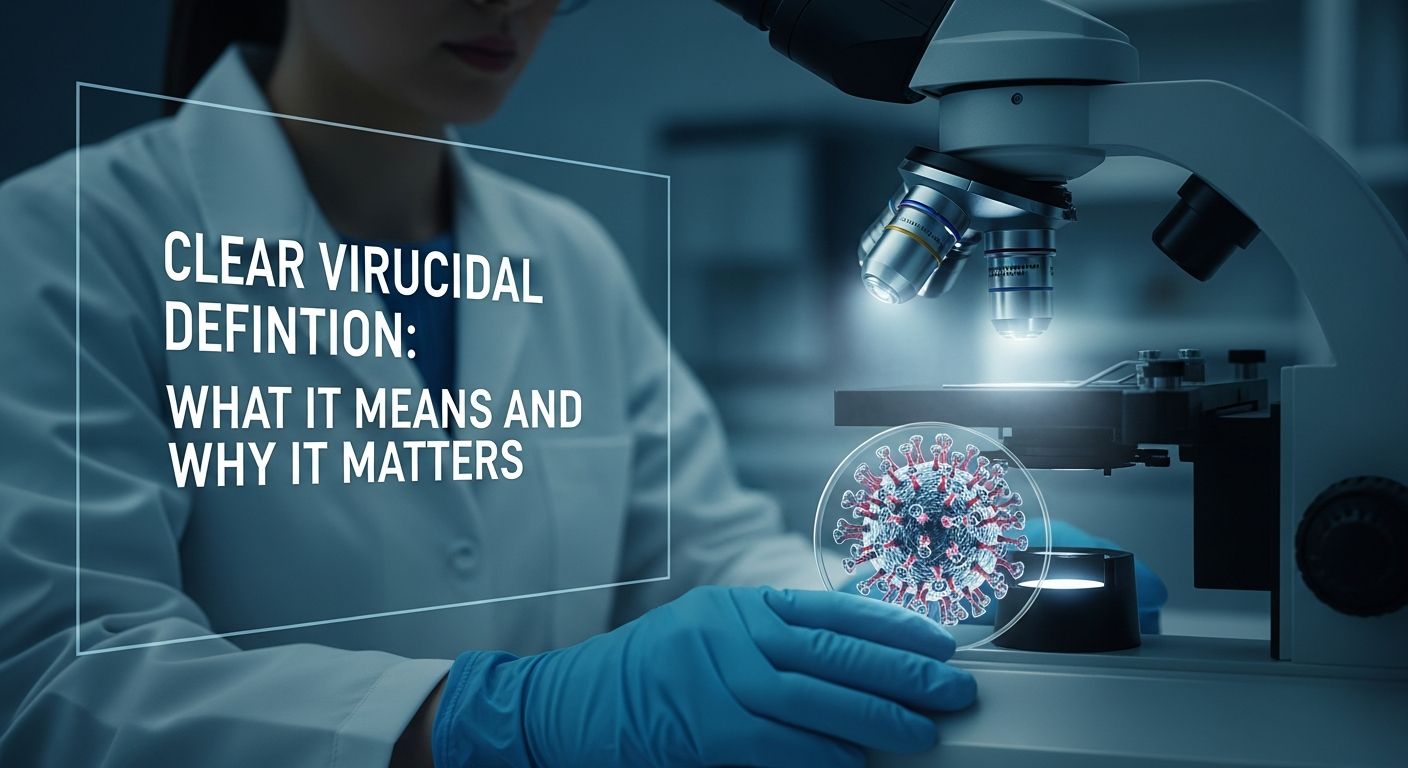
Virucidal refers to substances or agents that kill or permanently deactivate viruses, which helps stop the spread of these viruses on surfaces, in equipment, or in other environments. The use of virus-inhibiting products will promote hygiene, stop the transfer of viruses, and protect public health in homes, hospitals, and other workplaces.
Virucidal agents can break down viruses' structural components (e.g., proteins, membranes, and genetic material), ultimately causing them to no longer be able to infect. While virucidal products are most popularly seen in the disinfectant/sanitizer markets, innovations in biologically-based practices and sustainable, environmentally-friendly technologies for controlling viruses are having an effect on the types of solutions developed today
Examples of biologically-based practices include pest and microbial control methods using products made from neem and other microbial biological agents. As the awareness of hygiene and disease prevention continues to increase, it is critical to understand the virucidal definition with regard to the selection of safe, effective, and sustainable methods for protecting oneself from harm caused by viruses.
Understanding Virucidal Definition: Breaking Down the Term
By definition, the term virucide refers to agents (products or substances), which are the ability to permanently destroy or inactivate viruses. Virucides are found wherever we have hygiene requirements (ie: clinical settings, farms, public places, and homes).
Understanding how virucides work and how they operate will assist consumers in selecting proper hygiene products and disinfecting products.
What Does Virucidal Mean?
Virucidal means "to kill virus"; it combines the terms 'virus' and '-cidal' (to kill). Therefore, virucidal agents are products that will effectively eliminate the virus by destroying either the outer coating or by damaging the genetic material of a virus.
Characteristics of a Virucidal Agent
- Completely destroy or deactivate viruses by using something to destroy or deactivate them.
- Prevent viruses from replicating and spreading.
- Used on surfaces, tools, equipment, and environments.
- An important part of sanitation and preventing infection.
The definition of virucidal is especially important in healthcare and public sanitation, where it is essential to prevent viral contamination.
Virucidal vs Antiviral: Key Differences
Both virucidal and antiviral are often misunderstood but both serve a unique purpose.
Virucidal Products:
- They work on the outside of surfaces and objects.
- They actually kill viruses directly.
- They are generally disinfectants or sanitizers.
Antiviral Products:
- They are used in the body (inside of living organisms) to treat or cure viral diseases.
- They slow or stop the growth and replication of viruses.
- They usually are medications or other types of treatments.
Being aware of the distinctions can provide the consumer with a better understanding of what virucidal is and what products to use as virucidal products.

Common Virucidal Substances and Agents
Products that contain virucidal ingredients aid in the effective removal of viruses.
Here are some of the widely used virucidal products found in many homes today:
Commonly Used Virucidal Agents
- Alcohol-based disinfectants
- Hydrogen peroxide
- Chlorine
- Quaternary ammonium compound (QAC) disinfectants
In addition to the above products, there are also newer technologies that are environmentally safe and based on natural mechanisms are having an effect on cleaning methods today.

How Virucidal Agents Work: The Science Behind Virus Destruction
To understand the virucidal definition as well as why virucidal products are critical to the prevention of infection and good hygiene, one has to have a basic knowledge of the science of virucidal agents.
Virucides are chemicals that are specially formulated to eliminate or inactivate viruses on surfaces, equipment, and in the environment. Using both chemical and biological processes, virucides help to reduce the spread of viruses and to enhance the overall public health of our communities.
Mechanisms of Virucidal Action
The mechanism of action of a virucide is accomplished by attacking one or more critical components of a virus, thus making it impossible for the virus to survive or replicate.
Common actions that lead to the virucidal effect include:
- Destruction of the outer membrane of the virus.
- Destruction of viral proteins and enzymes.
- Destruction of viral RNA or DNA.
- Prevention of virucidal attachment to a surface or host cell.

Virus Inactivation and Surface Protection
Viruses are commonly destroyed with the use of virucidal products to eliminate the potential for cross-contamination in a number of locations such as homes, schools, hospitals and businesses.
How Protection of Surfaces Works:
- When touched, the virus is neutralised
- Surface which may have been previously contaminated, become safe to touch
- The risk of passing viruses through touch is reduced
- Overall public hygiene will be greatly improved
During outbreaks and pandemics, where disinfecting products are very important for controlling the spread of infection, having a clear understanding of what viricidal means is essential.

Biological Approaches and Biopesticide Innovations
Scientific research has been moving toward finding environmentally friendly and biologically based methods of controlling viruses and microorganisms.
There are several emerging innovations such as:
- Antimicrobial compounds derived from natural sources;
- Disinfectants from plant sources;
- Microbial control systems based on a "biopesticide" model; and
- Eco-friendly biodegradable virucides.
Biopesticides would include products made using neem oil and microbial-based products for pest management in sustainable agriculture and the environment.

Common Virucidal Products and Their Applications
It is important to understand the different types of virucidal products to help define what virucidal means in a practical way. Virucidal products are used frequently in health care, the home, industry and public facilities and are intended to kill viruses and reduce the likelihood of the transmission of contamination.
Examples of virucidal products include various types of disinfectants (strong chemical) to environmentally friendly, biological innovations developed from biopesticides.
Virucidal Disinfectants and Cleaners
Virucidal disinfectants are specific products that help to kill viruses that are present on surfaces and/or equipment.
Some common types of virucidal disinfectants include:
- Alcohol sanitizers
- Hydrogen peroxide disinfectants
- Chlorinated cleaning products
- Quaternary ammonium compounds
These products are essential in preventing the spread of infection and promoting the general health of the population because they support the overall goal of the virucidal definition of efficiently killing pathogenic (harmful) viruses.

Household and Hospital-Grade Virucidal Products
There are two types of viruses; both the type found at home and in hospitals can be effectively destroyed with the correct amount of an approved virucidal agent.
HPV at home can be destroyed on all of the following surfaces:
- Kitchens.
- Bathrooms.
- Electronics or items that are used daily.
- Hand sanitizing products.
HPV that is found in hospitals can be effectively destroyed on the following surfaces:
- Surgeries.
- Rooms occupied by patients.
- ICU.
- Medical laboratories.

Eco-Friendly and Biopesticide-Based Solutions
The growing awareness of our environment has led to increased development of sustainable virucidal products that are based on biological and natural systems.
Innovation in virucidal products that are environmentally safe:
- Disinfectants made from plants
- Sanitizing agents that can decompose naturally
- Natural anti-bacterial extracts
- Biological technology that utilizes the same principles as a biopesticide
One form of biopesticide could be neem-based biological products as well as microbial control agents for an improved sustainable way of managing our environment.

Why Understanding Virucidal Definition is Crucial for Health and Safety
Understanding the virucidal definition is essential in order to protect and promote public health, reduce the transmission of diseases, and improve sanitation practices at home, hospital settings, work sites, and in public areas. Virucidal agents play a vital role in preventing the spread of infectious disease by eliminating potentially harmful human viruses prior to their entry into others’ systems.
Innovative ideas for developing green products have emerged with an increase in the use of alternative solutions, specifically bio-based and/or biopesticides, to develop new types of disinfectants in an environmentally responsible manner.
Importance in Infection Prevention and Public Health
Virucidal products are vital to the control of the spread of infectious disease by killing viruses from contaminated surfaces/areas.
The benefits of virucidal protection include:
- Decreased transmission between people;
- Cleaner environments;
- Supporting health facility and hospital hygiene; and
- Protecting those with decreased immunity.
Virucidal products become even more important in high public contact areas where the risk of contamination is greater.

Role During Pandemics and Viral Outbreaks
Virucidal products play a valuable function in combating contamination and assisting communities in being safe throughout an outbreak or pandemic.
By using virucidal agents throughout an outbreak, one is able to:
- Disinfect high-traffic areas
- Reduce virus survival rates
- Help create an environment that supports the sanitizing systems within the healthcare system.
- Reduce a person's exposure to the virus by limiting contact with other people or objects infected with the virus.
If you have a good understanding of the virucidal definition you will know what products to use to kill viruses properly.
Virus Prevention Through Effective Disinfection
Disinfection with an effective product is among the best practices to reduce viral contamination and disease spread.
Best Practices to Prevent the Spread of Viruses:
- Perform routine cleaning of all frequently touched surfaces
- Use products that are certified as virucidal
- Follow the instructions for use on the product
- Maintain good hygiene practices
Neem-based biopesticides and other microbial agents are examples of biopesticide products that may be utilized to achieve eco-friendly environmental management. Biopesticide-type products are impacting advanced disinfection technologies in like manners to other sustainability-related concepts.

How to Choose Effective Virucidal Products
The proper selection of a viricidal (virus-killing) product is key to ensuring safety, cleaning and infection control. Knowing what constitutes a viricidal product will help consumers to find products that kill (or permanently disable) a virus versus merely cleaning a surface.
Given that there are so many disinfecting and sanitizing products on the market, the ability to judge the viricidal effectiveness, certification and environmental impact will become even more critical.
Understanding Virucidal Efficacy and Certifications
Viricidal efficacy refers to the extent to which a viricidal product works to eliminate or completely destroy viruses under specified conditions.
Viricidal efficacy testing takes into account multiple factors with respect to the active ingredient contained in the product, including:
- Contact time
- How many different types of viruses can the product kill
- The method of laboratory testing used
Viricidal products that are certified by reputable agencies (e.g., the EPA and WHO) or through laboratory testing are usually supported by scientific testing.

Reading Labels and Product Claims Carefully
The primary goal of any virucide is to kill or remove the virus from surfaces.
The characteristics of a virucide can be determined by:
- Active ingredients used
- Contact time
- Spectrum of viruses killed; and
- Test methods used in laboratory settings.
Certifications by regulatory agencies and/or scientific organizations are conducted on virucides prior to distribution, to ensure their effectiveness.
Choosing Safe and Environmentally Responsible Options
Consumers today want to use affordable and effective eco-friendly products that will also protect their environment.
Some characteristics of eco-friendly virucidal solutions:
- Biodegradable solutions
- Lower levels of toxicity from chemicals
- Safer indoor air quality
- Sustainable production practices
Some biological innovations that arose from a biopesticide methodology are driving innovation and development of greener cleaning products.
Virucidal Technologies and the Future of Safer Disinfection
As companies improve their sanitizing protocols over time, the emergence of new sanitizing options that are more effective and safer will help us move toward a better world with more sustainable, safer, and higher-performing hygiene solutions than ever before. The virucidal definition is fast-growing in importance as new innovations blend scientific developments with environmentally responsible disinfection methods through innovative products and processes.
With everything from new formulations to biological concepts based on the bacteria- and other living organisms-based pest control industry (biopesticides), the trends in the future of the virucidal industry is leaning towards more efficient, productive, and environmentally friendly disinfection solutions.
Innovations in Virucidal Formulations
As the virucidal industry is constantly changing and evolving, there are many advancements in the way these products are made to be more efficient, effective, and safe and to have fewer health and environmental risks than the previous generation of products.
The following provides a list of some major developments in the production of virucidals:
- Rapid-action disinfectants
- Enhanced Long-lasting surface protection
- Low toxicity formulations
- Nanotechnologies for virucidal products
- Alcohol-free disinfectants for sensitive applications
The above-mentioned technologies provide a practical application of the virucidal definition by enabling enhanced virus elimination and increased user safety, thereby enhancing the user experience.
Sustainable Virus-Control Solutions
The increasing importance of sustainable development will drive future research into new forms of disinfectant.
Characteristics of Eco-Friendly Components:
- Biodegradable Ingredients
- Reduced toxicity to the environment
- Renewable raw materials
- Eco-Friendly Packaging
Current research trends indicate that natural and plant-based products may provide effective virus prevention while promoting environmental sustainability.

Integration of Biopesticide Concepts in Hygiene Technologies
Due to the increased focus on biological and agricultural advancement, there is also an increased use of hygiene technologies that are influenced by these advancements.
The integration of biopesticide concepts into hygiene technologies can be found in the following areas:
- Natural antimicrobials
- Plant-based disinfectants
- Microbially controlled technologies
- Biobased sanitation systems
Examples of biopesticides include neem-based biopesticidal products and microbial-based biocontrol agents that are used for sustainable agricultural pest management and environmentally friendly pest management.

FAQs
Q1. What is the virucidal definition?
The virucidal definition refers to substances or agents that can destroy or permanently deactivate viruses on surfaces and environments.
Q2. How do virucidal agents work?
Virucidal agents damage viral membranes, proteins, or genetic material, making viruses inactive and unable to spread.
Q3. What is the difference between virucidal and antiviral?
Virucidal products destroy viruses externally on surfaces, while antiviral agents work inside the body to slow or stop viral infections.
Q4. Are virucidal products safe for everyday use?
Yes, most certified virucidal products are safe for daily use when applied according to label instructions and safety guidelines.
Q5. What is an example of biopesticide?
Neem-based products and microbial biological agents are common examples of a biopesticide used in sustainable agriculture and environmental management.
Conclusion: Embrace the Power of Virucidal Agents to Protect Yourself and Others
In today’s world, understanding the virucide definition is vital as clean environments, safe places to share, and protecting public health through infection control become more of a global focus. The use of virucides to kill viruses on surfaces, inside environments, and while having contact with people is important because they help reduce the likelihood of spreading an infection, thus improving public safety. Virucidal products will also help maintain for longer periods of time, creating cleaner, healthier places to live, work, or go to school.
Recent advances in virucidal technology have opened many doors to developing safer, more environmentally friendly virucides. Biological innovations are inspired by microbial pest control products that create novel, green disinfectants which will give even stronger protection against viruses yet do not harm the environment. Products derived from biopesticides such as neem and microbial products will provide biocontrol of pathogens and encourage sustainable management of our planet’s natural resources.
Choosing effective, quality products that contain virucides, practicing good hygiene, and supporting environmentally responsible technology will enable people and organizations to promote stronger public health and community safety. By sharing in the virucidal power of creating a healthier and cleaner world today, you are taking a proactive step to creating a healthy, clean, and resilient future.
