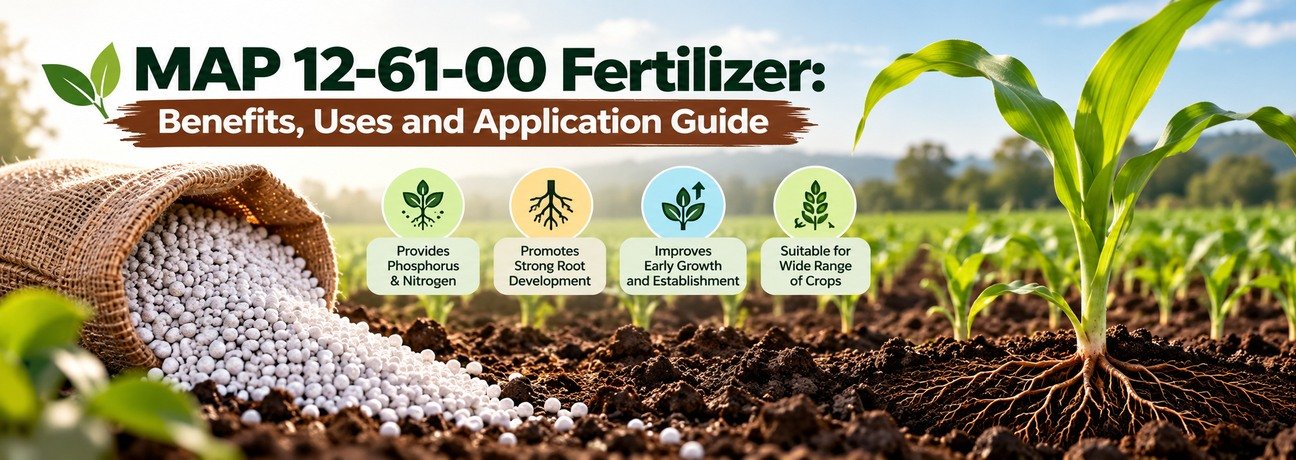
MAP 12-61-00 Fertilizer: Benefits, Uses and Application Guide
MAP 12-61-00 fertilizer, also known as mono ammonium phosphate, is a highly water-soluble phosphorus fertilizer that supplies nitrogen and a concentrated dose of phosphorus. It is commonly used when crops need strong early root development, rapid establishment, and dependable phosphorus availability through fertigation or foliar nutrition programs.
Because MAP 12-61-00 contains no potassium, it is best used as one part of a balanced crop nutrition plan rather than as a complete fertilizer by itself. This guide explains what MAP 12-61-00 is, how it works, where it fits in crop nutrition, when growers typically use it, and the practical precautions that matter during application.
What Is MAP 12-61-00 Fertilizer?
MAP stands for mono ammonium phosphate. A typical 12-61-00 grade contains approximately 12% nitrogen and 61% phosphate expressed as P2O5, with no potassium. The product is valued for its high phosphorus concentration and excellent water solubility.
In crop nutrition, MAP is generally used where phosphorus demand is relatively high compared with nitrogen demand. It is especially useful in water-soluble fertilizer programs, including drip irrigation, fertigation, protected cultivation, and selected foliar applications where the label allows.
Why Phosphorus Matters in Crop Growth
Phosphorus is one of the three primary macronutrients required by crops. Although plants need it in smaller quantities than nitrogen in many situations, phosphorus is essential for energy transfer, root development, cell division, flowering, and reproductive growth.
Supports early root development
Phosphorus is closely associated with root initiation and early crop establishment. Adequate phosphorus availability during the first stages of crop growth can help plants develop a stronger root system and establish more uniformly.
Supports energy transfer inside the plant
Phosphorus is part of compounds involved in energy transfer within plant cells. This makes it important for active growth, metabolism, and the development of new tissues.
Supports flowering and reproductive development
Phosphorus is also important during flowering and the early reproductive phase. However, successful flowering and fruiting still depend on a balanced supply of nitrogen, potassium, calcium, micronutrients, water, and suitable environmental conditions.
Benefits of MAP 12-61-00 Fertilizer
The strongest reason to use MAP 12-61-00 is its combination of high phosphorus content and water solubility. When matched to crop need, it can offer several practical benefits.
- High phosphorus concentration: useful when phosphorus demand is high or when a high-phosphorus soluble fertilizer is required.
- Supports crop establishment: phosphorus is especially important during early root and vegetative development.
- Water soluble: suitable for many fertigation and drip-irrigation programs.
- Supplies some nitrogen: the ammonium nitrogen fraction contributes to the total crop nitrogen program.
- Flexible application: depending on the product label, it can be used through fertigation and in some foliar programs.
- Compatible with staged nutrition: useful in fertilizer schedules where nutrient ratios change with crop growth stage.
MAP 12-61-00 vs. DAP Fertilizer
MAP and DAP are both phosphate fertilizers, but they differ in nutrient composition and behavior. DAP generally contains more nitrogen and less phosphorus than a 12-61-00 MAP grade, while MAP provides a more phosphorus-focused nutrient ratio.

When to Use MAP 12-61-00 Fertilizer
MAP 12-61-00 is usually most useful when the crop needs a strong phosphorus supply without a large amount of additional nitrogen or potassium.
During early crop establishment
Early growth is one of the most common stages for high-phosphorus fertilizers. Young crops benefit from adequate phosphorus near the active root zone, particularly where soil phosphorus availability is limited.
Before or around flowering
In some crop programs, a high-phosphorus fertilizer is included before or around flowering because phosphorus supports reproductive development. The correct timing and concentration should still follow crop-specific recommendations rather than a universal schedule.
In protected and precision cultivation
MAP is frequently used in drip, greenhouse, and protected-cultivation programs because soluble fertilizers can be delivered in measured amounts through irrigation systems.
How to Use MAP 12-61-00 in Fertigation
Fertigation allows soluble nutrients to be delivered with irrigation water directly to the root zone. This can improve application precision and makes it easier to split fertilizer doses across the crop cycle.
Good fertigation practice includes:
- Calculate the crop's total phosphorus and nitrogen requirement first.
- Use a fertilizer grade suitable for fertigation and confirm complete solubility.
- Dissolve the fertilizer fully before injection into the irrigation system.
- Apply smaller split doses when appropriate instead of one excessive application.
- Monitor irrigation-water quality, pH, and electrical conductivity where relevant.
- Flush irrigation lines according to the system's operating procedure.
Can MAP 12-61-00 Be Used as a Foliar Spray?
Many water-soluble MAP products are marketed for foliar use as well as fertigation. Foliar application can provide a direct nutrient route through leaf surfaces, but the correct concentration is important because excessive salt concentration can cause leaf injury.
Always check the product label before foliar application. Spray under suitable weather conditions, avoid severely stressed crops, and confirm tank-mix compatibility before combining MAP with pesticides, micronutrients, or other fertilizers.
Signs of Phosphorus Deficiency in Crops
Phosphorus deficiency can reduce crop establishment and limit growth, but symptoms vary among species and environmental conditions. Common signs may include:
- Slow or stunted growth
- Poor root development
- Delayed crop maturity
- Dark green foliage
- Purple or reddish pigmentation in some crops
- Reduced flowering or reproductive performance in severe cases
Cold soils, root damage, unsuitable pH, compaction, or excess moisture can also reduce phosphorus uptake even when phosphorus is present in the soil. A soil or tissue test is therefore more reliable than visual symptoms alone.
Mixing and Compatibility Considerations
Water-soluble fertilizer compatibility matters in concentrated stock solutions. MAP is a phosphate fertilizer, so it should not be mixed in the same concentrated stock tank with calcium-rich fertilizers when precipitation is likely.
In fertigation systems that use multiple fertilizer tanks, calcium-containing products are commonly kept separate from concentrated phosphate fertilizers. Always follow product-specific mixing instructions and conduct a compatibility test if there is any uncertainty.
Common MAP 12-61-00 Application Mistakes
Using high phosphorus when the crop does not need it
More phosphorus does not automatically produce better growth. Excessive fertilizer can waste money, disturb nutrient balance, and increase the risk of nutrient losses.
Ignoring the nitrogen contribution
MAP also supplies nitrogen. That nitrogen should be included when calculating the crop's full-season nitrogen program.
Using MAP as a complete fertilizer
MAP 12-61-00 does not contain potassium and does not supply all secondary nutrients or micronutrients. It must be integrated with the rest of the crop's nutrient requirement.
Applying concentrated mixtures without checking compatibility
Phosphate-containing fertilizers can react with calcium-containing inputs. Poor mixing practice can create precipitates that reduce nutrient availability or clog irrigation equipment.
Best Practices for Better Results
For practical and economical use, MAP 12-61-00 should be applied according to agronomic need rather than routine habit.
- Test the soil or crop where possible. Confirm whether phosphorus is actually limiting.
- Match the fertilizer to the crop stage. High-phosphorus formulations are often most relevant during establishment and selected reproductive stages.
- Account for all nutrients. Include MAP's nitrogen in the overall fertilizer calculation.
- Choose the right application system. Use fertigation, foliar feeding, or soil application according to product guidance.
- Check compatibility. Separate incompatible concentrated fertilizer solutions.
- Follow the label. Crop, formulation, water quality, and local conditions affect the correct rate.
Sourcing Water-Soluble Fertilizers from Bulkagrochem
Bulkagrochem supplies agricultural inputs for growers, distributors, formulators, and other bulk buyers. When evaluating a high-phosphorus fertilizer such as MAP 12-61-00, buyers should compare nutrient specification, solubility, intended application method, packaging, and required quantity before ordering.
For ordering guidance, visit How to Order from Bulkagrochem. For bulk pricing, availability, and product-specific enquiries, use the Bulkagrochem contact page.
Frequently Asked Questions
1. What is MAP 12-61-00 fertilizer?
MAP 12-61-00 is a mono ammonium phosphate fertilizer grade that supplies nitrogen and a high concentration of phosphorus, with no potassium.
2. What is MAP 12-61-00 mainly used for?
It is commonly used for early root development, crop establishment, high-phosphorus growth stages, fertigation, and other water-soluble fertilizer programs.
3. Is MAP 12-61-00 suitable for drip irrigation?
Water-soluble MAP grades are widely used in fertigation and drip-irrigation systems when the product is suitable for that application and used at the recommended concentration.
4. Can MAP 12-61-00 be sprayed on leaves?
Many water-soluble MAP products can be used as foliar sprays, but the correct rate and crop suitability must be confirmed from the product label.
5. Does MAP 12-61-00 contain potassium?
No. The final “00” indicates that the formulation does not supply potassium as K2O.
6. Can MAP be mixed with calcium nitrate?
Concentrated MAP and calcium nitrate solutions should generally be kept in separate stock tanks because phosphate and calcium can react and form insoluble precipitates.
7. Is MAP 12-61-00 a complete fertilizer?
No. It supplies nitrogen and phosphorus but no potassium, and it does not provide every secondary nutrient or micronutrient needed by crops.
Conclusion
MAP 12-61-00 fertilizer is a useful high-phosphorus, water-soluble nutrient source for crops that need strong phosphorus support during establishment or other selected growth stages. Its combination of soluble phosphorus and ammonium nitrogen makes it well suited to precision feeding programs, especially fertigation.
The best results come from using MAP according to actual crop need. Check soil or plant status, account for the nitrogen it contributes, avoid incompatible concentrated mixtures, and combine it with potassium and other required nutrients as part of a complete fertilizer program.
Need MAP or other agricultural inputs in bulk? Contact Bulkagrochem for product availability, bulk requirements, and purchasing support.