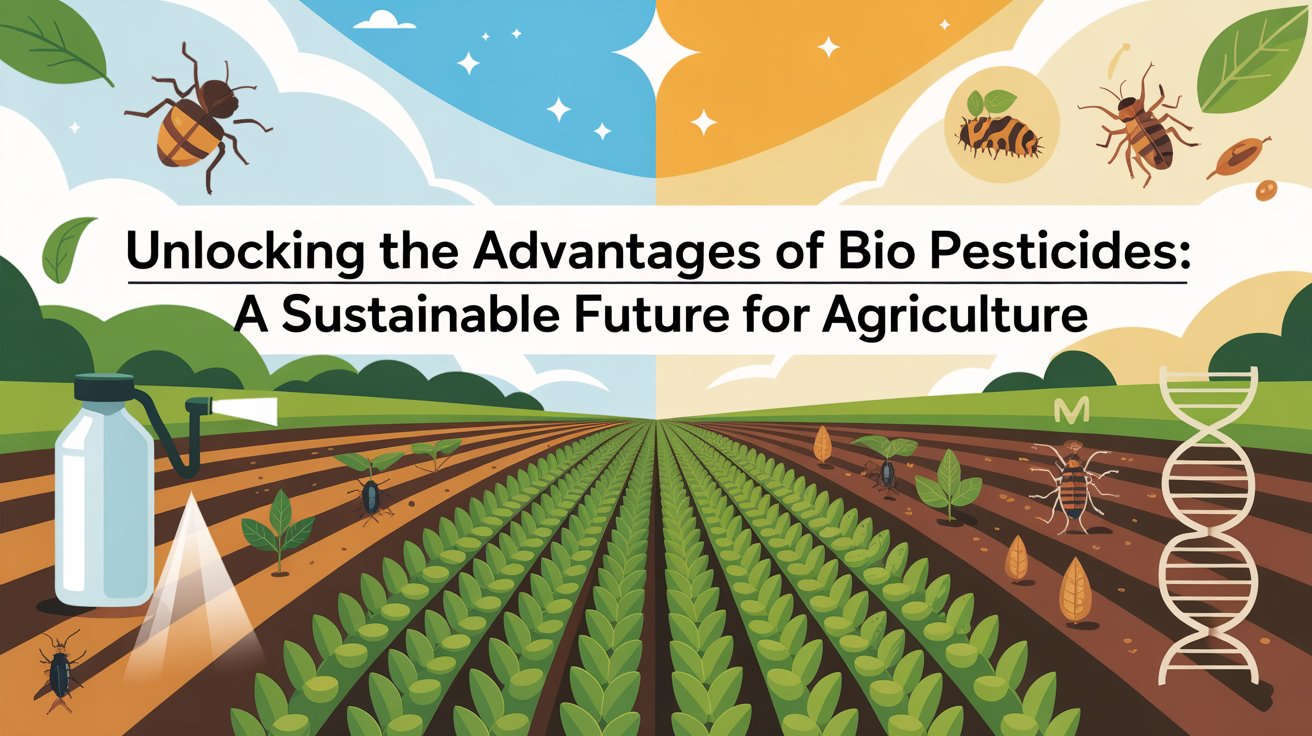
Bio pesticides are naturally derived products that are environmentally friendly and can be used by agricultural producers, growers, and others for pest management while minimizing chemical use.
The benefits of bio pesticides are having safer and reduced residues of pest products on food crops, along with increasing populations of beneficial/important insects, and promoting soil health.
Biopesticides provide targeted IPM solutions, allow for more yield and quality on crops that are increased sustainably, and will help shape the future of sustainable agriculture to be greener.
Farmers can protect their crops from pest damage, provide a safe and healthy environment, and maintain a sustainable agriculture system for the long-term by identifying and using the correct bio pesticides.
The Key Advantages of Using Bio Pesticides in Agriculture
Bio pesticides are natural, safe and environmentally friendly. They can help farmers effectively manage pest populations. Bio pesticides, when used, can reduce reliance on chemical control strategies and safeguard environmental health while allowing crops to remain healthy. The benefits of bio pesticides make them a popular choice for sustainable agriculture and modern farming.
There are many benefits of bio pesticides, including the ability to target a specific pest population, minimal harm to non-target organisms, and their compatibility with integrated pest management systems. By using biopesticides in agriculture, farmers can increase crop production, have a safer food supply, and protect and rebuild soil and ecosystem health for the long term.
Targeted Pest Control for Effective Crop Protection
The targeted use of bio pesticides is among their greatest advantages—they will affect specific pests while not harming beneficial insects or the surrounding ecosystem. Unlike chemical pesticides, which can affect multiple species and landscapes of insects, bio pesticides are reasonably specific and function based on natural mechanisms.
- Microbial Bio Pesticides: These bio pesticides use a bacteria, fungus, or virus to selectively infect a pest.
- Biochemical Bio Pesticides: These bio pesticides from natural compounds such as pheromones, or visit extracts, that have a way of disrupting pest behavior, disrupting pheromones emission for reproduction and pest behavior.
- Botanical Bio Pesticides: These bio pesticides do not affect pests, but repel or control pests using plant based extracts, such as neem oil, or pyrethrum.

By using bio pesticides, farmers get crop protection and have no collateral damage that chemical treatments can produce. Bio pesticides are the natural solution for sustainable farming.
Compatibility with Integrated Pest Management (IPM)
Utilizing bio pesticides also offers the ability to use bio pesticides in conjunction with Integrated Pest Management (IPM) approaches. Agricultural bio pesticides can be used in conjunction with natural, cultural, mechanical, and/or biological controls to ensure that the pest management approach is practical and will minimize their chemical use through various controls.
- IPM Integration: bio pesticides can be used in conjunction with natural (predators), cultural (crop rotation), and again, with mechanical options (physical barriers) in IPM.
- Reduced Chemical Use: incorporating bio pesticides with natural and cultural pest controls again can lead the farmer to less synthetic pesticides.
- Overall Sustainability: the use of bio pesticides with cultural, natural, and mechanical all build biodiversity, and can ultimately achieve better crops and soils over time.

incorporating bio pesticides in IPM programs will be a tool for farmers to deal with the pest effectively and efficiently as well as with limited environmental impact that encourages sustainable agriculture while keeping the quantity and/or safety of crop production.
Enhancing Soil and Crop Health Naturally
One of the key benefits of bio pesticides is the natural management of pests while enhancing both soil health and crop vigor. In contrast to chemical pesticides, which degrade soil health and negatively impact beneficial microorganisms, bio pesticides preserve the farm environment in a more ecological equilibrium.
- Encouragement of Beneficial Microorganisms: Microbial bio pesticides help to introduce or maintain beneficial bacteria and fungi in the soil, thereby promoting nutrient cycling and soil fertility.
- Stimulate Plant Vigor: Certain bio pesticides encourage plant growth and enhance natural plant defenses, strengthening the crop against pests.
- Reduction of Soil Contamination: Bio pesticides are less toxic, are biodegradable, and do not contribute to the accumulation of harmful residues to the soil, allowing for long-term soil and crop health.

Bio Pesticides vs. Chemical Pesticides: A Comparative Analysis
Biopesticides are nature-based, environmentally responsible control tools. Chemical pesticides are synthetic, and generally harmful to the environment and to non-target organisms. Recognizing these distinctions helps yield the benefits of biopesticides as a natural component of sustainable agriculture. Biopesticides allow farmers to maintain ecological health in the environment, while still providing effective management of arthropod pests.
Environmental Impact and Biodiversity Preservation
The environmental impact of bio-pesticides and chemical pesticides is one of the major differences that separates the two.
- Bio-Pesticides: With their biodegradable properties and their specificity to the target pest, bio-pesticides greatly reduce contamination of the environment (soil and water), and protect beneficial organisms from harm.
- Chemical Pesticides: If they ever even degrade at all, their persistence in soil and water can negatively affect pollinators, multiple predators, and other non-target species, ultimately leading to reduced biodiversity.

Farmers choosing to use bio-pesticides will create a more sustainable method of pest management and protect the ecosystem.
Safety for Farmers, Consumers, and Non-Target Organisms
Bio pesticides are less harmful to people and animals than chemical pesticides.
- Farmers: Fewer toxic chemicals will lower the risk of respiratory, skin and chronic health effects.
- Consumers: Less harmful residues are found on crop surfaces treated with bio pesticides, which is safer food.
- Non-Target Species: Pollinators, beneficial insects and wildlife are unharmed, contributing to their local ecosystem.
This safety makes bio pesticides an important option for sustainable agricultural practices.
Reduced Pest Resistance and Improved Ecosystem Health
Overapplication of chemical pesticides typically results in resistance by pests, leading to stronger and more frequent use of chemicals. Bio pesticides mitigate that risk, specifically targeting pests and preventing resistance from developing, naturally and more selectively.
- Target mechanism: Microbial, biochemical, and botanical bio pesticides will affect only certain specific pests and minimize resistance.
- Benefits to ecosystem health: Bio pesticides preserve soil fertility, protect the population of microbes, and preserve populations of natural pest predators.
- Long term sustainability: Reduces the need for repeated chemical applications and encourages agricultural ecosystems to be heterogeneous.

How Bio Pesticides Enhance Crop Yield and Quality
Bio pesticides are a natural and efficient way to help control pests while enhancing crop quality and quantity. Rather than chemicals that impact the soil itself or affect non-target organisms, bio pesticides provide a sustainable alternative. Using categories of bio pesticides in agriculture empowers farmers to grow healthier crops, limit losses, and increase production while protecting the environment.
Maintaining Crop Health Through Natural Solutions
Biopesticides support the health of crops by keeping them away from injury by pests, sustaining beneficial organisms.
- Microbial Biopesticides: Uses bacteria, fungi, or viruses to limit pest populations.
- Botanical and Biochemical Biopesticides: Repel or inhibit pests allowing the plant to survive.
- Benefits: Healthier plant growth that lowers fungal disease and improving leaf structure that improves photosynthesis capabilities.
Farmers can grow more robust, resistant crops that work with nature, through the use of biopesticides in agriculture.
Reducing Post-Harvest Losses with Bio Pesticides
Damage from pests begins long before harvest, and even beyond the field, post-harvest losses can severely compromise crop yields.
- Precision Protection: Bio pesticides will control pest populations during the growth phase, leading to decreased damage to fruits, vegetables, and grains after harvest.
- Sustainable Storage Solutions: Some bio pesticides will prevent storage pests from contaminating fruits and vegetables.
- Benefits: Increased marketable yield Better quality Reduced loss of value of crops.

Boosting Productivity While Reducing Chemical Dependency
Utilizing a variety of biopesticides enables growers to yield higher quantities without the overuse of chemical pesticides.
- Sustainable Pest Control: Natural pest services provide an environment to grow crops with consistent growth potential while protecting the ecosystem.
- Improved Crop Yield: Healthy crops allow the grower to harvest larger volumes of quality produce for their marketplace.
- Reduced Chemical Inputs: Less chance for agricultural chemicals to run off into soil and water systems.
Using bio pesticides in a multi-faceted and strategic manner in farming practices provides the potential for better yield, better quality food products, and a safe, environmentally sound way of managing modern agriculture.
The Environmental and Health Benefits of Switching to Bio Pesticides
There are many advantages for the environment and human health associated with using bio pesticides. Chemical pesticides could potentially cause long-term harm to the ecosystem and have ill effects on human health. Bio pesticides, harvested from natural sources, present less risk of human health effects, and directly target harmful pests . Biopesticides enhance agriculture's sustainability by preserving ecosystems, farmers, and consumers.
Minimizing Environmental Contamination
Bio pesticides are biodegradable and break down naturally, reducing soil and water contamination.
- Selective Targeting: Only pests are affected, leaving non-target organisms unharmed.
- Reduced Chemical Load: Eliminates the accumulation of toxic residues in soil and water.
- Sustainability: Helps maintain soil fertility and ecosystem balance over the long term.

Protecting Beneficial Insects and Wildlife
A significant benefit associated with biopesticides is the safety they provide to beneficial organisms.
- Pollinators: Beneficial organisms such as butterflies and bees are not harmed, allowing for beneficial crop pollination to continue.
- Natural Predators: Beneficial insects like ladybugs and spiders continue to provide pest control as biological agents.
- Wildlife: Toxic agent residues do not reach organisms such as birds, small mammals, and organisms in water.
The introduction of various types of biopesticides will contribute to ecological balance and biodiversity, which is essential for sustainable agriculture.
Ensuring Safe and Healthy Food for Consumers
Bio pesticides allow for safer food production by reducing chemical residue on food.
- Consumer Protection: Fruits, vegetables, and grains are safer to eat with little or no pesticide residues.
- Nutritional Value: Plants treated with bio pesticides are still healthy and have full nutrient value.
- Long-term health: The use of bio pesticides minimizes risks from synthetic chemicals, including hormone-mediated toxicity and diseases.
With bio pesticides, farmers are able to protect the environment, animals, and consumers from food potentially tainted with pesticides.
The Economic Benefits for Farmers Adopting Bio Pesticide Practices
Farmers realize substantial economic benefits in adopting bio-pesticides while building a sustainable agricultural system. Bio-pesticides decrease reliance on chemical inputs, improve crop health, and enhance profitability. Biopesticides used as IPM strategies in agricultural systems achieve long-term savings for farmers, allow greater access to the premium markets for 'organic' and 'sustainable' produce, and promote consumer health.
Reducing Input Costs and Dependency on Chemicals
A significant monetary advantage of biological pesticides is the reduction of chemical pesticide in your inputs.
- Reduced Cost of Chemicals: Biological pesticides help reduce the amount of expensive synthetic pesticides that you need.
- Decreased Repeated Applications: Effective pest control means you will need to re-treat your pesticide less than the chemical products.
- More Sustainability for Soil Biology: Healthier soils reduce the need for fertilizers and chemicals, also reducing costs.

Higher Returns Through Sustainable Crop Management
Utilizing bio pesticides enable crop yield and quality improvements that can directly provide better income for farmers.
- Healthier Crops: With less pest infestations and better resiliency, crops are able to increase yield and quality.
- High-end Markets: Organic and non-chemical crops can often be sold for higher prices.
- Consistent Production: Bio pesticides can stabilize the ecosystem, leading to more stable yield over time.
Economic Incentives and Market Advantages
Farmers using various biopesticide types can experience additional market and policy advantages. Examples include:
- Government Incentives: Some regions offer financial incentives to farmers for using environmentally sensitive pest management systems.
- Organic Certification: The success of biopesticides can lower barriers to entering the organic food and sustainable produce markets.
- Consumer Preferences: There is a growing demand for chemical-free products and sustainably grown food, which contributes to value-added products.
By employing biopesticides into farming practice, farmers can improve cost savings, crop quality, and potentially improve other economic measures to continue practicing sustainable agriculture
FAQs
Q1 What are the main advantages of bio pesticides?
Bio pesticides provide safe, eco-friendly pest control, reduce chemical residues, and support sustainable farming.
Q2 How do bio pesticides differ from chemical pesticides?
Bio pesticides are natural and target specific pests, whereas chemical pesticides are synthetic and often harm non-target organisms.
Q3 Are bio pesticides safe for farmers and consumers?
Yes, bio pesticides are generally non-toxic and safe for humans, animals, and beneficial insects.
Q4 Can biopesticides in agriculture improve crop yield?
Yes, they protect crops naturally from pests, improving growth, yield, and overall quality.
Q5 Which types of bio pesticides are most effective for sustainable farming?
Microbial, botanical, biochemical, and plant-incorporated protectants (PIPs) are effective for eco-friendly, sustainable pest management.
Q6 Can bio pesticides be integrated with other pest management strategies?
Yes, bio pesticides can be combined with integrated pest management (IPM) techniques for enhanced results.
Q7 Do bio pesticides reduce environmental contamination compared to chemical alternatives?
Yes, bio pesticides are biodegradable and minimize soil, water, and ecosystem pollution.
Conclusion: Embrace the Power of Bio Pesticides for a Greener Tomorrow in Agriculture
Utilizing biopesticides is a critical way to address the issue of sustainable, environmentally-friendly agriculture. The utilization of biopesticides, such as microbial, botanical, biochemical, and plant incorporated protectants (PIPs), can address pests and challenges while maintaining beneficial insects, soil health and the ecosystem as a whole.
Biopesticides have advantages from safe food productions, minimizing chemical residues, improving crop yield, and building a durable environment sustainably. Biopesticides not only help to shift the pest challenges in agriculture, but it also addresses a commitment to a greener future that promotes productive crops, sustains healthy soil, and a safer environment for our future generations.
Utilizing biopesticides today is a proactive approach to consider productivity among environmental stewardship resilient and sustainable agricultural systems.