

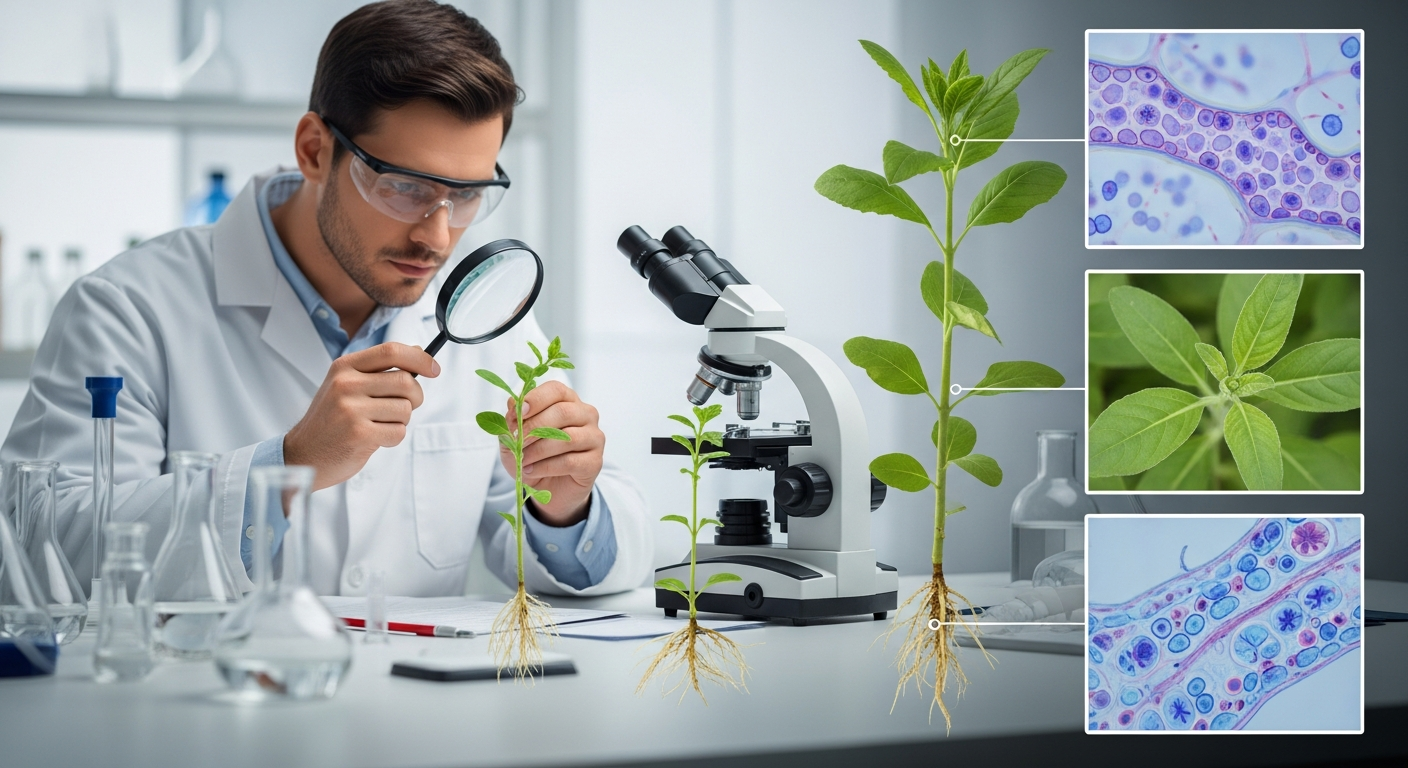
Plant-growth regulators (PGRs) serve as one of the most effective tools used by farmers and grower-producers around the world for managing plant health and optimizing crop production under various environmental and cultural conditions. They are utilized and applied throughout the production cycle; therefore, understanding their physiological impacts will allow for optimal crop productivity through the judicious use of PGRs.
Regulators also control important physiological functions including (but not limited to) cell division, stem elongation, movement of nutrients and hormones, and maintaining hormone balance. All of these processes ultimately factor into crop vigor and flower intensity and the overall quality of crops at harvest. Proper use and timing of PGRs can result in improved uniformity and efficiency in agricultural production.
PGR fertilizer applications provide agronomic support throughout all stages of crop growth, from germination to harvest maturity, for all types of agricultural crops including cereal grains, fruit, vegetables, and plantation crops, allowing the potential to achieve the highest level of productivity in an agricultural production setting.
Introduction to Plant Growth Regulators and Their Role in Plant Physiology
Plant growth regulators (PGRs) are chemicals that are either produced naturally or synthetically which affect how plants’ grow, experience physiological changes and develop healthy crops. Seed germination, root establishment, flowering, fruit set and ripening can all be regulated using plant growth regulators. Farmers use knowledge of how PGRs physiologically interact with a plant to increase efficiency, productivity and scientific precision in the management of crops.
PGRs produce substantial changes to both a plant’s metabolism and structural characteristics although they are applied at very low rates (as little as 1/1000 of a lb.). In modern agricultural production systems, fertilizers manufactured using PGRs or PGR-based fertilizers/hormones are commonly used to increase the efficiency of production and the quality of harvested crops and to improve the tolerance of crops to abiotic stress. The correct application of PGRs can facilitate balanced growth of crop plants under variable environmental conditions.
What Are Plant Growth Regulators and Their Functions?
Compounds called plant growth regulators can change how plants grow naturally by changing hormonal activity and development signals. They can be used to enhance root systems, promote shoot growth, help flowering respond properly to environmental cues, improve fruit size, and speed up crop maturity.
Key points:
- Regulate growth and development
- Promote rooting and vegetative growth
- Improve flowering and fruit set
- Assist in combating stress
- Increase yield quality and consistency

Understanding Phytohormones and Hormone Signaling
Hormones produced by plants called phytohormones regulate the responses of growth and survival. Phytohormones send signals within the plant both between roots, stems, leaves, and reproductive structures.
There are five types of phytohormones:
- Auxin stimulates cell elongation and root growth.
- Gibberellins cause stem growth and height.
- Cytokinins cause cells to divide.
- Ethylene regulates the ripening of fruit.
- Abscisic acid (ABA) is associated with the plant's response during times of drought or stress.
Importance of PGR Fertilizer in Modern Agriculture
PGRs (plant growth regulators) are applied in conjunction with fertilizers in today's modern agriculture system to provide nutritional support along with hormone regulation and ultimately enhance a crop's performance.
PGRs allow crops to exhibit improved responses during key growth phases, including rooting, flowering, fruiting, or recovery from diseases or environmental stresses.
Key benefits of applying PGRs include:
- More efficient use of plant nutrients
- Reduced time for crops to become established
- Enhanced flowering and fruit set
- Reduction of stress loss during crop growing season
- Increases in total yield sold on the market
How Auxins Influence Cell Elongation and Root Development
Auxins are among the most important plant hormones and are very important in the formation of the structure of a plant. In addition to this, they directly regulate cell elongation, initiation of roots and how plants grow toward a light source (directional growth response).
Many visible physiological effects that can be attributed to the effects that plant hormones have on plant growth are due to auxin activity (especially in the early part of vegetative growth). Managing auxins effectively increases the chance of successful root development, increases the vigour of seedlings and ultimately the strength of a crop will be improved.
Auxin Effects on Cell Elongation Mechanism
Auxin will stimulate the loosening of cell walls within the plant thus allowing for the expansion and elongation of the plant cell. This ability for cells to expand and elongate provides for the rapid growth of stems and shoots on immature or newly formed plants.
Key benefits of this process include:
- Encouragement of cell expansion
- Promotion of elongation of stems
- Support for plant vigor in early stages
- Improvement of canopy formation/structure
- Improvement in uniformity of crop stand.

Root Initiation and Development Enhancement
Auxins are very good for putting down new roots and having them grow more on the side. Prevalent uses for them include:
- Growth of new roots
- Growth of new roots from the sides
- Better chance of success when you do a transplant
- Better chance of using nutrients from the soil
- Roots are more secure and have a better grip on the ground
Tropism Responses Controlled by Auxins
Auxin hormones regulate directional growth reactions such as bending toward light and downward movement of roots. These actions allow for efficient capture of resources by plants.
Important Concepts:
- Phototropism directs the shoot toward light
- Gravitropism directs roots to grow down
- Increased efficiency of using light
- Enhances ability to penetrate into the ground
- Keeps the plant balanced

The Impact of Gibberellins on Stem Elongation and Seed Germination
Gibberellins are plant growth regulators that stimulate stem development, seed germination, and overall vigor in crops. Gibberellins help plants to grow tall, emerge quickly, and solidify their establishment in the early stages of growth. The physiological effects of plant growth regulators on crop development can be easily seen in these actions.
In modern day agriculture, gibberellin-based products and pgr fertilizers can be widely used to enhance stand establishment, plant height, and uniformity of growth. When properly used, gibberellins can dramatically improve the performance and productivity of crops
Role of Gibberellins in Stem Growth Stimulation
Gibberellins speed up extensiveness of the stem by helping cellular division and cellular expansion of the new growth or new tissue.
Gibberellins can be beneficial where these factors relate your crop to its height and canopy development.
Summary of Gibberellins:
- Internode Elongation
- Increase height of a plant
- Accelerate vegetative growth
- Maximize light absorption
- Increased uniformity in crop configuration

Breaking Seed Dormancy and Enhancing Germination
Giberellins are substances that aid in the growth of seedlings by awakening sleeping seeds. With the help of giberellins, sleeping seeds can use the food already contained in them to provide energy for seedlings as they grow.
Key Facts about Gibberellins:
- They assist in awakening a dormant seed
- Gibberellins speed up seed germination
- Gibberellins can help increase the vigor of seedlings
- Gibberellins promote uniform germination of seeds
- Gibberellins promote early root and shoot growth
Influence on Plant Metabolism and Development
The influence of gibberellins on the metabolism enhances metabolic function by promoting rapid tissue growth. Furthermore, some plants flower earlier because of gibberellins, resulting in increased speed of development.
Some important points include:
- Enzyme activation stimulated by gibberellin
- Encouragement of rapid tissue formation
- Encouraging the accumulation of biomass
- Encouragement of flowering in certain crops
- Encouragement of vigorous development
Cytokinins: Promoting Cell Division and Delaying Leaf Senescence
Plant Growth Regulators that promote plant cell division; that keep plants from losing their leaves; that create balance between plant root systems/stem/shoot systems; and also assist plants with extending their active growth cycle and therefore enhancing production.
With respect to the above reasons, many of today's modern fertilizers (including PGR) utilize cytokinin technology to promote improved vegetative growth, leaf health and improved movement of nutrients. All of these factors are representative of the physiological response of plant growth regulators on the plant by way of crop management.
Cytokinin Effects on Cell Division Regulation
Cytokinins beneficially assist in the production of new tissue (new shoots, new buds, and new leaves) and therefore are essential for the rapid growth of plants as well as the branching of plants.
Key Points:
- Stimulation of Cell Division
- Stimulation of Shoots
- Stimulation of Branching & Tillering
- Improvement of Leaf Expansion
- Improvement of Vegetative Vigor

Delaying Leaf Aging and Maintaining Chlorophy
Cytokinins prevent leaf senescence, extending chlorophyll levels, making them retain their green, active state for much longer.
Key points for
- maintain chlorophyll
- delay the yellowing of plant leaves
- lengthen photosynthesis
- improve the harvest appearance
- help to hold onto grain and fruit during filling.
Nutrient Mobilization and Growth Balance
Cytokinins assist with the transfer of nutrients to developing areas of the plant and assist in root-shoot balancing. This contributes to coordinated development.
Key Features:
- Enhances nutrient transportation
- Maintains a balanced development of both roots and shoots
- Increases sink strength in fruits/grains
- Improves recovery from stress
- Maintains a sound structure for the plant.

The Role of Ethylene in Fruit Ripening and Stress Responses
Ethylene is an important plant hormone and one of the main types of growth regulators that play a role in fruit ripening and maturity stages; it also acts as a stress signaling agent. Ethylene allows crops to respond to their environment in a timely manner.
In commercial agriculture, ethylene is commonly used to manage the timing and quality of produce, such as through post-harvest systems or pgr fertilizer programs. Ethylene can be controlled to increase the quality and timing of fruit harvested by a grower.
Ethylene Production and Fruit Maturation Control
As fruit matures, ethylene synthesis is increased naturally, inducing physiological processes leading to maturity like softening, color change, and aroma. Many climacteric fruits such as bananas, mangoes, and tomatoes are greatly influenced by this natural process of ethylene synthesis.
Research shows that:
- Ethylene initiates the fruit ripening process
- Ethylene promotes color development
- Ethylene enhances aroma and flavour
- Ethylene promotes uniformity in softening fruit tissue
- Ethylene assists in synchronized marketing of harvested fruit

Stress Signaling and Adaptive Responses
Ethylene acts as a messenger hormone and plays a role in how plants respond to stress conditions (floods, wounds, diseases, and temp. shock) by helping them regulate their metabolism and activate their defense pathways.
Key Points:
- Signals the presence of stress quickly
- Can activate defense mechanisms
- Can help recover from injury
- Coordinates the balance of hormones
- Can help survive under unfavorable growing conditions
Influence on Leaf Shedding and Aging
Ethylene will promote aging of the leaves and natural removal of leaves, flowers or old fruit.
This allows the plant to move energy toward developing or producing new growth (fruit).
- Promotes leaf drop on older leaves
- Supports thinning out of the fruit in certain crops
- Naturally removes the weaker flowers
- Aids in redistributing nutrients
- Regulates stages of the plant's life cycle.
Abscisic Acid's Function in Stress Tolerance and Seed Dormancy Maintenance
Abscisic Acid (ABA) is one of the main hormones involved in stress response and other Plant growth regulators. The importance of ABA lies in its role on many levels from helping plants tolerate drought stress, conserve water throughout its lifecycle and regulating seed dormancy to regulating growth when conditions are not conducive for optimal plant performance.
As such, the ABA pathways are important to modern agriculture because they allow crops to better tolerate moisture stress and produce higher quality seeds. Therefore both based on the synthetic use of plant growth regulators have significant physiological effects that increase resilience of agriculture based upon climate change.
Role in Drought Tolerance and Water Regulation
ABA enables plants to conserve water during times of drought or when exposed to heat or cold stress by promoting the closing of stomata, which reduces water loss from plant tissues that could lead to dehydration.
Summary of Benefits:
- Reduces Transpiration Loss
- Enhances Drought Survival
- Maintains Plant Water Balance
- Supports Recovery from Stress Later

Seed Dormancy and Growth Inhibition
The seeds stay dormant even though the seeds are fully developed until conditions are considered to be conducive for germination. ABA also inhibits the occurrence of any unnecessary growth when there are significant environmental stressors.
Important to remember:
- Maintains Seed Dormancy
- Prevention of Premature Sprouting
- Protects Viability of Seed
- Slows Growth When Conditions Are Severe
- Conserves Energy for Plant
Stress Response and Survival Mechanism
ABA regulates how plants respond to stress, drought conditions and environments with excessive temperatures. Specifically, ABA shifts a plant's metabolic activity from rapid growth towards protection.
Important Points:
- Activates genes that respond to stressful situations.
- Increases the plant's tolerance to salt.
- Increases the plant's ability to survive heat or cold.
- Balances plant growth during challenging times.
- Increases crop resiliency.
How Plant Growth Regulators Influence Cell Division, Elongation, and Differentiation
The hormones that affect the way plants grow are part of an intricate system of hormones that determines how cells divide, elongate and differentiate (become specialized). Because all three of these processes are what make the plant taller, cause it to spread its roots, grow more leaves, produce flowers and ultimately yield more, the effects of plant growth regulators on plant physiological processes are demonstrated through their ability to influence these three core agronomic functions.
Plant growth regulators are commonly applied during crop production in conjunction with fertilizer products to ensure that plants have the proper structural balance resulting in enhanced productivity. By utilizing plant growth regulators correctly, an efficient path can be established for successful production from seedlings through harvest.
Regulation of Growth Patterns in Plants
Through influencing cell division and elongation in certain tissue, plant growth regulators control how and where plants grow and how quickly those growths occur. Plant Growth Regulators provide the balance of vegetative growth, root growth and canopy development.
Key Points:
- Controls the ratio between root and shoot growth
- Inhibits stem elongation
- Promotes the expansion of leaves
- Provides balanced, uniform architecture of the plant
- Enhances crop uniformity.

Hormone-Induced Cell Differentiation
New cells undergo cell differentiation forming different plant parts like roots, leaves, flowers, fruits and vascular tissues by way of plant growth regulators that direct this specialization and provide appropriate organ development.
Main Points :
- Aid in forming root tissue
- Support blooming flower buds
- Enhance vascular tissue development
- Promote fruit-producing structure
- Promote healthful organ formation
Coordination Between Different Hormones
Plants don't just rely upon one hormonal factor. Instead they rely upon several different hormonal factors including: cytokinins, auxins, gibberellins, ethylene, and abscisic acid (ABA) to coordinate the plant growth processes. Plants achieve this coordinated growth through the balance of the various hormones' effects on the different parts of the plant (i.e., roots vs. shoots). In addition the balance between various hormones also regulate both plant growth rates and plant responses to stress, which help determine how developmental processes are timed.
Key Takeaways:
- The root/shoot balance of plant growth is regulated by the relationship between cytokinins and auxins
- Plant height (elongation) is increased through cytokinins and auxins together with gibberellins
- The plant's response to maturity is regulated by ethelene
- Plant responses to stress are regulated by ABA
- Improved yield stability through effective hormonal harmonisation
The Role of Plant Growth Regulators in Stress Response and Adaptation Mechanisms
Plants suffer stress from droughts and salinity, as well as temperature extremes or lack of nutrients. Plant growth regulators allow plants to sense these stresses and modify their metabolism to survive.
Today’s stress management programs provide pgr fertilizer to improve tree resilience, rapid recovery, and sustained productivity. These are concrete examples of how plant growth regulators can positively impact physiological regulations in agricultural production systems.
Hormonal Changes Under Stress Conditions
As plants experience stress, hormones change/shift quickly and conserve energy. Plants will temporarily slow down their growth as their defence mechanisms become active.
Key points are as follows:
- ABA levels rise under drought conditions.
- Ethylene levels increase due to flooding/injury.
- Auxin movement may alter during stress.
- Growth hormones decrease during significant periods of stress.
- Recovery hormones re-activate after plant conditions improve.

Drought and Salinity Tolerance Mechanisms
Plant growth regulators enable crops under climatic stress from drought and salinity to survive by providing root protection, regulating the rate of water loss, and helping to maintain internal balances. Plant growth regulators have become vital to farming systems that are under climate stress.
Key Features:
- Reduce loss of water vapour during transpiration
- Encourage roots to grow deeper
- Support osmosis balance
- Enhance the absorption of nutrients in saline soils
- Maintain vigor of plants under water-stress conditions
Adaptive Growth Strategies in Crops
Plants alter their growth patterns in response to stress; they will alter their root depth, shoot growth rate, and flowering time to increase their chances of surviving. The use of plant growth regulators can assist plants by optimizing their overall adaptive abilities.
Key Points
- Grow roots deeper when under drought stress
- Reduce excess shoot growth when under stress
- Delay flowering when the plant is under stress
- Recover faster after stress is relieved
- Utilize resources more efficiently when under stress
Practical Applications: Utilizing Plant Growth Regulators to Enhance Agricultural Productivity
Plant Growth Regulators are being used more and more in today’s farming methods in order to both enhance the productivity of the crop, manage the various stages of development, as well as assist in increasing the farmer's overall profitability from their crop.
These are compounds used by farmers to assist with how their plants grow based on the plant's needs as well as based on the climate/soil/environmental conditions for each crop. The implementation of these compounds within the production systems of a field can demonstrate how they impact physiological processes within plant growth and development.
In conjunction with a proper nutritional program, the application of PGR can improve root systems, flowering, fruiting, and crop uniformity. All of this results in increased productivity, strong plants and a consistent harvest for the farmer.
Crop Yield Improvement Using PGR Fertilizer
PGR helps plants rationally use nutrients, giving plants additional energy for productive development. PGR formulations can also be utilized to promote tillering, fruit set/grain fill, and biomass development.
Important Notes:
- Improved nutrient use efficiency
- Encouragement of more vigorous vegetative growth
- Encouragement of flower retention
- Increase of fruit/grain fill
- Increase of yield potential as a whole

Flowering and Fruit Development Regulation
Growth regulators are Often applied to induce flowering, assist in pollination, and regulate the fruit development process. Improves timing of maturity and overall marketability.
As a result of their application:
- Flowering is performed uniformly.
- No flower drop occurs.
- The percentage of the fruit set is improved.
- Fruit matures uniformly.
Improving Crop Quality and Market Value
In addition to improving yields, plant growth regulators enhance visual appearance, size, shelf stability, and consistency. These characteristics contribute to greater preference among buyers and ultimately lead to greater marketability.
Significant Points to Consider:
- More Attractive Fruit Size and Color
- Improved Uniformity of Shape
- Longer Shelf Life of Some Products
- Cleaner and More Attractive Produce
- Potential for Higher Selling Price
Potential Side Effects and Considerations When Using Plant Growth Regulators
Plant Growth Regulators can be advantageous, but overuse and misuse of these products may lead to detrimental effects on both the crops and the environment. Proper use of Plant Growth Regulators will provide benefits while eliminating unnecessary risk.
When using plant growth regulators (either fertilizer or hormone-based), the producer should concentrate on the accuracy of the dose, the timing of application, whether the crop is suited for that type of treatment, and that proper precautions are in place.
Risks of Overuse and Hormonal Imbalance
Excessive doses can disrupt plants’ natural hormone balance and diminish their yield.
Rather than stimulate growth, if applied excessively, products may hinder growth or create tissue damage.
Important Notes
- Too much may impede growth
- Possibly result in abnormal flowering
- Possibly cause more fruit to drop
- Possible leaf burn depending on amount used
- A waste of input cost will occur

Environmental Impact of PGR Usage
Soil life, water quality and surrounding ecological systems may all be harmed by incorrect application and use of pesticides. Environmental effects can be reduced with better handling.
Important Considerations:
- Control spraying onto adjacent crops.
- Prevent pesticides from transferring to any water systems by reducing or eliminating potential sources of runoff.
- Utilize only recommended rates of application, mixing, dilution.
- Store pesticides in a safe manner.
- Support responsible integrated pest management strategies.
Safe Application Guidelines for Farmers
Proper use of field application practices will assure that the safety and effectiveness of an application will be realized. It will also give a benefit to the crop while protecting both the worker and the environment.
Important Points:
- Careful review of label directions
- Protective gear for spraying
- Clean water with proper mixing order
- Spray under calm weather conditions
- Monitor crop response after application.
FAQs
Q1-What are the physiological effects of plant growth regulators?
They influence rooting, flowering, cell division, fruiting, ripening, and stress response in plants.
Q2-How does PGR fertilizer improve crop growth?
PGR fertilizer enhances nutrient efficiency, balanced growth, flowering, and overall yield potential.
Q3-Are plant growth regulators safe for crops?
Yes, when used in recommended doses and proper stages, they are safe for crops.
Q4-Which hormone is responsible for root growth?
Auxins are the main hormones responsible for stimulating root growth and development.
Q5-Can PGRs improve stress tolerance in plants?
Yes, PGRs help plants tolerate drought, salinity, heat, and other environmental stresses.
Conclusion: Harnessing the Physiological Effects of Plant Growth Regulators for Sustainable Farming Success
Plant growth regulators significantly affect the physiology of a plant and therefore contribute substantially to increasing productivity in today’s agriculture. Plant growth regulators stimulate root growth, enhance flowering, regulate fruit development, and improve a crop’s tolerance to stress throughout all stages of production. When used correctly, plant growth regulators improve balanced plant development and help strengthen plant health and quality of yield.
By using the proper plant growth regulator fertilizer in crop management programs, farmers can maximize their nutrient use efficiency and reduce their losses due to drought, salinity, and environmental stress. Not only will this help farmers to make more money, but it will also promote sustainable agricultural practices by providing healthier crops that use resources more effectively. With the right support and responsible application, plant growth regulators will continue to be an important tool for long-term success in agriculture.
As agricultural practices evolve, growers who utilize the physiological advantages of plant growth regulators will be able to better meet the needs of a growing population and preserve soil health and productivity. The intelligent use of plant growth regulators has the potential to transform agriculture into a more efficient, resilient, and future-focused system.