Insecticidal Oils are eco-friendly, natural pest control methods made from plant, mineral, or botanical oils that help protect crops, gardens, and ornamental plants from unwanted insects. Insecticidal Oils act primarily to coat the body of an insect and to suffocate/harm the insect; therefore, they can be considered effective alternatives to chemical insecticides.
Neem, horticultural oils, and vegetable oils are the most common Insecticidal Oils used in organic gardening and sustainable agriculture. When combined with Insecticidal Soap, they provide better coverage and more control of insects such as aphids, spider mites, whiteflies, and scale insects.
The primary benefit of Insecticidal Oils is their low toxicity level and known biodegradability; therefore, when applied appropriately to your plant material, Insecticidal Oils are relatively safe to use around beneficial insects, pets, and the environment. Additionally, because of the low toxicity level of Insecticidal Oils, there is much less risk of leaving behind toxic residues on your plants than there is when using most synthetic insecticides.
If you would like an inexpensive and sustainable way to create healthy plants and green your gardens naturally, there are many resources available on how to make Insecticidal Oils with basic supplies, such as neem oil, water, and mild Insecticidal Soap.
Understanding Insecticidal Oils and Their Role in Pest Management
Insecticidal Oils are natural oil-based pest control products used in gardens, farms, orchards and greenhouses to manage harmful insects safely and effectively. Despite having very low chemical toxicity levels, these eco-friendly products control pests by using physical action.
Because of their biodegradable, low-residue characteristics, insecticidal oils are increasingly being used in organic farming systems and sustainable pest management programs.
What Are Insecticidal Oils?
Insecticidal oils are oils that have been produced for use on either plants or ornamental crops using plant, mineral or vegetable-based (natural) ingredients. Examples of insecticidal oils include neem oil, horticultural oils and mineral oil sprays.
Key Characteristics of Insecticidal Oil include:
- Natural and biodegradable
- Suitable for Organic Gardening
- Effective against Soft-bodied Insects
- Low Toxicity to Humans and Pets When Used As Directed
- Gardeners often combine these oils with insecticidal soaps to improve spray coverage and insect control.
How Insecticidal Oils Work Against Pests
Insecticidal oils kill insects more often than not based primarily on physical processes, unlike poisons. After application the insect is smothered by the insecticidal oils and it cannot breathe and will dehydrate due to the insecticidal oils.
Some of the main ways in which insecticidal oils work against insects are:
- Insecticidal Oils suffocate insects by blocking the insect’s spiracles.
- Insecticidal Oils disrupt insects from feeding and laying eggs.
- Insecticidal Oils cause damage to the most outer protective layer of insects.
- Insecticidal Oils disrupt insects from going through their normal insect development cycles.

Importance in Natural Pest Control Solutions
Insecticidal oils are an extremely important component of natural pest control solutions because they reduce our reliance on harsher synthetic insecticides.
The benefits of using insecticidal oils in natural pest control are:
- They will cause less environmental contamination than using synthetic insecticides.
- When applied properly they are safer to beneficial insects.
- They will leave behind minimal chemical residues on crops.
- They encourage sustainable agriculture techniques.
If a homeowner is looking to find natural pest control methods, trying to make your own insecticidal oil using neem oil, water and a mild insecticidal soap is a cost effective method.
Types of Insecticidal Oils and Their Applications
There are many different forms of insecticides in the form of oil for insecticides; in particular, many types of such oils exist which target specific types of insects and plants which may have different conditions for use. NEEM oil, horticultural oil, and various vegetable-based oils represent some of the most widely used natural insecticidal solutions in farming, landscaping, and home gardening due to the fact that they are all relatively inexpensive and eco-friendly compared to non-organic methods of pest control.
By selecting the appropriate type of insecticidal oil and by applying the industrial oil properly, you can enhance your overall performance in addressing your pest management issues while reducing your negative impact on beneficial insects and the environment.
Neem Oil, Mineral Oil, and Horticultural Oils
The most popular insecticidal oils are neem, mineral, & horticultural oil. Each of them has different characteristics & uses.
Neem Oil
Neem oil is made from the seeds of the neem tree & acts as an insect repellent as well as a growth inhibitor.
Benefits of neem oil include:
- Controlling aphids, whiteflies, and spider mites.
- Disrupting feeding & reproduction of insects.
- Being safe for organic vegetable gardening.
Mineral Oil
Mineral oil-based sprays coat & suffocate insects by sealing off their breathing pores.
Uses of mineral oil sprays include:
- Scale insect control.
- Dormant tree application.
- Spider mite suppression.
Horticultural Oil
These oils are highly refined to properly work on plants & should be applied during the active growing season.
Advantages of using horticultural oils include:
- Safety to ornamental plants.
- Effectiveness against soft-bodied pests.
- Less potential for plant injury when properly diluted.
Vegetable-Based and Botanical Insecticidal Oils
Vegetable and botanical oil-based insecticidal solutions are all-natural solutions that are commonly incorporated into organic pest management systems.
The following represents some examples of the most popular vegetable and botanical oils being used for insect control like:
- Soybean Oil
- Cottonseed Oil
- Clove Oil
- Rosemary Oil.

Combining Insecticidal Oils with Insecticidal Soap
Using a combination of insecticidal oils & soap allows for better control of pests due to better spreading ability and proximity to the pest.
Examples of the Benefits of Combination Spraying:
- Increases coverage on foliage/stems
- Increases infiltration into pest hiding spots
- Increases effectiveness on soft bodied insects
- Removes waxy coating of pests more effectively
Many home gardeners preparing insecticidal oils often mix neem oil and mild insecticidal soap with water to produce effective homemade sprays for pests.
Benefits of Using Insecticidal Oils Over Chemical Pesticides
Pesticides made with insecticidal oil are becoming more common as a safe and environmentally friendly way to kill unwanted insects, pests, and other harmful organisms than those made with synthetic materials. These pesticides are obtained from natural sources or oil that has been highly refined. They provide pest control without the negative impact on the environment associated with many synthetic pesticides. Unlike many synthetic pesticides, insecticidal oils are biodegradable, low in toxicity, and, therefore, very suitable for use in organic farming, home gardening, and environmentally friendly agriculture.
In comparison to many synthetic pesticides, insecticidal oils will help to keep your plants and their surrounding environments healthy by not leaving behind an overabundance of unnecessary chemicals in the soil or water.
Eco-Friendly and Biodegradable Pest Control
One of the greatest benefits of insecticidal oils is the eco-friendly aspect of these types of pesticides. Most insecticidal oils are biodegradable and do not persist in the soil or water for a long time.
Here are some environmental benefits to using insecticidal oils instead of chemical pesticides:
- there is less contamination of soil and water;
- there is less chance of a pesticide accumulating in soil or water over time;
- all the ingredients in an insecticidal oil are biodegradable, having been obtained from a natural source; and
- insecticidal oils are an appropriate choice for sustainable and organic agriculture.
Many gardeners interested in making their own insecticidal oils at home prefer to use neem oil and/or vegetable oil, because both types of oils are considered to be environmentally friendly.
Safer for Beneficial Insects and Pollinators
Insects that are classified as beneficial should find the use of insecticidal oils relatively safe when used appropriately. Insects that fall within this category will be substantially safer from these products than they will from many pesticides that fall under the category of broad-spectrum pesticides.
Benefits to Beneficial Organisms:
- Reduced toxicity when targeting common beneficials such as bees or butterflies
- No disruption to the feeding cycles of other predatory insects like lady beetles
- Increased biodiversity in the garden and on the farm
- Decreased damage to earthworms and soil-dwelling organisms

Reduced Chemical Residues on Plants
Another benefit of using insecticidal oils is their effectiveness towards pest control without leaving a heavy residue of synthetic substances (pesticide or herbicides) on edible or ornamental plants.
Benefits to Plant Safety:
- Greater cleanliness (less residue) in edible produce than would be found using other types of material such as pesticides or herbicides
- Safer to use in home gardens
- Reduced exposure to people and pets
- Better compliance with organic agriculture standards
As such, insecticidal oils are the preferred option for growers who wish to practice more sustainable methods of pest management as well as produce healthier and more natural products.
How to Make Insecticidal Oils at Home for Natural Pest Control
Homemade Insecticidal Oils are easy, inexpensive, and environmentally friendly methods for protecting your plants from the most common pests that you will find in your yard. They are commonly used throughout the gardening community (home gardens, growing on terraces, and organic agriculture) as a way of reducing reliance on harsh chemical pesticides while still providing effective protection against pests.
By learning how to make insecticidal oils at home, you can create a customized solution for your plant with readily available ingredients that are safer for people, plants, and beneficial insects.
Basic Ingredients Needed
There are several basic ingredients that you will need in order to create your own homemade insecticidal oils. The main purpose of each ingredient is to suffocate and coat the pests on your plant naturally.
Some of the common base ingredients will include:
- Neem oil or vegetable oil
- Mild liquid soap or insecticidal soap
- Clean water
- A spray bottle or a garden sprayer

Simple Homemade Oil Spray Recipe
It takes only a few minutes to mix together a basic insecticidal homemade oil spray.
Basic Recipe
- 1 liter (or quart) of water
- 1-2 tsp of neem oil (or vegetable) oil
- A few drops of mild insecticidal soap
How to Prepare
- Fill your sprayer with the water.
- Add the neem or vegetable oil.
- Mix in the insecticidal soap to help keep the oil mixed with the water.
- Shake the spray well before applying on the affected areas of the plants, especially under the leaves where insects like to hide.
Safety Tips for Homemade Insecticidal Oils
Homemade insecticidal oils can be safer than using conventional pesticides; that said, using them correctly is very important so that they do not damage your plants.
Here are some safety tips when using insecticidal oils:
- Before applying to the entire leaf, test the application on a small section of a leaf.
- Do not apply oil during hot afternoon sun; apply either in the early am or pm when temperatures are cooler.
- Do not exceed manufacturer's recommendations for concentrated oils.
- Keep paints and various spray chemicals out of reach of kids and pets!

Best Practices for Applying Insecticidal Oils Effectively
The first step in using insecticidal oils correctly is to apply them at the right time, with correct dilution ratios and the proper application methods, which allows for maximum effectiveness from pest control without causing damage to plants. Whether you use commercially-available or homemade insecticidal oils, you will achieve the safest and most efficacious outcomes by practicing the best application methods.
In addition to providing greater coverage, using consistent and proper application techniques will reduce product waste and increase your chances of success with long-term pest control
Proper Spray Techniques and Coverage
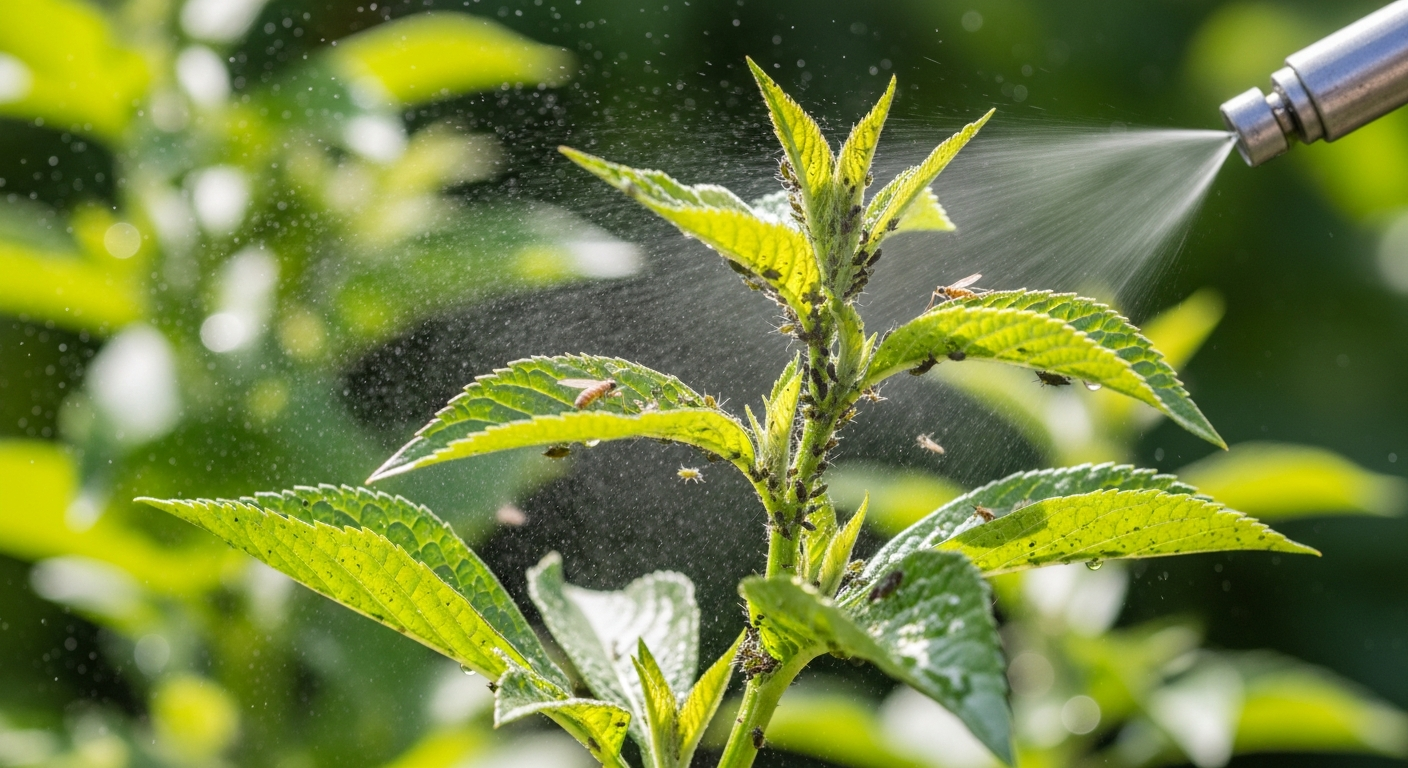
Good spray coverage is one key to successfully controlling pests with insecticidal oils. Insecticidal oils must come into direct contact with insects in order to smother them.
The following techniques will help you achieve good spray coverage:
- Spray the top and bottom surfaces of leaves
- Pay particular attention to areas where pests hide (i.e., along stems and leaf joints)
- Use fine mist spray nozzles to achieve even coverage
- Mix the insecticidal oil solution before spraying, and continue mixing while spraying the entire plant area
Using insecticidal soap in conjunction with insecticidal oils helps the insecticidal oil solution spread out on the plant surfaces and stay in contact with pests longer.

Best Timing and Weather Conditions
The efficacy and safety of using insecticidal oils are greatly influenced by the timing of application.
Best conditions for applying insecticidal oils:
- Apply early in morning or late evening
- Moderate temperatures between 15°C – 30°C
- Low winds
- Sufficiently dry, with no rain forecasted
Avoid applying insecticidal oils:
- Plants are under heat stress
- Extreme high or very low temperature conditions exist
- During direct solar exposure at midday
Using proper timing will greatly reduce the chances of leaf burn and keep the oils active on plant surfaces for a longer period of time.
Dosage, Dilution, and Frequency Guidelines
Getting the right amount of diluent (water) used to dilute your Insecticidal Soap is very important to prevent injuring plants and ensure good pest management.
General Recommendations for Dilution:
- Always use the proper amount of Oil Concentration.
- Mix the oil and water together well when mixed together at full strength.
- Add a small amount of Insecticidal Soap to the mixture to help emulsify.
Typical Application Schedule:
- Mild infestations: every 7-10 days.
- Moderate infestations: every 4-7 days until control is obtained

Common Pests Controlled by Insecticidal Oils
Gardeners or farmers battle with numerous pests in their gardens or crops, and insecticidal oils can be a highly effective method of controlling many of them. Insecticidal oils are especially effective against soft-bodied insects such as aphids, mealy bugs, spider mites and other pests that can cause damage to the leaves, stems and new growth of plants. Since insecticidal oils work by suffocating the insect, they can be a very effective method of managing garden pest populations without using high levels of chemical pesticides, making them an eco-friendly option.
Gardeners and farmers can make their own insecticidal oils at home or purchase commercially-made pesticides to use on their plants for a non-toxic way to maintain healthy plants and help to reduce the frequency of insect outbreaks in the garden, orchard or farm.
Aphids, Whiteflies, and Mites
Soft-bodied Insects are Some of the Most Commonly Used as Targets for Insecticidal Oils Because These Formulations Can Easily Coat Those Insects and Cause them to Suffocate.
Aphids
When aphids Feed on Plant Sap, They Cause Curling Leaves, Yellowing and Stunted Plant Growth.
Ways of Achieving the Same Effects of Aphids:
- Blocking their breathing pores
- Preventing them from reproducing
- Reducing Their Activity as Feeders
Whiteflies
Whiteflies Weaken Plants and Transmit Diseases Through Feeding on Leaf Sap.
Ways of Effectively Controlling Whiteflies:
- Reducing the Number of Adults Present
- Stopping the Generation of New Eggs
- Sustaining the Growth of Young Plants
Mites
Spider mites Will Discolor the Leaves of Most Plants as a Result of Feeding and form Webbing in Hot Weather.
Ways of Effectively Controlling Spider Mites:
- Greater Penetration into Mite Colonies
- Suffocation of Mite Eggs and Adults
- Reduction of Rapid Population Growth

Scale Insects and Mealybugs
Both mealybugs and scale insects possess a waxy coating on their body, which makes it difficult to control them with standard spray. Using Insecticidal Oil provides a way to penetrate through this waxy coating.
Scale Insects
Scale insects are sap-sucking insects found on the stems and leaves of plants.
Benefits of oil treatment:
- Coat and suffocate scales
- Loosen the waxy coating
- Reduce population density of infested areas over a long period of time
Mealybugs
Mealybugs create cottony masses on plants, causing them to become weak.
Benefits of using oil sprays on mealybugs:
- Break down the waxy coating on mealybugs
- Increase the ability of the spray to penetrate
- Work better for removing mealybugs when used with Insecticidal Soap
Pest Prevention in Gardens and Farms
If you regularly spray your plants with insecticidal oil, you will be able to prevent large outbreaks of insects before they happen.
Benefits from preventative measures include:
- Less frequent reoccurrences of pests in your garden or orchard
- Protection from young plants
- Reduced use of chemical insecticides
- Promotes more sustainable methods of farming

Safety Precautions and Environmental Considerations
Insecticidal oils are regarded as safer and more environmentally friendly than most synthetic pesticides; however, they must be applied responsibly to ensure the safety of your plants, your beneficial insects, and the environment in general. Proper application of insecticidal oils will help you maximize pest control while reducing the chance of causing harm to beneficial insects from exposure to the insecticide, damaging leaves caused by spraying too close to the plant when applying insecticidal oils, and improper handling of insecticidal oils.
If you are using commercially available insecticidal oils or making your own insecticidal oils at home, following all safety recommendations will result in having healthier plants and carrying out sustainable pest management practices.
Protecting Pollinators During Application
Pollinators including bees and butterflies are essential to crop production and balance within an ecosystem. Even though insecticidal oils are typically less harmful to beneficial insects than chemical pesticides, improper application does put beneficial insects at risk.
Some best practices for protecting pollinators will include:
- Never spray directly onto flowers;
- Always spray in early morning or late evening when bees are least active;
- Only target infested areas of the plants;
- Avoid excessive spraying of plants when the plants are in the flowering stage.
When applying insecticidal soap, dilution of the product in accordance with the manufacturer’s instructions will improve targeted coverage of the pests being treated while reducing the risk of unnecessary exposure to pollinators.

Preventing Plant Damage and Oil Burn
Plant damage similar to leaf spotting, discoloration, or oil burn can occur as a result of the improper use of insecticidal oils in unfavorable weather conditions.
Typical causes of plant damage include:
- High temperatures when applying oils
- Over-concentration of the mixture
- Spraying on drought-stressed plants
- Over-frequent applications of the product
Prevention tips include:
- Test a small area first.
- Dilute properly; use manufacturer's suggested dilution rates.
- Avoid application of products during hot afternoons.
- Water plants well before treating them.
Individuals making their insecticidal oils, should be extra cautious about dilution; it is the leading cause of unintentional injury to a plant.
Safe Storage and Handling Practices
The proper storage and handling of insecticidal oils will preserve effectiveness of the product and help keep households safe.
General safety guidelines
- Always store in a cool, dry location away from direct sunlight
- Always keep out of reach of children and pets
- Always wear gloves while mixing and spraying products
- Always thoroughly clean any application equipment after use with the product.

FAQs
Q1. What are Insecticidal Oils?
Insecticidal Oils are oil-based pest control solutions that kill insects by coating and suffocating them naturally.
Q2. How to make insecticidal oils at home?
You can make homemade sprays by mixing neem oil or vegetable oil with water and a small amount of Insecticidal Soap.
Q3. Are Insecticidal Oils safe for plants?
Yes, Insecticidal Oils are generally safe when properly diluted and applied under suitable weather conditions.
Q4. What pests can Insecticidal Oils control?
They effectively control aphids, mites, whiteflies, mealybugs, and scale insects on plants.
Q5. Can Insecticidal Soap be used with oils?
Yes, Insecticidal Soap is often combined with oils to improve spray coverage and pest control effectiveness.
Conclusion: Embrace Insecticidal Oils for a Safer, Greener Pest Management Strategy
Insecticidal oils are a safe and eco-friendly way to manage your pests, making them a good choice as an alternative to chemical products. Insecticidal oils work on the physical properties of the oil, not on harsh chemical compounds; therefore, these products will help you build sustainable food webs through sustainable gardening and farming practices.
Additionally, insecticidal oils come in various forms (such as horticultural oils and homemade insecticides) providing you with the necessary flexibility and availability to manage the usual suspects in your garden. Using insecticidal oils in combination with other pest management chemicals (such as beneficial insects, soil improvements, and organic fertilizers) will enable you to reduce the residue from other chemicals and help to limit the environmental pollution caused by agricultural chemicals. The ability to use insecticidal oils with beneficial insects, as well as improve soil quality, supports the health and progression of your plant's growth and longevity.
By learning how to create and use insecticidal oils as part of your gardening routine, you will create a healthy environment for growing food while also contributing to the preservation of natural resources.