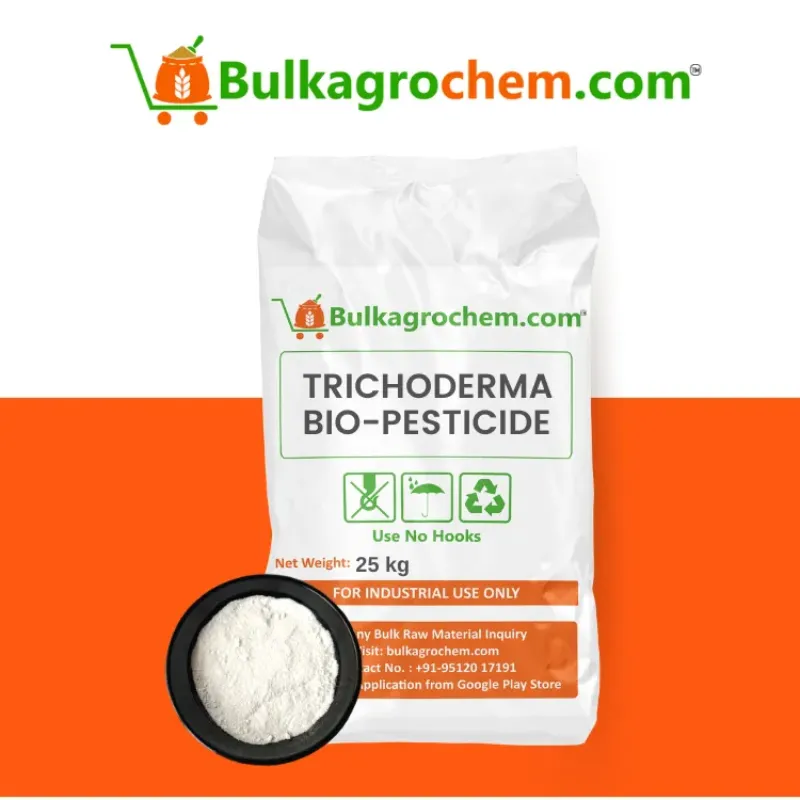
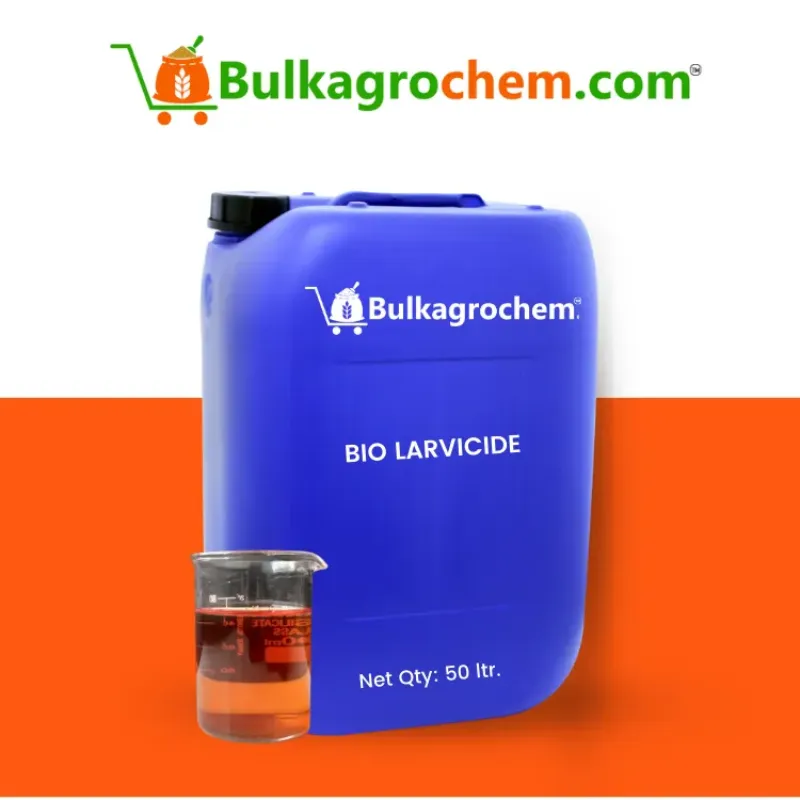
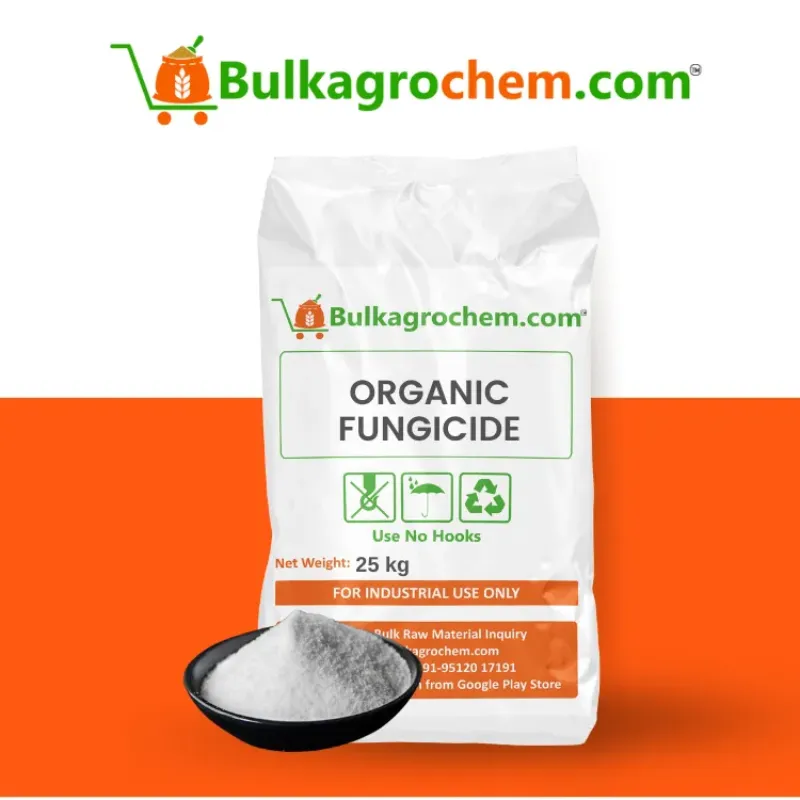
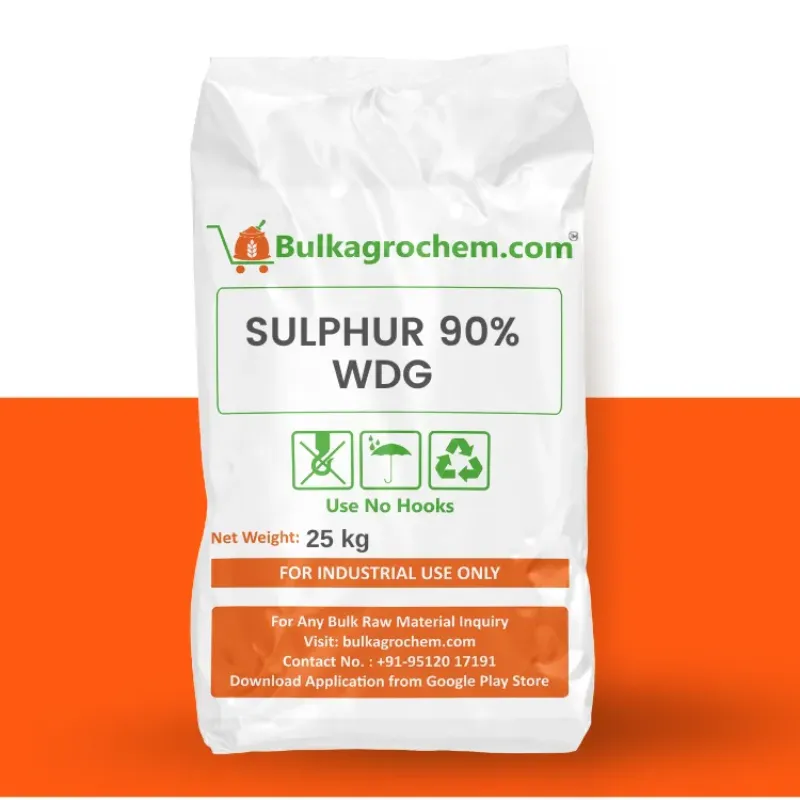
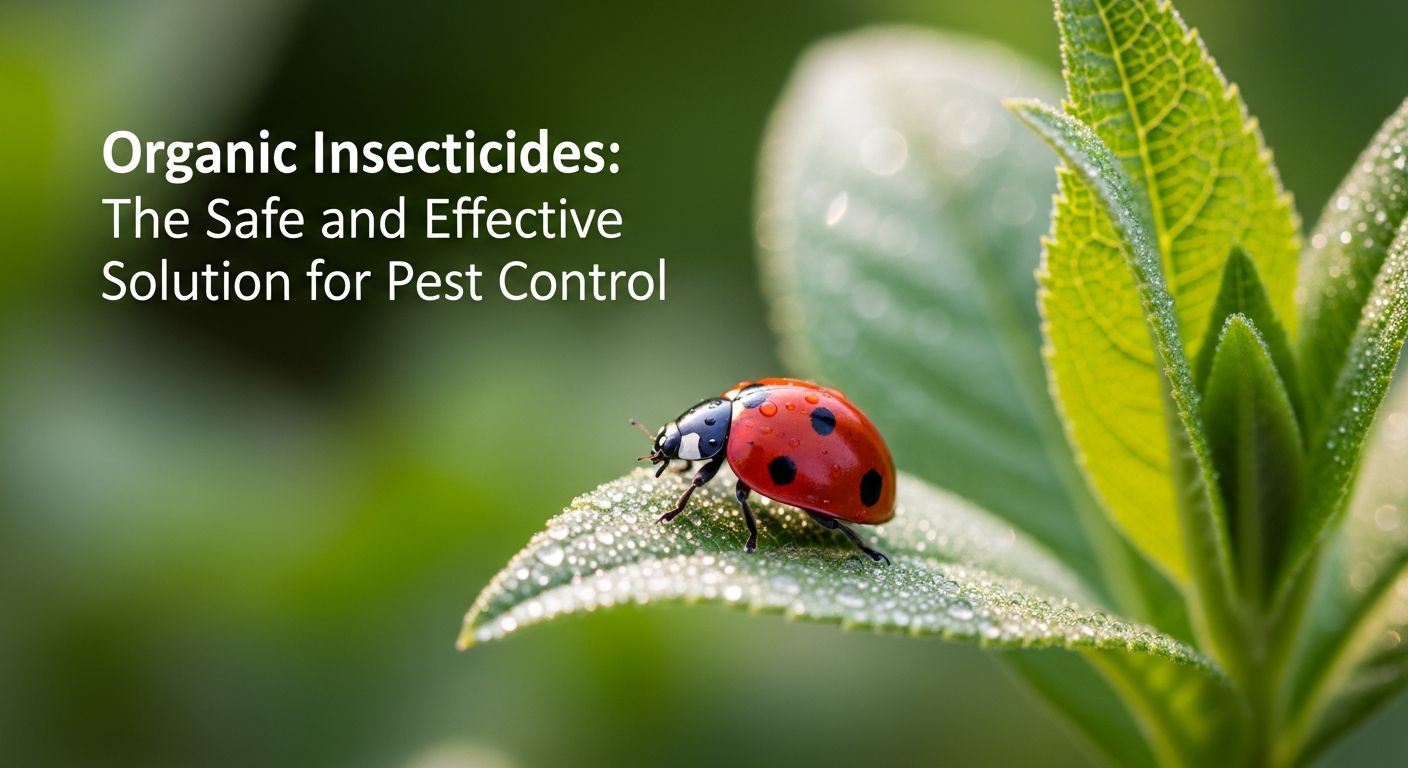
Natural insecticides are a form of plant protection used to keep plants healthy (and plants protected) from damage or disease without resorting to the use of chemical products that could harm them.
They are produced using natural materials such as plant extracts, beneficial soil microorganisms, minerals, and synthetic materials (petroleum-based) to provide a means of pest and disease control while maintaining and enhancing soil and crop health.
Natural insecticides are often gentle but still kill target pests and/or disease-causing organisms. Thus, they find widespread acceptance in all areas of commercial agriculture and home gardening; furthermore, they are particularly common in organic gardening because they provide alternative methods to produce safe and healthy food with as little negative impact on the environment as possible.
The range of natural insecticides is extensive, including, for example, sprays based on: - neem oil, - microbial products, and - other natural products (e.g., diatomaceous earth) are becoming increasingly popular with consumers due to concerns about the ecological consequences of traditional insecticides.
Understanding Organic Insecticides: What They Are and How They Work
Natural insecticides are products created from a variety of organic materials, including beneficial microorganisms, minerals, or any other naturally derived substances. Natural insecticides are widely used as pest control agents and are generally good for the environment because they help to reduce pesticide use on crops, soil, and beneficial insect populations; therefore, natural insecticides are a natural, safe, and sustainable alternative to synthetic insecticides for use on crops, soil, and beneficial insect populations.
Definition of Organic Insecticides
Pest management products that originate from natural sources, such as plants, bacteria, fungi or minerals, are referred to as organic insecticides and are used to manage harmful insects while working with nature's system of agriculture (i.e., maintaining ecological balance).
Because they do not leave behind significant amounts of synthetic chemical residue after application, organic insecticide products are ideal for crop and garden applications.
Important Facts:
- Organic insecticide products are made from natural material
- All organic insecticides may be used in organic farming systems
- Organic insecticide products generally have less impact on our environment than synthetic insecticide products
- Organic insecticide products are a safe option to use in home gardens and Jardin Edible crop systems

How Organic Insecticides Work
Organic insecticides can protect from insect pests in various ways. Some of the ways they achieve this include repelling pests, stopping the pest from feeding on the host, interrupting immature insect growth cycles and reproduction, and infecting the insect pest via an unfamiliar microbe.
Targeting specific insects, organic insecticides tend to be less toxic than synthetic insecticides. In general, beneficial insects are affected less than synthetic insecticides.
Summary:
- Insect repellent leaves insect unbothered
- Stops insect from consuming prey item(s)
- Interferes with life cycle (larvae) and reproduction
- Pests infected by harmful microorganisms
- Dehydration of soft-bodied insects on contact with organic insecticides
Role in Sustainable Pest Management
The future of agriculture depends on the use of organic insecticides. Organic insecticides support sustainable agriculture by reducing farmers' reliance on chemicals and improving the environment for wildlife, soil, and water systems.
In order to succeed, combination with crop rotation, monitoring, and biological pest management techniques is highly encouraged.
List of Benefits:
- Helps to Support Integrated Pest Management
- Reduces harmful residue on crops
- Can help protect pollinators with responsible use
- Enhances/Sustains the Health of Soil and Ecosystems
- Ideal for cultivating eco-friendly crops
Key Benefits of Using Organic Insecticides in Your Garden or Farm
Farmers and gardeners are turning more toward organic insecticides in order to maintain effective pest control while also being environmentally friendly. Organic insecticides are derived from natural ingredients used for crops, flowers, vegetables and fruit plants—and even support growing a healthier ecosystem.
Compared to synthetic insecticides, organic insecticides are a safer and more sustainable alternative to ensure long-term viability of farming practices.
Eco-Friendly and Non-Toxic Pest Control
The primary benefit to using organic pesticides is that they are more environmentally friendly. They will decompose naturally and will leave far less harmful residue in the environment. Organic insecticides have been shown to be very effective in controlling pests in kitchen gardens or on farms that produce food.
Important Features:
- Made from natural plant, mineral, or microbial sources
- Lower risk of toxic buildup in the soil and groundwater
- Safe to be around (people & pets) when used according to label instructions
- Especially effective on vegetable, fruit, and herb crops.

Protection of Beneficial Insects and Pollinators
A number of organic insecticides will be made available this year based on a variety of materials. For example, many organic insecticides will be developed with less harmful effects on pollinators and other beneficial insects. This protection of these beneficial insect species will lead to a more natural pesticide balance that will lead to an increase in crop yield.
Some of the key characteristics of these organic insecticides include:
- Protection of pollinating insects such as bees and butterflies
- Reduced dangers to ladybugs and other natural enemies of pests
- Augments pollination and fruit set
- Encouragement of biodiversity within agricultural fields and home gardens
Improved Soil Health and Crop Safety
Chemical insecticides are known to change the biological makeup of soil after many uses of them for pest control. Organic methods of controlling insects help produce healthier soils and less hazardous foods. This makes organic insecticides valuable for sustainable agricultural practices and high-quality food markets.
Key Benefits:
- Helps maintain soil microorganisms and fertility
- Less pesticide residue on harvested products
- Promotes a healthier growing environment for plants
- Good alternative for producing residue sensitive crops and export
Top Types of Organic Insecticides and How They Work
Farmers, gardeners, and home gardeners can effectively manage pests using organic insecticides derived from plants, earth-based minerals, or helpful microorganisms. Organic insecticides are effective products in controlling insect pests and reducing the effects of pest control on the environment.
These products perform very well as organic insecticides used to protect plants, and they will support agricultural practices that are safer and sustainable.
Neem Oil, Pyrethrin, and Botanical Extracts
Botanical insecticides are plant-derived pesticides with various modes of action (repelling/feeding disruption/quick killing). They are widely used in permaculture for both agriculture and horticulture.
Key Points:
- Neem Oil is an insect growth and feeding disruptor
- Pyrethrin produces rapid knock-down of soft-bodied insect pests
- Garlic, chilli and citrus extracts repel insects
- Can be used on vegetables, flowering plants and fruit trees

Diatomaceous Earth and Insecticidal Soaps
Soap and mineral-based insecticidal soaps can kill by breaking or damaging the pest's exoskeleton, rather than using a chemical to disrupt important functions. Insecticidal soaps or insecticidal soaps are effective for controlling insect populations in home gardens, as well as for treating soft-bodied insect infestations.
Key Points Include:
- Diatomaceous soil can destroy the exoskeletons of insects.
- Insecticidal soaps are able to disrupt the cell membranes of the insect.
- Aphids, spider mites, white flies and mealy bugs are all susceptible.
- Leave little or no residue on the plant, and are easy to use.
Microbial and Bio-Insecticides
Microbial insecticides utilize naturally derived bacterium, fungus, or virus to manage specific insect pest populations, thus providing a selective and environmentally sustainable method by which to reduce insect populations on food-producing crops. These are highly effective organic insecticide sources and are commonly used in contemporary organic agricultural operations.
Main Points for Using Microbial Insecticides:
- Bt insecticides are effective against caterpillars and larval stages
- Fungi (beneficial) act as sap sucking (pest) fungal pathogens
- Microbial insecticides are non-toxic for pollinators if used as directed
- Microbial insecticides are great tools for integrated pest management (IPM) on crops that are sensitive/residue tolerant.
How to Apply Organic Insecticides Effectively in Your Garden or Farm
The proper use of organic insecticides provides good control over pests, provided they are used correctly and within the proper time frame. Since many natural insecticides work primarily by causing pests to come into contact with the insecticide, by providing a repellent effect to the pest, or having little residual insecticide activity when applied, proper application of these insecticides is very important.
Therefore, whether you are applying organic insecticides onto plants grown in a home garden or crops grown on a farm, correct application will increase the probability of achieving good control of pest problems while minimizing damage to beneficial organisms.
Proper Application Techniques
Proper application leads to enhanced pest control and enhanced coverage. Many insecticides made from organic materials will be most effective when applied directly to the pest or affected leaves / surfaces of the plant. It is always essential that the product label is followed, and fresh mixtures are prepared whenever necessary.
Key Points:
- Upper and lower sides of all leaves should be sprayed
- The earlier a pest infestation is detected, the better chance of controlling it
- Clean sprayers and use appropriate nozzle settings
- Only mix the amount of product listed on the label
- Every time the product is sprayed, shake or agitate mixtures often during the spraying process.

Timing and Frequency of Treatment
The timing of natural insecticides is critical because some break down rapidly if applied during periods of high UV radiation (sun), precipitation (rain), and temperatures (heat). In some cases, multiple applications will be required to achieve the intended results. If low pest infestation levels occur, insecticides will work best if used soon thereafter.
Important Notes:
- Insecticide applications should be made early in the morning or late in the evening.
- Heavy rain or direct sunlight should be avoided after application.
- Follow instructions on product label for reapplication after rain or following emergence of a new pest infestation.
- Inspect crops regularly to determine if another treatment will be necessary.
- For best control of a pest population, treat the new hatchlings and/or other young pest stages.
Integration with IPM Strategies
The use of organic insecticides is most effective when part of an Integrated Pest Management (IPM) program. When used in conjunction, organic insecticides help to control pest populations more naturally and reduce the chances of having to use multiple applications.
A balanced system contributes to long-term health of the crop as well as sustainable agricultural practices by:
- Utilizing sticky traps and conducting field scouting
- Encouraging beneficial insects such as ladybugs, lacewings and pollinators
- Removing heavily infested plant materials
- Rotating products to avoid decreasing efficacy;
- Utilizing sanitation, crop rotation and monitoring.
Environmental and Health Advantages of Organic Insecticides
Due to their ability to efficiently control insect pests while possessing fewer negative health and environmental impacts when compared to conventional chemical insecticides, organic insecticides are growing in popularity among consumers.
Organic insecticides use natural as well as biologically derived materials, thus aiding farmers and home gardeners in decreasing their reliance upon harmful chemical insecticides.
In addition, organic insecticides are beneficial to sustainable agricultural systems, gardens in home kitchens, and food production systems that provide safe products to consumers.
Reduced Toxicity and Chemical Residues
The biggest advantage of organic insecticides versus many conventional alternatives is that organic insecticides have lower toxicity. In addition, organic insecticides degrade rapidly in the environment and leave minimal residues on plants and soil. Hence, organic insecticides are particularly appropriate for food-producing plants.
Summary:
- Lower toxicity levels to soil and crops
- Lower residues of pesticide on fruits and vegetables
- Biodegrade more quickly in the environment
- Lower risk of environmental contamination long term
Safe for Humans, Pets, and Wildlife
When used properly, many organic insect repellent products are less hazardous to agricultural employees, their children, their animals, and their neighbors than traditional synthetic products of corresponding purpose.
This is why such products are regularly used in your garden or surrounding areas. They are:
- Generally less likely to expose the user to harmful chemicals or toxins
- Safer for family gardens and near pets
- Less toxic for birds and mammals
- Suitable for growing areas with special needs.

Promoting Biodiversity and Ecosystem Balance
The use of organic insecticides is of great importance due to their positive impact on beneficial insects, pollinators, and soil organisms essential for productive agricultural systems. The presence of a diverse and healthy population of living organisms will provide pest control solutions using natural means and contribute to a healthier overall ecosystem.
Key points include:
- When applied correctly, organic insecticides will protect bees and pollinators
- Organic insecticides support ladybugs and other natural insect predators
- They will preserve soil microbes and earthworms
- Organic insecticides will encourage balanced levels of pest populations.
Challenges and Considerations When Using Organic Insecticides
As an environmentally safe alternative to traditional pesticide products, organic insecticides can fit into any farmer's overall approach to pest management; however, there are limitations that can affect their performance.
Therefore, knowing what these limitations are will enable growers to maximize the benefits of using organic botanicals to control insects in their crops. Although generally considered less toxic than traditional insecticidal materials, the use of organic pesticides is dependent on proper timing of applications; accurate monitoring of insect populations; and the proper techniques used to apply the product(s).
Shorter Residual Effect
A large percentage of organic insecticides decompose at quicker rates as a result of exposure to sun, rain, heat and other natural environmental activities. They therefore may not stay active as long as synthetic products do and have a shorter residual life. This means monitoring often is needed after applying them.
- Organic insecticides degrade more rapidly when exposed to sunlight and/or rainfall than do synthetic insecticides
- Organic insecticides will have a shorter duration of protection on plant surfaces than synthetic insecticides
- Most organic insecticides are more effective when used against newly established pest infestations
- Organic insecticides typically will need to be reapplied in a timely manner as required to be effective.

Higher Application Frequency and Cost
As many organic products have a shorter duration of effectiveness, growers may need to apply sprays more often, resulting in:
- More labour, spraying equipment and total cost for the grower
- Total spray rounds could increase
- Total labour costs will be more than traditional products
- There can be differences in product cost by formulation
- Farmers that produce crops with low residues may be rewarded in specialty markets.
In general, however, growers would expect that the benefits of using organic products (i.e., less harmful to the environment; better nutrition, etc.) will outweigh any additional costs associated with the production of organic crops.
Effectiveness Depends on Proper Use
Most effective organic insecticides work best when correctly applied at the proper stage of the insect pest, with proper coverage and under appropriate weather conditions. When improperly used they may not perform as efficiently. Good scouting and timely intervention are critical to success.
Key Points:
- Young insects and populations are more effectively controlled than older insects and higher populations.
- Correct leaf coverage is necessary for optimum effectiveness.
- Do not spray before expected rain events (flooding may wash the organic insecticides off leaf surfaces).
- Always apply at specified rates and intervals (as specified on the label) for optimum control.
- Always apply organic insecticides in concert with integrated pest management (IPM) practices to provide stronger levels of control.
FAQs
Q1-What are organic insecticides?
Organic insecticides are pest control products made from natural, plant-based, mineral, or biological ingredients.
Q2-Are organic insecticides safe for plants?
Yes, most organic insecticides are safe for plants when used at the recommended dose and timing.
Q3-How effective are organic insecticides compared to chemical insecticides?
They can be highly effective when applied correctly, though they may need more frequent applications than chemical insecticides.
Q4-What are common examples of organic insecticides?
Common examples include neem oil, pyrethrin, insecticidal soap, diatomaceous earth, and Bt products.
Q5-Can organic insecticides be used in home gardens?
Yes, organic insecticides are widely used in home gardens because they are safer and eco-friendly.
H2-Conclusion: Make the Switch to Organic Insecticides for Healthier Plants and a Greener Planet Today
Choosing organic pesticides is an intelligent decision towards growing healthier crops and producing food in safer ways while preserving the soil for the long term. Unlike many conventional pesticides, organic pesticides can manage pests as well as reduce the amount of harmful chemicals left on fruits, vegetables, and field crops. Organic pesticides provide additional support to the plants by strengthening the root system, providing a balanced biology within the soil, and promoting cleaner farming practices.
For farmers, gardeners, and home growers, organic insecticides for plants provide reliable pest control, which will also help to preserve beneficial insects, such as bees, ladybugs, and other pollinators. Along with good monitoring and correct application timing, organic pesticides will result in excellent outcomes.
Investing in organic insecticides today will result in a green future for agriculture and for the environment. Using organic insecticides will help growers protect plant health, improve the quality of the crops, and help create a safer world for future generations.