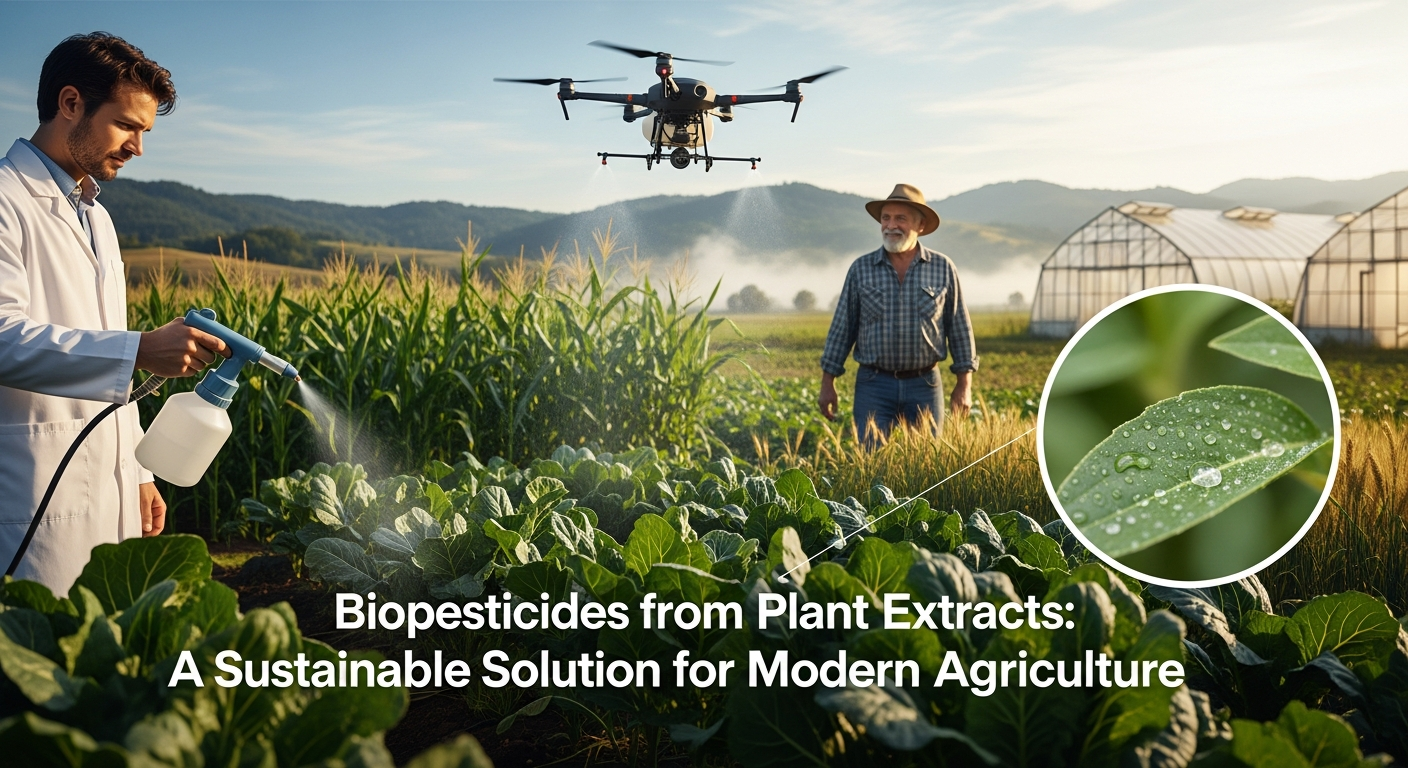
Plant based biopesticides are natural crop protection elements that have been utilized in agriculture for hundreds of years, as they come from plant materials such as; herbs, seeds, leaves, flowers, and many other botanical sources.
Plant based biopesticides contain components that naturally deter pests, minimize infestations, and promote increased health in the growth of crops without negatively impacting the environment.
Because biopesticides are safe, biodegradable, and leave minimal residue, they are a great option for any farmer wanting to implement sustainable and environmentally conscious pest management techniques.
Plant based biopesticides are continually making a positive impact on the agriculture industry, with products such as neem oil, garlic, pepper, and essential oils for plant based pest control.
Understanding Biopesticides: What Are They and How Do Plant Extracts Play a Role?
Biopesticide is a group of natural products that are made from biological sources like plants, micro-organisms, minerals and/or naturally occurring compounds. Biopesticides are often used in sustainable agriculture to control pests with a significantly lower environmental impact than most synthetic chemicals. Biopesticides made from plant-derived extracts tend to be the most widely accepted biopesticide products because they are biodegradable, do not leave harmful residues, and are compatible with current agricultural practices.
Biopesticides Definition and Key Concepts
Biopesticides are products derived from biological or natural resources used for pest control that can help manage the population of insects, fungi, or mites while promoting healthy soils and crops.
The key features of biopesticides are:
- They are derived from plants, microbes, minerals, or natural compounds
- They have less of a risk of leaving residual chemical pesticide levels than most chemical pesticides have
- They usually have targeted action against specific pest species, and they do not harm the environment
- They can be used in any integrated or organic farming system
- They work towards supporting the sustainability of agricultural production

Role of Plant Extracts in Pest Management
Botanical biopesticides use natural ingredients in the formulation of plant extracts to provide repelling qualities against pests; change or interfere with their feeding habits; disrupt their growth and/or reproductive cycles.
Typical Uses Are As Follows:
- To repel both chewing and sucking type of insects
- To limit egg laying and larval stages of growth
- To break up feeding cycles
- To lower the amount and/or number of insects in your area
- To manage insect pests more effectively when rotated properly
Common Sources Include:
- Neem
- Garlic
- Chilli
- Citronella
- Clove and other essential oils
Why Choose Biopesticides from Plant Extracts?
The growing trend among farmers is to use biopesticides made from plant-based products to help meet their production objectives in a more profitable manner as well as in a more sustainable fashion.
Great Benefits Of Using Biopesticides Are:
- Lower Residues Of Chemicals On Produce
- Safer For Pollinators And Beneficial Insects When Used Incorrectly
- Typically Have Shorter Harvest Interval Periods Than Chemical Pesticides
- Assists Organic And Export Farming
- Can Be Utilized With Other Biopesticides And Other Integrated Pest Management Tools
Key Benefits of Using Biopesticides from Plant Extracts in Crop Protection
As the demand for safe food and sustainable farming continues to grow, the use of biopesticides derived from plant extracts is on the rise in crop protection programs. These naturally occurring substances are effective for managing pests through lessening the environmental burden associated with excessive use of chemicals.
Their botanical origin makes them a good fit for current Integrated Pest Management (IPM), farming practices that emphasize reduced residues, and organic growing methods.
Environmentally Safe and Biodegradable Solutions
Biopesticides are derived from plants and are advantageous because they’re environmentally safe. Generally speaking, many of these plant-based solutions will naturally decompose back into the environment, leaving little to no impact on our environment.
Key Benefits:
- They’re biodegradable and naturally break down
- They are less likely to degrade soil or contaminate ground or surface waters over extended periods of time
- They can also be used in sustainable agricultural systems
- They have a lower negative effect on adjacent ecosystems
- They can be used with organic cropping systems
Reduced Chemical Residues on Crops
Consumers are looking for cleaner, safer products, and biopesticides made from natural plant materials can help farmers meet consumer needs.
Benefits of using biopesticides include:
- Reduce the amount of chemical residues left on harvested crops
- Improve usability for fresh fruits and vegetables
- Meet export-quality requirements
- Assist in making food safer to eat
- Non-agricultural pesticides; typically used in non-agriculture crops; facilitate more rapid availability to consumers.
Protection of Beneficial Insects and Biodiversity
Healthy farming is also reliant upon pollinators, predators and soil life. Biopesticides from plant extracts, when used correctly, can enhance biodiversity.
Some of the key benefits of using biopesticides from plant extracts:
- Reduced impact on pollinators when used correctly
- Supports stability of predator species (ie: ladybug and lacewing species)
- Promotes a balanced ecosystem on the farm
- Reduces disruption of the biological control cycle
- Encourages longer-term pest balance in fields

Common Plants Used for Biopesticide Extraction and Their Pest Control Properties
Plant-derived products are the most effective target-specific biopesticides; this class of biopesticides typically consists of plant-derived chemicals that are insect-repellent, anti-feedant, or disrupt insect growth, produced from naturally protecting plants. Use of such plant-derived biopesticides has been in place for many generations in traditional agricultural systems and has been developed into modern crop protection products. Reduces the occurrence of insect pest pressure and promotes sustainable and residue-conscious agricultural systems.
The use of plant-derived biopesticides is growing because they are an effective natural management alternative for insects, mites, and some pathogens, with the same flexibility and adaptability to IPM-based and organic farming systems. Examples of plant-derived biopesticides include neem oil, and essential oils.
Neem-Based Biopesticides and Their Uses
Biopesticides made from plant extracts have been made from neem as one of many resources because it has a great ability to manage pests.
Some key uses of neem include:
- Controlling sucking or chewing-type insects
- Diminishing the feeding of pests
- Interrupting the cycles of molting (changing from immature to adult stage) and reproduction of insects.
- This product is utilized in many different crops including vegetables, tree fruits, pulses and row crops.
- Assisting in the management of insect resistant strains of pests.

Pyrethrum, Garlic, and Chili Extracts
Many of the most commonly used plants can be made into highly effective biopesticides to help protect crops.
There Are Multiple Benefits to Using Natural Plant Biopesticides:
- Pyrethrum works well for knocking insects down quickly
- Garlic Extracts can be used as a repellant and to disrupt the odor of insects
- Chili extract can be used to deter insects from eating the plant or harming it.
- Useful for using in vegetable gardens and on larger scale commercial farms.
- Can be used alongside other biopesticides and insecticides when rotating methods.
Essential Oils and Botanical Repellents
Biopesticides derived from plant extracts are becoming more and more common due to their natural fragrance and protective qualities.
Commonly used oils are:
- Citronella oil
- Clove oil
- Peppermint oil
- Eucalyptus oil
- Lemongrass oil
Some Advantages Are:
- Insects are naturally repelled
- Lower residual levels
- Easier to handle than any synthetic or chemical product
- Effective against pests for use on protected horticulture and specialty crops
- Can be used in preventative pest management
The Process of Producing Biopesticides from Plant Extracts
Choosing plants which contain naturally occurring compounds which protect crops from insects, mites, fungi or other kinds of pests is the starting point for producing biopesticides from plant extracts.
Leaves, seeds, bark and root (as well flower and/or essential oil materials) must be properly processed in order to obtain effective active ingredients from the source plant (which will become a reliable agricultural product). This method relies on traditional knowledge of plants and combines this with current manufacturing standards.
Plant Extraction Techniques and Methods
The process of producing biopesticides begins with the extraction of plant materials, and involves the separation of active substances (chemical compounds) from plant materials.
Some of the common extraction processes used to separate these active substances from the plant material are:
- Cold-pressed oils and seed extracts
- Water extraction of natural plant concentrates
- Solvent extraction of targeted active compounds
- Steam distillation of essential oils
- Grinded dry (powdered) plant materials

Formulation and Product Development
Once the extraction process is complete, the raw botanicals are formulated into stable and usable products for farms.
The following are the essential development phases:
- Combination of extracts with carriers/emulsifiers
- Improvement of shelf-life and stability in storage
- Standardization of level of active ingredient in all products
- Development of products for liquid, powder, granule and spray formulations
- Testing for field performance and crop safety
Scalable and Sustainable Production Methods
Due to the high demand for supplies to meet agricultural needs on an industrial scale, manufacturers of biopesticides derived from botanical sources are developing large-volume production systems.
Sustainable production practices include:
- Contract farming of raw plant materials
- Renewable use of plant material
- Recycling plant material into compost or biomass
- Energy efficient extraction of plant materials
- Environmentally-friendly packaging and shipping methods.
How to Prepare and Apply Plant Extract-Based Biopesticides Effectively
Using plant-derived biopesticides is an effective method of controlling insect pests when they are prepared appropriately, diluted appropriately, applied at the right time, and when good field practices are followed throughout the process.
For example, when high-quality raw materials are extracted into botanic solutions and applied to a crop at the correct growth stage, they can be a useful means of controlling insect pests. Farmers utilize both commercial products and homemade products as part of their sustainable agricultural pest management program.
DIY Preparation of Botanical Biopesticides
Farm-produced biopesticides can be made from the plant materials of commonly accessible plants like neem trees, garlic, chili peppers and many types of herbs.
The basic steps to preparing these biopesticides are as follows:
- Collect fresh, healthy plant material
- Crushed or ground up whatever type (leaves, seeds or bulbs) of plant that was collected
- Soak crushed or ground-up plant material in clean water to extract oils
- Use a cloth or fine mesh to filter the liquid
- if necessary, add mild soap/sticker before spraying
- Apply the solution to your plants as soon as you make them.
Application Methods and Dosage Guidelines
By using the correct spraying methods, biopesticides will have improved performance in the field.
The following key application methods can be used when applying biopesticides:
- foliar spray for leaf pests;
- soil drench for problems in the root zone;
- spot spraying of affected areas;
- repeated preventive sprays during the pest season;
- use clean water and the appropriate nozzle settings.
Dosage guidelines can generally be described as follows:
- follow the label directions when using any commercial biopesticide products;
- when making homemade biopesticides always use the mildest dilution;
- test any new recipe or application method on a small area before applying it over your entire crop;
- repeat applications according to pest pressure and crop development stage.
Best Practices for Maximum Effectiveness
Proper field management is a crucial component for producing a quality product. This will help to achieve the desired results more effectively.
Best Practices:
- Spray early in the morning and late in the evening.
- Be sure to apply to all leaf surfaces.
- Use homemade products that are freshly made.
- Regularly monitor for pests prior to an outbreak.
- Rotate/alternately apply to other biopesticide or IPM applications.
- Do not apply prior to heavy rain events.

Challenges and Limitations in Using Biopesticides from Plant Extracts
Although botanicals have many beneficial environmental and crop safety qualities, they pose some challenges and require farmers or manufacturers to manage those challenges properly. Botanical products may require different storage requirements, require multiple applications, and require appropriate quality control procedures as opposed to the way chemical pesticides are used to achieve more uniform results within the field. An understanding of these limitations will aid growers in using these products more effectively.
With global use of botanicals increasing, it will be dependent on the quality of the botanical products that are available as well as the grower being aware of how to use the products properly in addition to having good farm practices. With advances in technology and training, many of the limitations of current biopesticides can be significantly reduced.
Shelf Life and Storage Issues
Many biopesticides made from plant extracts contain materials that can break down more quickly than synthetic compounds if not stored correctly.
There are a number of different things that cause problems with storage, including:
- Some formulations don't last as long as others
- They can be affected by heat, light and moisture
- They become less effective when they're stored for a long time
- They need to be stored in a sealed and cool place
- Home-made extracts normally need to be used immediately.

Variability in Effectiveness
Field effectiveness of biopesticides can depend on many factors, such as pest pressure, crop growth period, weather conditions, and quality of the biopesticide product itself.
Some ways that these variables might reduce the efficacy of biopesticides include:
- Differences in concentration of plant active ingredients
- Washing away spray residues due to rain
- Needing to apply multiple times because of heavy infestations
- Poor coverage of the product on the leaves of the plant being sprayed
- Variability in the performance of the home-made solutions.
Regulatory and Cost Considerations
Policy backing, approval processes and market pricing all play an integral role in the commercialization of biopesticide plant(s).
The following frictions may hinder potential growth:
- Long registration processes
- Limited market exposure
- High prices of branded products
- Few local suppliers
- Lack of on-farm training or demonstration programs

The Future of Pest Management with Plant-Based Biopesticides
Crop protection will increasingly use safer, smarter, and more sustainable methods. Biopesticides made from plant extracts play an important role in that future. There is also growing interest among farmers, researchers, and policymakers to utilize botanicals for pest control due to their effectiveness, low residues, and reduced environmental impact, and as the pressure to decrease chemical applications continues to build, plant based pest control has tremendous value.
Modern agricultural production requires products to enhance yields, protect biodiversity, and provide consumers with unadulterated food. Consequently, biopesticides from plants are becoming increasingly critical to all agricultural sectors (field crops, horticulture, organic production, export-orientated agriculture).
Advances in Botanical Biopesticide Research
Biological pesticides derived from plants are the focus of research to enhance their efficiency and durability, including their longevity on the shelf, through contemporary technology.
Some major advances include:
- A standard approach for obtaining active ingredients.
- Longer-lasting active ingredients through the use of nanotechnology and micro-encapsulation.
- Improved stability of formulations when stored.
- Improved pest control through the use of pesticides specifically designed to target the appropriate pest.
- Improved delivery methods in the field to maximize the speed of efficacy.

Integration with Integrated Pest Management
Biological pesticides have an excellent potential to be used with Integrated Pest Management (IPM) programs due to their compatibility.
Some of the primary ways biopesticides can be used in combination with IPM include:
- Pest monitoring
- Rotating between microbial and chemical control methods.
- Providing protection for beneficial insects.
- Decreasing pest resistance.
- Decreasing the amount of chemical products used in total.
Growing Demand for Biopesticides Plants Worldwide
With the increase in food safety awareness globally, the growth of organic farming, and sustainability targets worldwide, biopesticides are being adopted much faster than before in global markets.
The following are key drivers of biopesticide demand:
- Increased demand for residue-free products
- The expanding organic farming industry
- Increasingly stringent pesticide regulations
- Consumer preferences for environmentally friendly food production
- Export markets require more conducive crop input products
FAQs
Q1-What are biopesticides from plant extracts?
They are natural pest control products made from plants such as neem, garlic, chilli, and essential oils.
Q2-How do plant-based biopesticides work?
They repel pests, reduce feeding, disturb growth, or lower pest reproduction naturally.
Q3-Are biopesticides safer than chemical pesticides?
Yes, they are generally safer for humans, beneficial insects, and the environment when used properly.
Q4-Can farmers prepare plant-based biopesticides at home?
Yes, farmers can make simple botanical sprays using materials like neem, garlic, and chilli.
Q5-Are plant-based biopesticides suitable for organic farming?
Yes, many plant-based biopesticides are widely used in organic farming systems.
Conclusion: Embracing Biopesticides from Plant Extracts to Promote Sustainable Agriculture and Protect Our Ecosystem
Utilizing plant-based biopesticides represents a critical advancement towards establishing a more environmentally friendly and sustainable agricultural future. Natural solutions effectively aid farmers in decreasing chemical residues, promoting soil health, and maintaining good quality water through effective pest management. Biopesticides provide a practical balance between production and environmental responsibility as farming practices continue to evolve.
Using biopesticides helps produce more beneficial insects, increase overall biodiversity, and satisfy growing consumer demand for residue-free fruits and vegetables. Biopesticides are considered appropriately integrated with organic farming systems and Integrated Pest Management (IPM); therefore, they are valuable components of modern crop protection techniques.
When selecting biopesticide products today, you are making an investment in the health of crops and ecosystems, as well as supporting successful continuing farming operations for future generations.